DESIGNED BY RIDERS, FOR RIDERS


Horse Blanket Season: Navigating the Transition from Fly Sheets to Autumn Rugs - Cavalier SanMarco
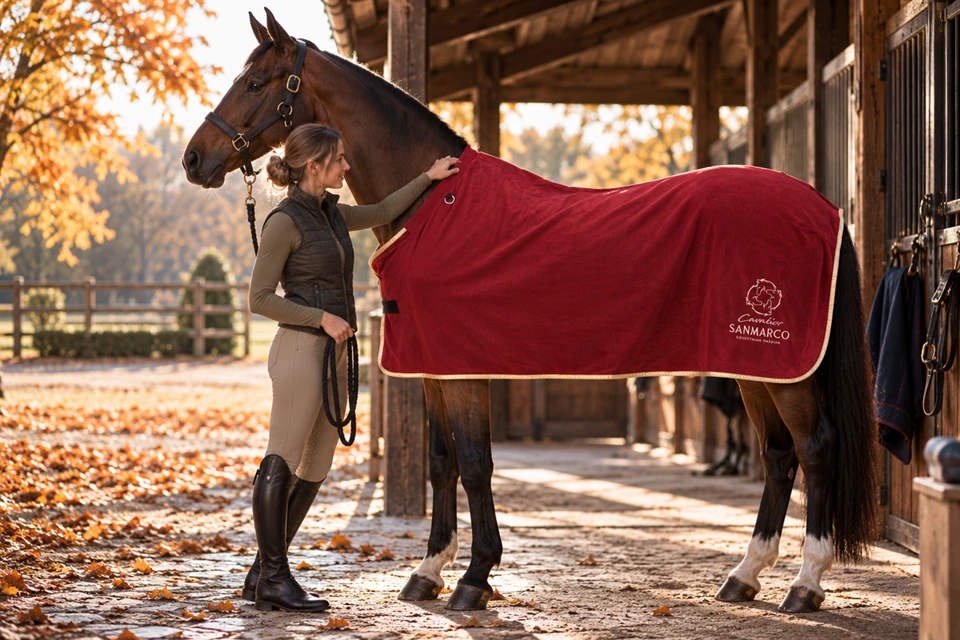
September introduces one of the most volatile shifts in equine care. While summer allows for a relatively predictable routine centered on sun and insect defense, the arrival of early autumn complicates the stable management equation. Warm, dry afternoons frequently give way to biting evening drafts, damp ground mists, and abrupt single-digit night temperatures. For horse owners, this transitional window can trigger confusion: rugging too early risks trapped moisture, sweating, and skin irritations, whereas under-blanketing leaves clipped athletes or sensitive horses vulnerable to muscle tightness and weight loss.
Navigating this seasonal bridge successfully is not about guessing; it is about establishing a responsive system. Unlike basic introductory blanket overviews, an effective autumn blanketing strategy accounts for coat changes, clipping schedules, daytime versus nighttime ambient swings, and technical textile performance. By mapping your routine through a structured blanket ladder and temperature-driven decision metrics, you can shield your horse from seasonal chills while keeping their skin dry and balanced.
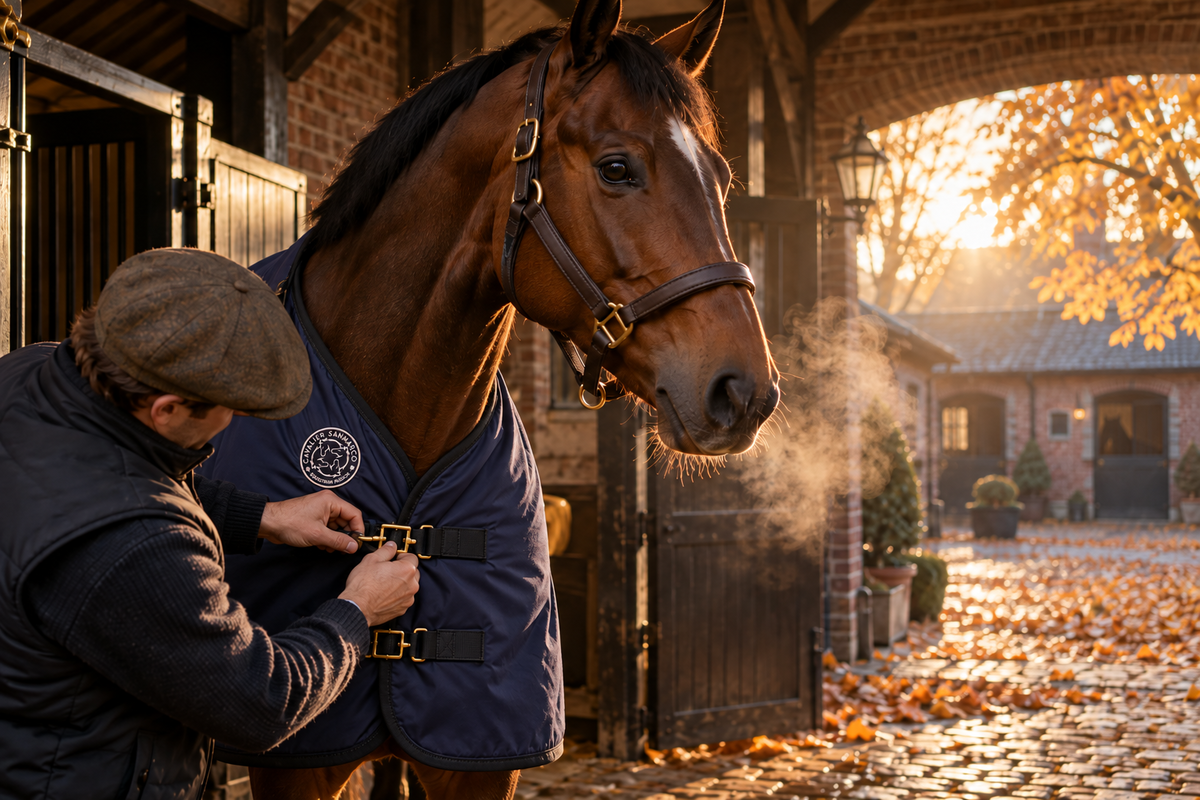
Why September Is the Critical Month for Horse Blanketing
September is the foundational month where winter coat growth is biologically triggered. Understanding what happens to your horse's system during this period is essential for choosing the right wardrobe.
Photoperiod and Natural Thermoregulation: Contrary to common belief, it is decreasing daylight (photoperiod) rather than temperature drop alone that cues a horse's brain to begin growing a winter coat. During September, horses begin producing denser piloerection-capable hair. If your competition horse will be clipped later in the season to maintain peak performance, careful early rugging prevents the coat from coming in excessively thick, preserving sleek coat condition.
The Peril of Trapped Condensation: The primary hazard of early autumn is daytime overheating followed by rapid evening cooling. A horse left in an unlined turnout or a heavy rug during a 20°C sunny afternoon will sweat beneath the fabric. When ambient temperatures plunge to 8°C after dusk, that unevaporated sweat cools against the skin, acting as a refrigeration layer that triggers back muscle cramping, colic risk, and chills.
Managing Individual Equine Metabolic Profiles: Not all horses experience autumn in the same way. A fine-skinned Thoroughbred or an older warmblood with compromised metabolic regulation will require early thermal support well before a native cob or an unclipped pony showing early coat density.
The Blanket Transition Ladder: Fly Sheet → Cooler → Fleece → Stable Rug
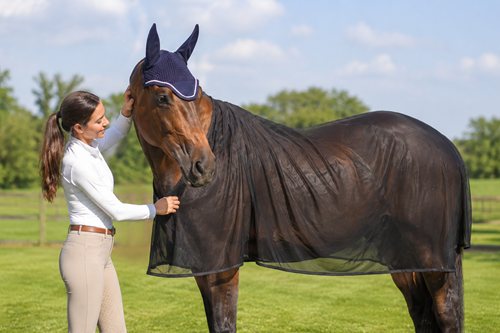
Progressing your horse's wardrobe should follow an incremental progression rather than a sudden leap from summer mesh to heavy polyfill. The "Blanket Transition Ladder" outlines this exact sequence:
- The Fly Sheet Stage (Late Summer / Early September):
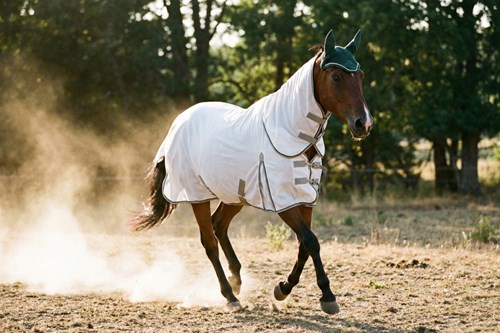
- Purpose: Insect protection and UV reflection during mild, sunny days above 18°C.
- The Shift: As night insect pressure wanes, unlined mesh sheets must be removed at dusk to avoid pressing down the horse's natural hair coat without providing thermal insulation.
- The Wicking Cooler Stage (Post-Workout Transition):
- Purpose: Rapid sweat dissipation immediately after schooling sessions.
- The Shift: Mesh coolers and dual-layer jersey coolers are indispensable in September. Throwing a cooler on while hand-walking ensures sweat evaporates without exposing warm back muscles to autumn drafts.
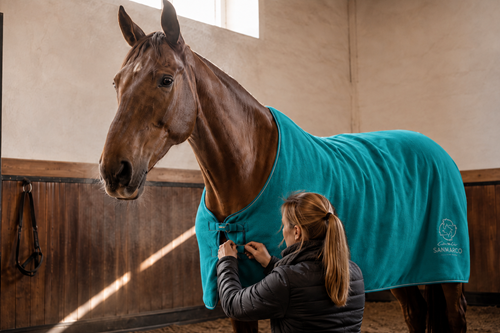
- The Fleece & Jersey Blanket Stage (The Versatile Bridge):
- Purpose: Core warmth without excessive fill; breathable transit and stable wear.
- The Shift: Premium fleece acts as a breathable insulator during 10°C–14°C nights. Our technical fleece designs—such as the Windsor and Toronto collections—feature anti-pilling, moisture-transporting fleece that keeps horses comfortable in the stall without generating static.
- The Stable Rug Stage (Structured Night Insulation):
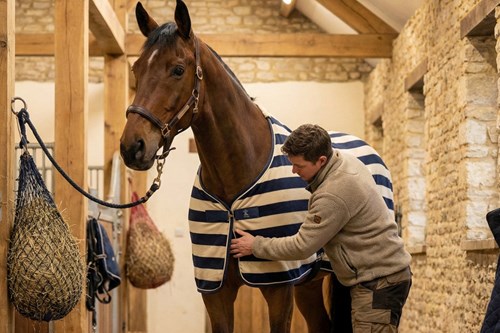
- Purpose: Consistent warmth for clipped horses or chilly autumn nights dipping below 10°C.
- The Shift: Introduction of light fill (50g to 150g) stable rugs, such as our breathable Volare light stable rug, designed with tear-resistant outer shells and smooth nylon chest linings that prevent shoulder rub.
Temperature-Based Blanketing Guide (Decision Chart)
To remove guesswork, use this practical operational decision matrix calibrated for early-to-mid autumn conditions.
| Ambient Temp Range | Clipped / Fine-Coated Horse | Unclipped / Hardier Breed | Ideal Blanket Type | Practical Scenario |
|---|---|---|---|---|
| Above 18°C | Naked or UV/Fly Sheet | Naked or UV/Fly Sheet | Fly Sheet / Mesh Sheet | Daytime turnout; mild sunny afternoons |
| 14°C to 18°C | Breathable Cooler / Light Fleece | Naked | Jersey Sheet or Light Cooler | Cool post-schooling cool-downs |
| 10°C to 14°C | 100g Light Stable Rug or Fleece | Light Fleece or Naked | Technical Fleece (e.g., Toronto) | Crisp autumn nights; breezy evening turnout |
| 5°C to 10°C | 150g–200g Stable Rug (e.g., Volare) | 50g–100g Light Stable Rug or Fleece | Medium Stable Rug or Layered Fleece | First real autumn cold snap; clipped coats |
| Below 5°C | 200g–300g Heavy Rug (e.g., Alaska) | 100g–150g Light/Medium Stable Rug | Heavy Quilted Stable Rug | Late autumn frost; chilly stable blocks |
Fleece Blankets vs. Stable Rugs: When and How to Use Each
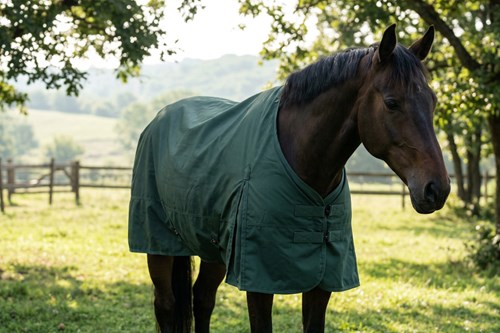
Many horse owners use fleece and stable rugs interchangeably, yet they serve distinctly different technical functions during autumn management.
Fleece Blankets: The Multi-Functional Workhorse
High-density fleece traps air within its microfiber matrix while providing open ventilation.
- Optimal Use Cases: Post-bathing dry-offs, trailering to early-morning clinics, cooling out after cross-country schooling, and light overnight use in temperate stables.
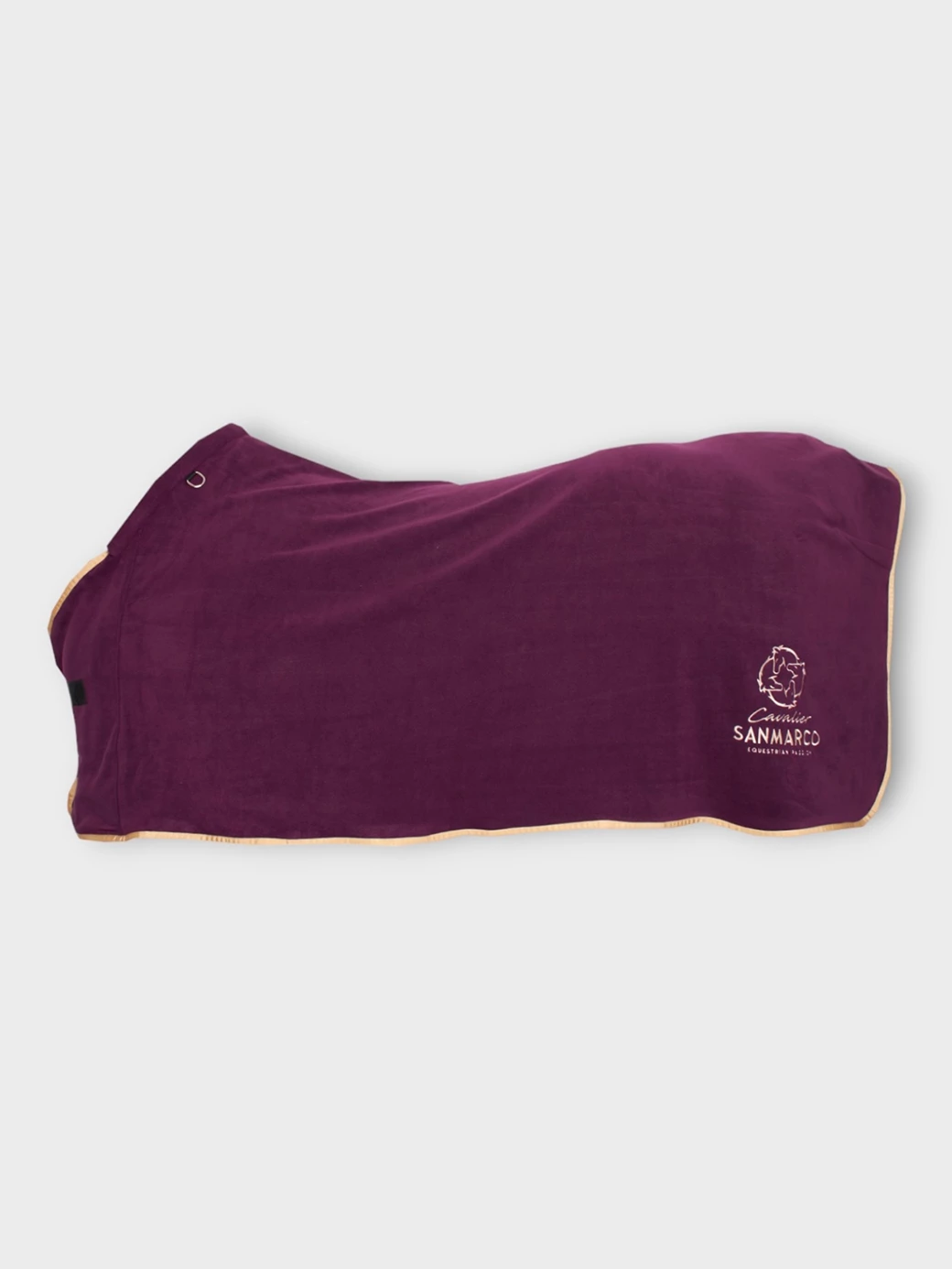
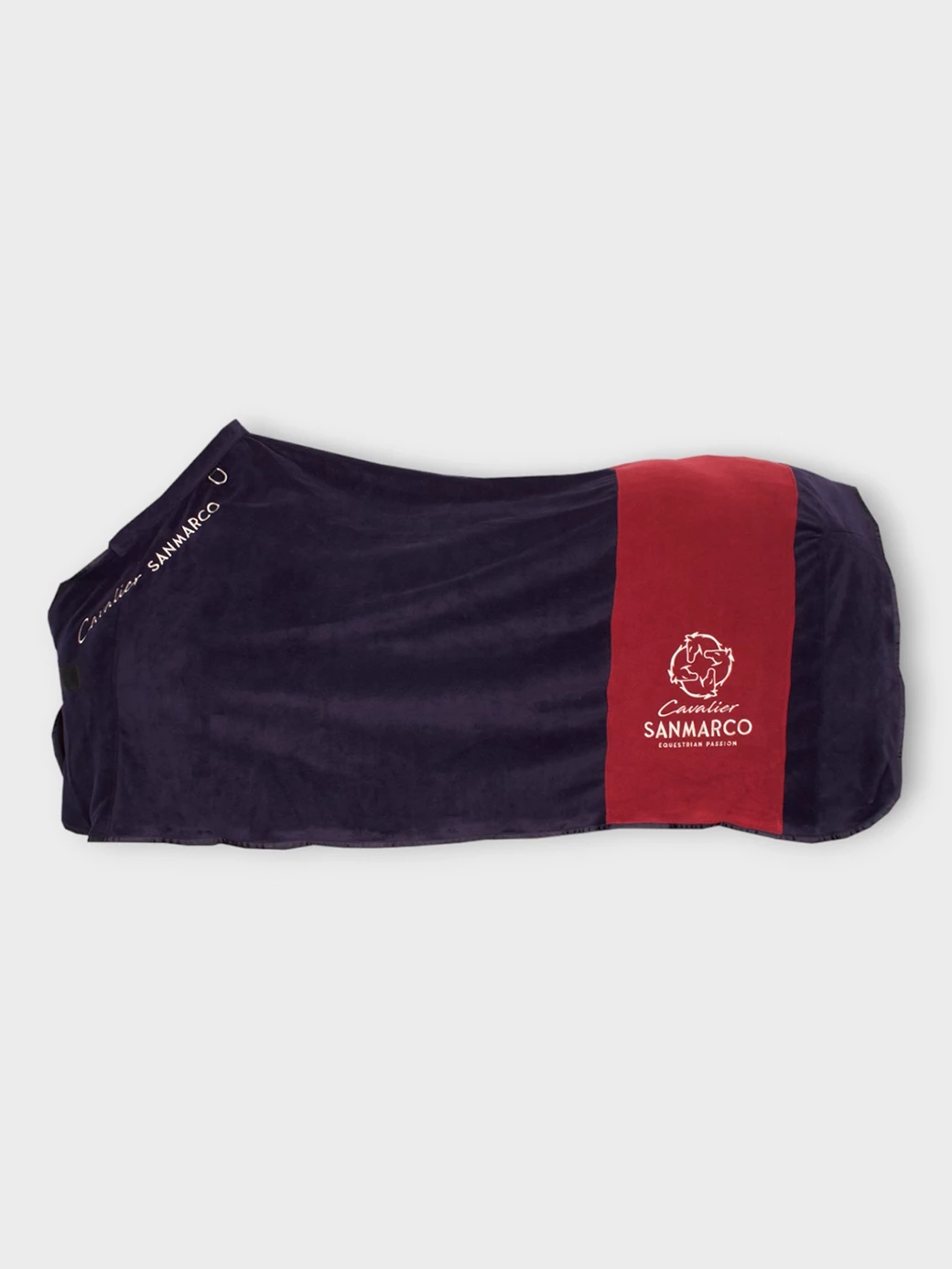
- Customization and Team Elegance: Quality fleece blankets offer an ideal canvas for custom team personalization. Our personalized fleece blankets allow owners to embroider show names, stable insignias, and coordinated piping, merging bespoke paddock chic with athletic utility.
- Limitation: Bedding like straw and shavings clings tenaciously to standard fleece, making them more labor-intensive to clean when worn overnight in deep-litter stalls.
Stable Rugs: Engineered Durability and Weight Distribution
Stable rugs feature tightly woven outer shells such as 600D to 1200D ripstop polyester that repel shavings and dust effortlessly.
- Optimal Use Cases: Dedicated overnight box rest, unheated barns, and clipped horses prone to rubbing.
- Design Architecture: Models like the Windsor stable rug and our insulated Alaska series incorporate smooth satin shoulder linings, cross surcingles, and ergonomic fleece withers padding to eliminate friction across the chest and crest.
- Weight Modularity: Stable rugs provide calibrated thermal protection (from 100g to 400g fill) without sliding or shifting as the horse lies down and rises throughout the night.
To explore precision-tailored coolers, bespoke personalized fleece, and heavy-duty stable rugs, browse our complete range of horse rugs blankets.
Storage, Washing, and Preparing Summer Blankets for Off-Season
Putting away summer sheets while unpacking autumn and winter gear requires proper textile care to avoid mold, fabric degradation, and hardware rust.
- Deep Cleaning Summer Fly Sheets:
- Remove dry mud and hair with a stiff grooming brush.
- Wash in cold or lukewarm water using a specialized, non-detergent rug wash. Avoid commercial fabric softeners, which ruin water-repellent and UV-protective coatings.
- Hardware Inspection and Repair:
- Inspect all T-bar front closures, surcingle buckles, and leg strap clips for bent metal, rust, or weak stitching.
- Lubricate metal clasps with mineral oil to prevent oxidation during winter storage.
- Sealed Off-Season Storage:
- Ensure sheets are 100% bone-dry before packing; even trace moisture creates mildew that destroys synthetic fibers.
- Store folded sheets inside breathable, zippered canvas storage bags with natural cedar blocks to deter rodents and moths.
September Horse Blanketing Checklist
Before autumn temperatures drop into the single digits, run through this practical barn checklist:
- Audit Your Fleece and Coolers: Ensure you have at least two clean, anti-static fleece or cooler blankets on hand for rotation while one is drying.
- Check Fitting Around the Withers: Test fit your stable rugs; you should easily slide two flat fingers between the rug neckline and your horse's wither when their head is lowered to eat.
- Inspect Shoulder Linings: Verify that your transition rugs (such as the Toronto or Volare) feature slick nylon or satin linings at the shoulder points to prevent friction alopecia.
- Plan the Clipping Schedule: If clipping in late September or October, have your 150g–200g stable rugs laundered, waterproofed, and ready in your locker.
- Prepare Tail Cords and Leg Straps: Check that elastic leg straps are supple and adjusted correctly so the rug stays centered without chafing the inner thighs.
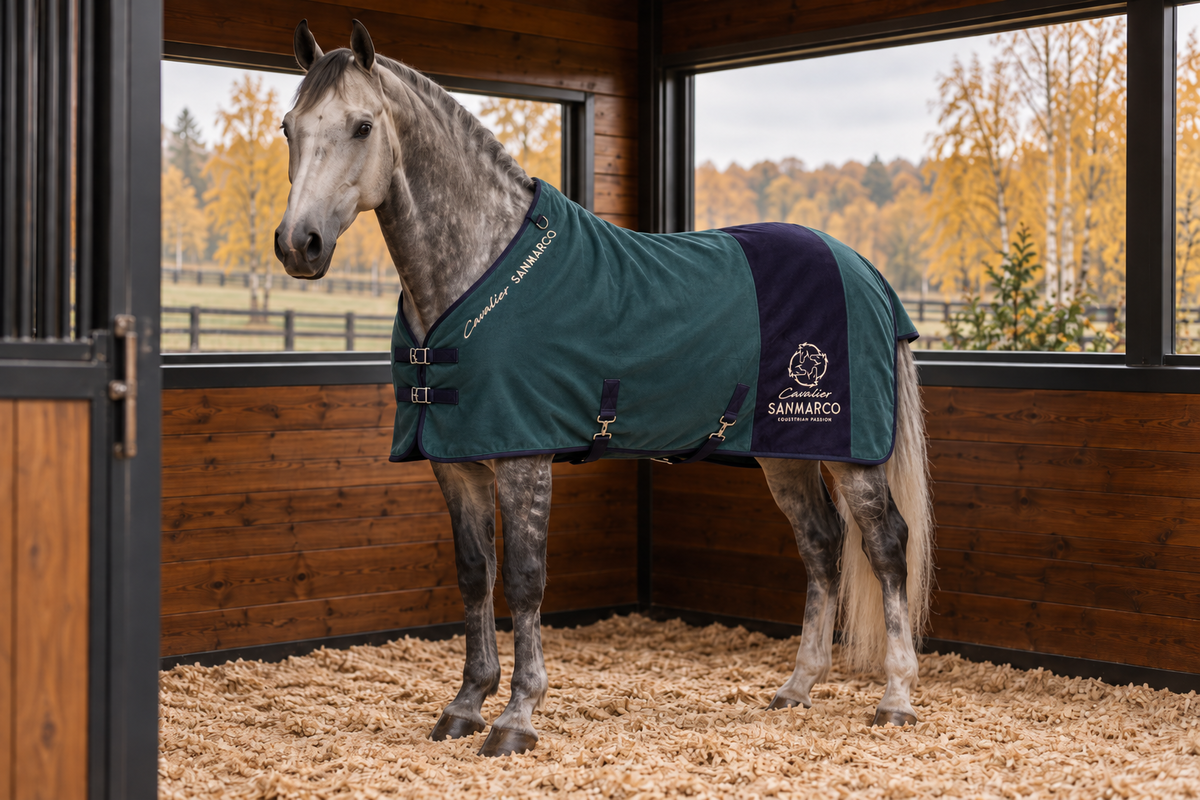
A Confident Start to the Autumn Riding Season
Mastering the autumn rugging transition gives you peace of mind that your horse remains healthy, warm, and comfortable through every weather fluctuation. When your horse is buffered against drafts without overheating, their muscles stay supple, their energy is conserved for training, and their skin stays free from irritation.
Take time this week to assess your horse's individual coat progress, stable airflow, and training schedule. By implementing a proactive, layered blanketing strategy today, you ensure a seamless, healthy transition into the cooler months ahead.
Editor’s Note: Always check under your horse’s rug twice daily during September. Place your hand flat against the horse’s shoulder and flank under the blanket; if the coat feels clammy or hot, down-rug immediately. The skin should feel comfortable, dry, and neutral.