 DESIGNED BY RIDERS, FOR RIDERS
Equestrian Riding Socks Guide

Achieving peak athletic performance and ensuring absolute leg comfort in the saddle during the warm season relies heavily on the quality of your foundational base layers. As summer temperatures climb, choosing the right equestrian riding socks becomes a central task for preventing skin irritation, managing excess heat, and ensuring a precise leg position against the saddle flap. Often overlooked as a minor accessory, these specialized garments are engineered to serve as a vital defensive barrier, protecting your lower legs from friction, compression strain, and high moisture levels.
Whether you are preparing for a rigorous summer clinic or heading out for a relaxed trail ride, selecting the appropriate sock density can significantly impact your daily experience in the arena. Variables such as boot tightness, breech fabric thickness, and sweat accumulation must all be considered to keep your feet dry and free of friction. Because different riding conditions require distinct structural features; summer-specific fabrics, strategic padded panels, and variable lengths are designed for precise athletic demands.
By understanding the technical construction of high-performance footwear layers and choosing horse riding socks with the right design features, you can maintain superior comfort and focus throughout your warm-weather training sessions.
Why Riding Socks Are Not Just an Afterthought
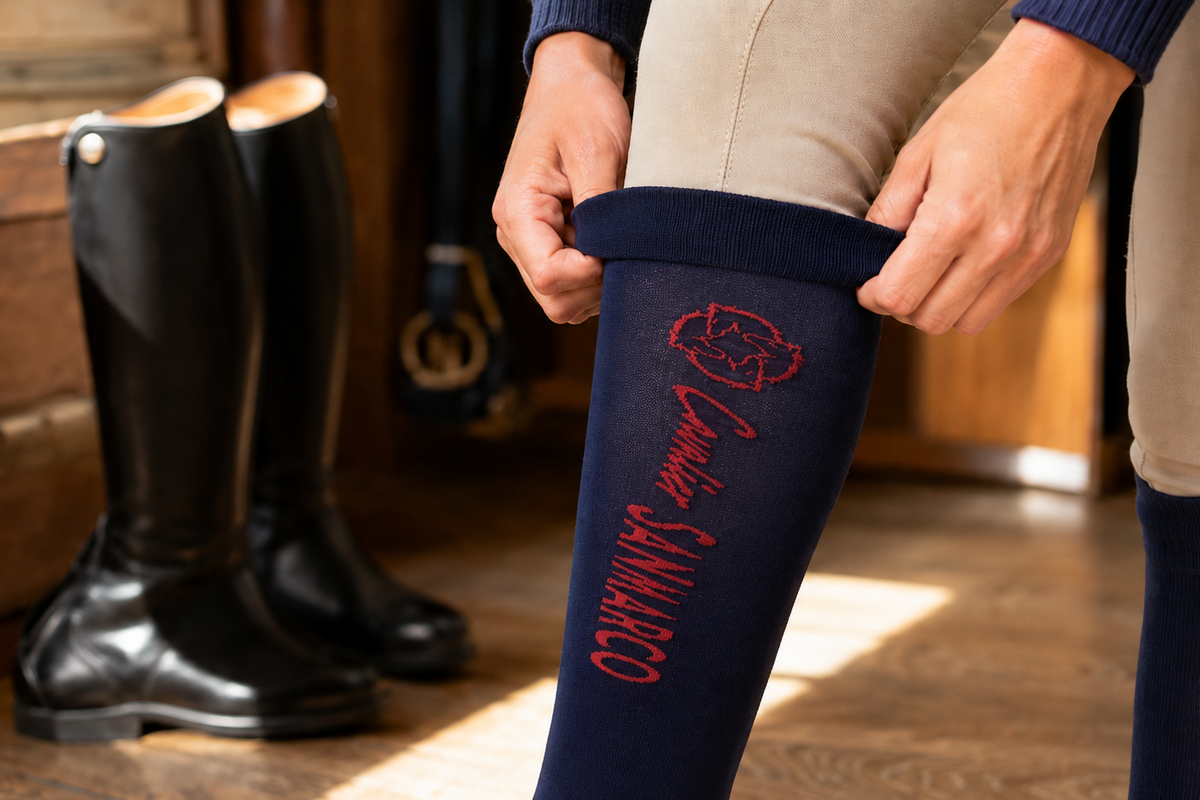
Treating your lower-leg footwear layer as a secondary detail is a common mistake that can lead to physical discomfort and compromised riding aids. When a rider is in motion, their calf and ankle press continuously against the leather of the saddle and the boot, creating high levels of mechanical friction that regular casual hosiery cannot withstand. Utilizing specialized riding socks for breeches ensures that this repetitive contact does not lead to painful skin breakdown, muscle fatigue, or shifting fabric inside the boot.
Maintenance of Leg Aid Sensitivity: A high-quality riding sock provides a thin, streamlined layer that maintains a close-contact connection between your leg and the horse's side. If a sock is too bulky or bunches up around the ankle, it dampens the subtle muscle cues required for precise communication. High-performance models are designed to fit like a second skin, ensuring your leg aids remain soft, direct, and completely unobstructed by extra folds of fabric.
Protection Against Friction and Chafing: The constant movement of the stirrup leather and the stiff structure of tall riding boots can quickly cause painful chafing along the inner calf and shin. Technical equestrian socks act as a smooth protective shield, absorbing this external friction instead of allowing it to irritate your skin. This protective barrier is especially important when breaking in new, rigid leather boots that exert high pressure on the lower leg.
Circulatory Support and Muscle Recovery: Many advanced athletic riding socks incorporate targeted compression zones that run from the arch of the foot up to the calf muscle. This supportive compression aids in maintaining healthy blood flow during long hours in the saddle, reducing the muscle vibrations that lead to fatigue. By supporting circulation, these socks prevent your legs from feeling heavy and tired after multiple training sessions in a single day.
Summer vs. All-Season vs. Winter: What's the Difference?
To maintain a healthy microclimate for your feet year-round, your sock selection must change in response to shifting environmental temperatures and humidity levels. A thick, insulated winter sock worn during a mid-summer workout will trap sweat and lead to skin softening, while a lightweight summer model will not provide enough thermal protection in freezing weather. Understanding the distinct material differences between seasonal categories allows you to make the most comfortable choice.
Summer Riding Socks: Summer-specific models are engineered with lightweight, high-performance synthetic blends and organic cooling yarns that prioritize immediate moisture transport and maximum breathability. They typically feature ultra-thin mesh panels along the calf to prevent heat build-up inside snug tall boots. These socks are designed to dry rapidly, keeping your feet cool even during high-intensity training in extreme heat.
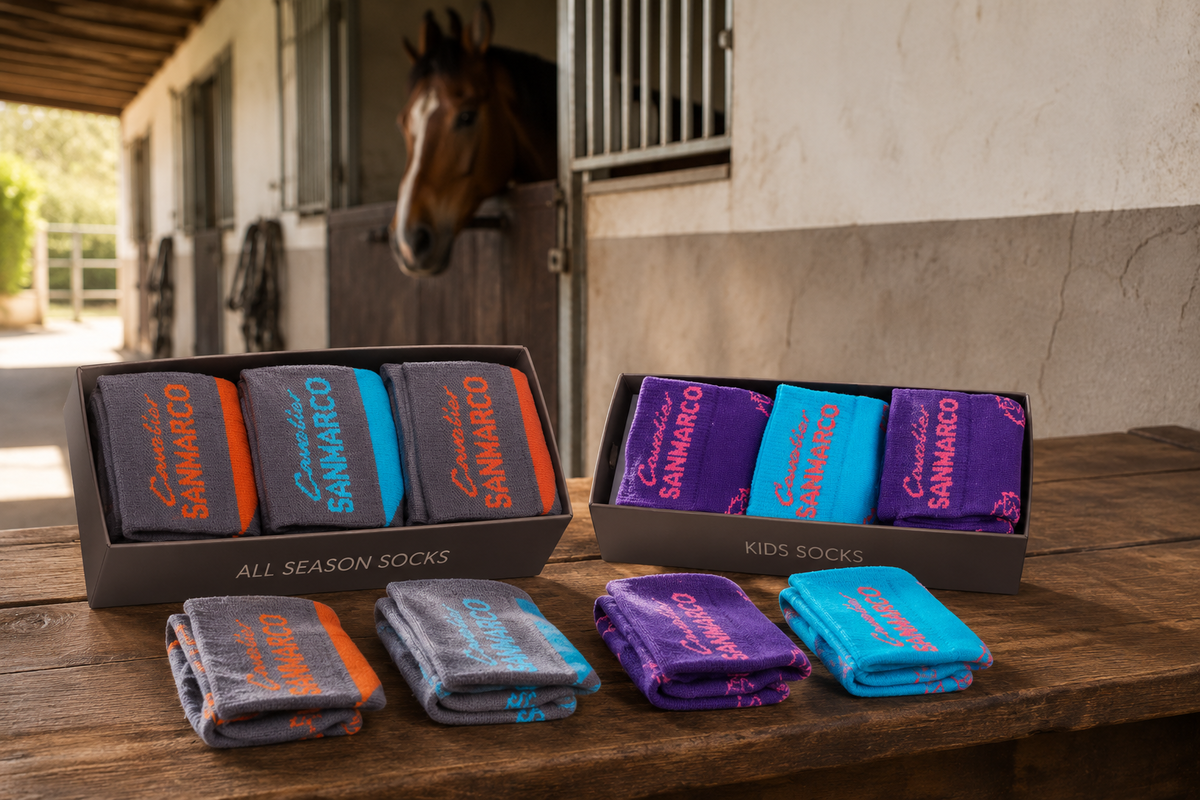
All-Season Riding Socks: All-season designs balance temperature regulation with moderate cushioning, making them versatile options for changing spring and autumn conditions. They are often constructed from medium-weight synthetic fibers or fine merino wool blends that keep the feet warm in cool mornings but remain breathable as the day heats up. These socks provide reliable protection across a wide temperature range, making them great everyday essentials.
Winter Riding Socks: Cold-weather riding socks focus heavily on thermal insulation and moisture control to prevent freezing sweat from chilling the toes. They are built from dense wool or thermal fleece knits that trap warm air close to the skin while maintaining a comfortable thickness inside winter boots. They also feature reinforced padding under the sole to block the cold radiating up from metal stirrup irons.
What to Look for in a Summer Riding Sock: Fabric, Length & Fit
Selecting the perfect pair of summer riding socks requires a close look at the material composition, overall length, and anatomical structural details. A sock that slips down your leg or bunches up inside the toe box will quickly ruin your concentration and cause discomfort. To ensure a comfortable and productive ride, look for these three core design features when comparing your options.
Moisture-Wicking Synthetic and Organic Fabrics: Avoid pure cotton socks, as they absorb sweat and remain damp, which leads to friction and blisters. Instead, choose summer riding socks made from advanced nylon, polyester, and elastane blends that actively pull moisture away from your skin. Many premium summer socks incorporate specialized cooling yarns that lower the skin's surface temperature by dispersing sweat across a wide area for fast evaporation.
Optimized Knee-High Length for Breeches: The ideal sock length should reach just below the knee cap, ensuring the entire calf and lower leg are fully covered. This knee-high fit prevents the top of your tall boots or half chaps from directly pinching your skin or catching on the hem of your breeches. A secure, wide elastic band at the top cuff is essential to hold the sock in place without cutting off circulation.
Anatomical Right/Left Fit and Arch Support: High-performance equestrian socks women are increasingly designed with distinct left and right foot structures to match the natural contours of each foot. This anatomical shape prevents excess fabric from gathering in the toe box, which can cause pressure spots. Built-in elastic arch bands provide light compression around the midfoot, keeping the sock stabilized and preventing it from shifting during active riding.
Blister Prevention: How the Right Sock Protects You in the Saddle
Blisters are a common and painful problem for riders, typically caused by a combination of heat, moisture, and repetitive friction inside the boot. Once a blister forms, it can alter your leg position and ruin your riding focus, sometimes taking days to heal fully. Investing in technically advanced footwear layers is one of the most effective ways to protect your skin from these painful rub spots.
Managing the Moisture Barrier: When sweat accumulates inside a tight leather boot, the skin softens and becomes highly vulnerable to friction damage. Technical riding socks quickly transfer this sweat to the outer layer of the fabric, where it can evaporate through the boot's ventilation or the mesh top of the sock. Keeping the skin dry preserves its natural strength, making it much more resistant to friction.
Reinforced High-Friction Padding: Modern equestrian socks feature targeted, dense padding over high-wear zones such as the heel, Achilles tendon, and the ball of the foot. This strategic cushioning absorbs the constant rubbing of the boot heel without adding bulk to the rest of the foot. The thin panels over the instep and calf ensure your boots still fit comfortably without feeling tight.
Flat-Seam Construction: Standard socks often have bulky, raised seams across the toes that can rub painfully against the front of your boot. Premium technical riding socks are constructed with completely flat or hand-linked toe seams that sit flush against your skin. This seamless finish eliminates a major cause of pressure blisters, ensuring a smooth fit inside close-contact boots.
Kids' Riding Socks: What Changes and What Doesn't
Young riders face many of the same lower-leg challenges as adults, but their growing feet and daily routines require a slightly different approach to gear selection. When choosing kids' riding socks, the focus shifts toward durability, ease of use, and fun styling, while the fundamental rules of protection and moisture management remain just as important.
Sustained Durability for Active Play: Children often spend hours playing around the stable, leading to rapid wear and tear on the heels and toes of their socks. To handle this active use, kids' socks require extra nylon reinforcement in high-friction areas to prevent premature holes. Choosing durable, resilient fabric blends ensures the socks can withstand frequent use and heavy washing cycles.
Fun Visual Designs and Bright Colors: While adult riders often prefer classic, muted colors for formal training, young riders usually enjoy expressing their personality with bright patterns and equestrian graphics. Combining fun designs with technical, breathable fabrics is a great way to keep kids comfortable in their boots while making dressing for the stable enjoyable.
Uncompromised Protection and Fit: Even in kids' sizes, socks must never be made from thick, sweaty cotton that can cause painful blisters during lessons. They still need a high-quality, snug fit that stays securely in place without slipping down inside short boots or half chaps. Keeping their feet comfortable and dry is key to helping young riders stay focused on learning and enjoying their time with the horses.
How to Care for Technical Riding Socks
High-performance riding socks are built from advanced elastane, nylon, and technical fibers that require proper care to maintain their stretch, shape, and moisture-wicking abilities over time. Laundering these technical garments incorrectly can break down the elastic fibers, leading to sagging cuffs, shrinkage, and reduced durability. Following a few simple washing rules will keep your gear in peak athletic condition for many seasons.
Wash in Cool Water with Mild Detergent: Always wash your technical riding socks in cool or lukewarm water, ideally not exceeding 30°C. High heat can damage the delicate synthetic fibers and weaken the elastic stretch panels, causing the socks to lose their shape. Use a gentle, liquid sports detergent that cleans effectively without leaving behind heavy chemical residues that can block the fabric's breathability.
Avoid Fabric Softeners at All Costs: Fabric softeners work by leaving a thin, waxy coating over fabric fibers to make them feel soft. While this might be fine for casual clothing, it ruins technical gear by clogging the pores of moisture-wicking fabrics and trapping sweat. Skipping softeners preserves the sock's natural breathability and ensures it can continue to pull moisture away from your skin.
Air Dry to Protect the Elasticity: The high heat of a tumble dryer can quickly degrade elastane and cause synthetic yarns to shrink or become brittle. For best results, hang your riding socks to air dry in a well-ventilated area away from direct, intense sunlight. If you must use a dryer, select a low-heat, delicate cycle to protect the structural integrity of the compression panels and padding.
Trust the Power of the Right Riding Sock Routine
Finding the ideal balance between fabric breathability, close-contact fit, and targeted padding directly determines your lower-leg comfort and stability in the saddle. A high-quality summer riding sock that manages sweat, protects against painful boot rubs, and supports healthy circulation is a vital tool for any dedicated rider.
When selecting your next pair, consider your daily training demands and how your riding boots fit. Do you ride multiple horses in the July heat? Are your tall boots exceptionally tight through the ankle? Do you prefer subtle, classic designs or a bold styling statement? The answers to these practical questions are your best guide when choosing the perfect fiber blend and padding layout.
By selecting technical socks that fit your personal anatomy, boot style, and regional climate, you can prevent distracting discomforts and focus entirely on your ride. To discover highly breathable, durable, and ergonomically designed socks tailored for your warm-weather sessions, explore our premium equestrian riding socks collection.
Editor’s Note: To extend the life of your technical equestrian riding socks, always trim and smooth your toenails regularly. Sharp or long nails are the leading cause of premature wear and holes in the toe box of lightweight summer hosiery.


Related Post

Equestrian Accessories Every Rider Should Own: Essentials for Style
Discover the essential equestrian accessories every rider should own, from riding gloves to equestrian socks, for style and comfort.

Every Beginner Should Know About Horses Before Their First Ride
Before you get in the saddle, learn how horses think, communicate, and react essential knowledge for a safe and confident start in equestrian sport.


