DESIGNED BY RIDERS, FOR RIDERS


Dressage or Show Jumping? Clothing and Equipment Differences Between the Two Disciplines - Cavalier SanMarco
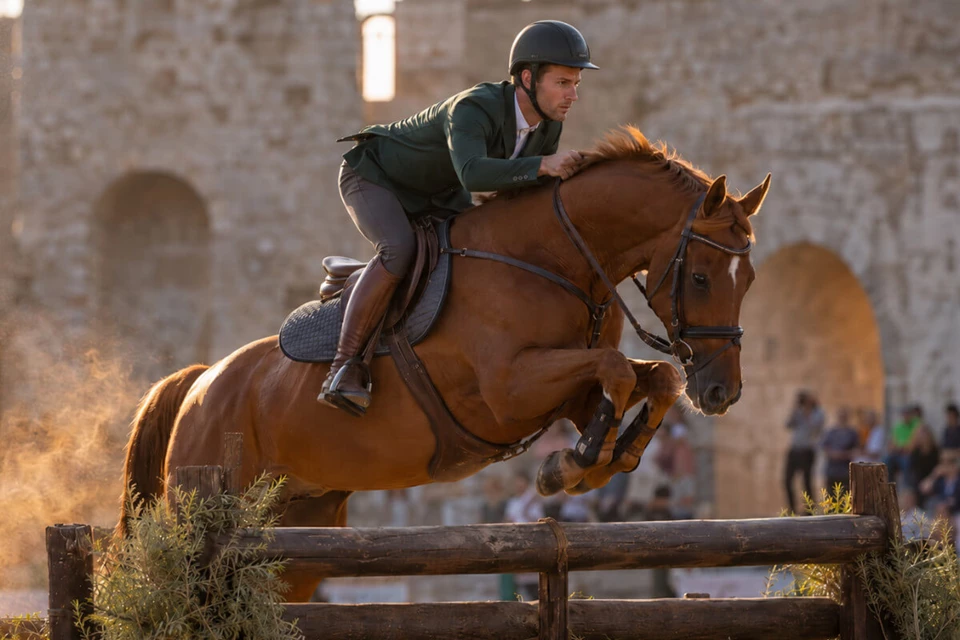
Equestrian sports are divided into various branches, each with its own philosophy, technique, and aesthetic understanding. Among these branches, the two most popular and deeply rooted are undoubtedly dressage and show jumping. Everything from the riding style exhibited by the rider to the movement dynamics in the arena differs completely between these two disciplines. Naturally, the performance needs expected from both the rider and the horse bring their own unique clothing and equipment rules.
Whichever discipline you focus on, choosing the right products directly affects both your scoring and your riding comfort.
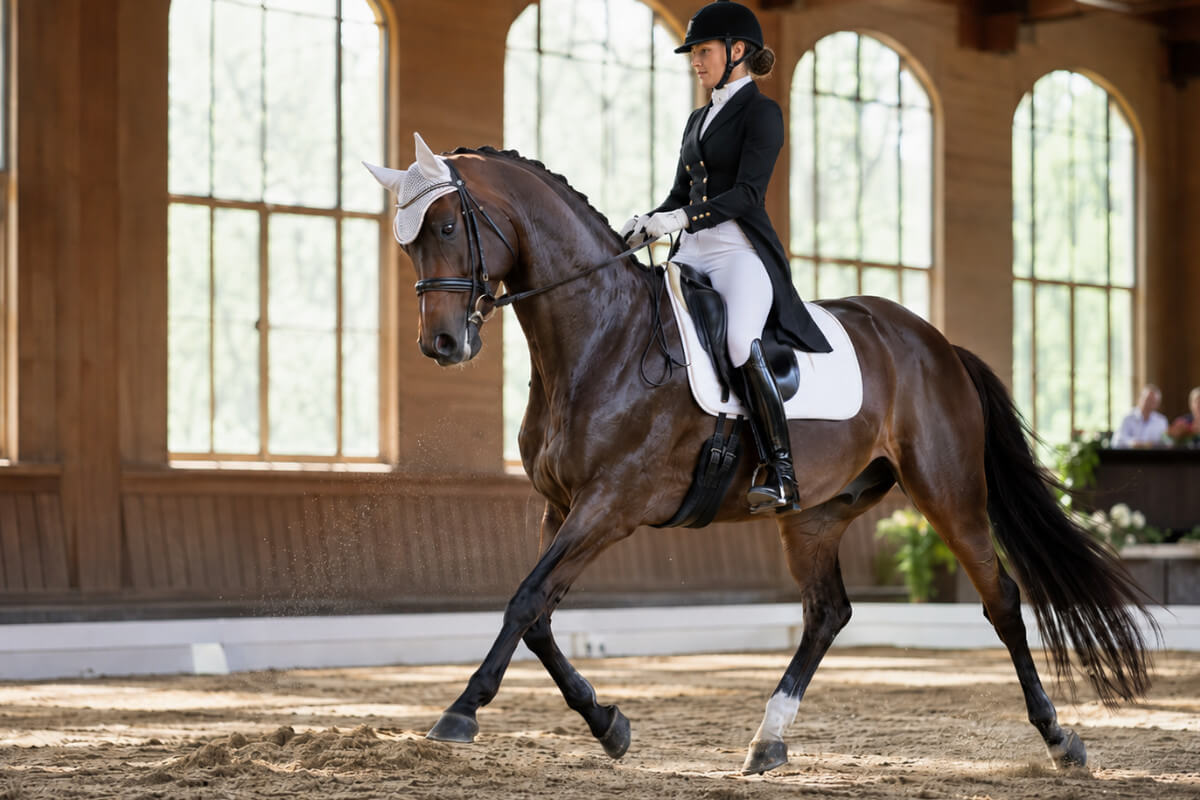
1. Dressage: The Discipline of Elegance, Tradition, and Perfect Connection
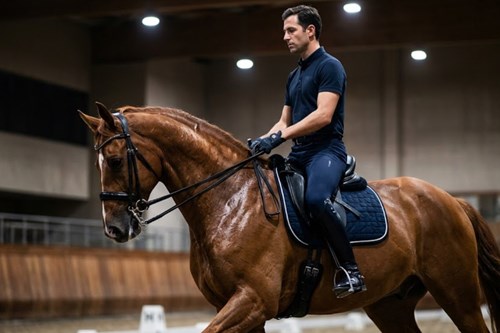
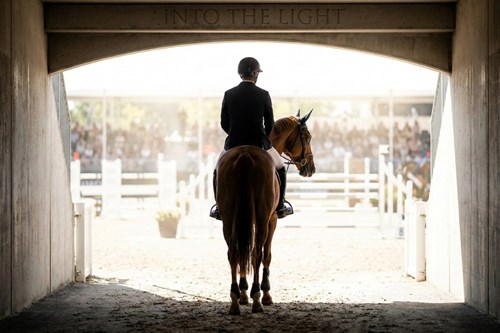
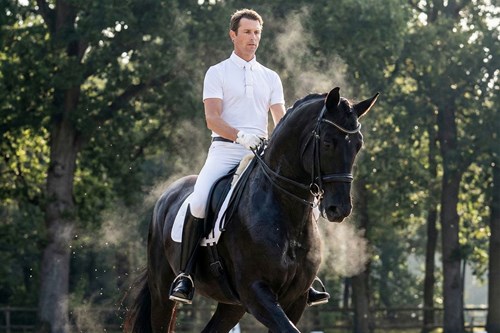
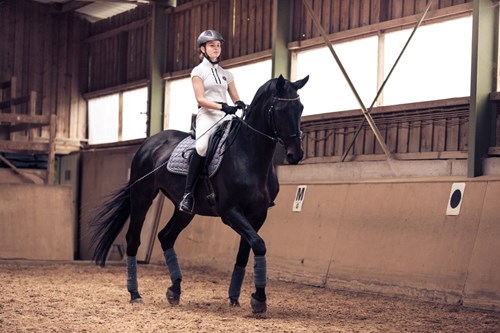
Dressage is a discipline focused on discipline and grace, where the horse dances as if guided solely by the rider's invisible commands. The choice of clothing and equipment in this discipline is designed to reflect centuries-old military traditions and a seamless posture.
-
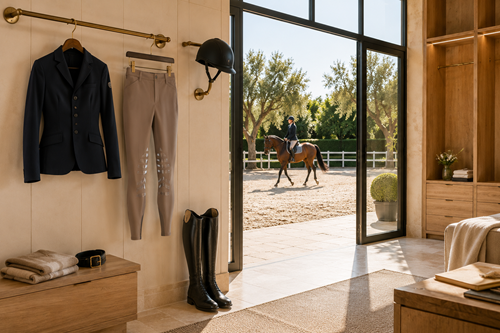
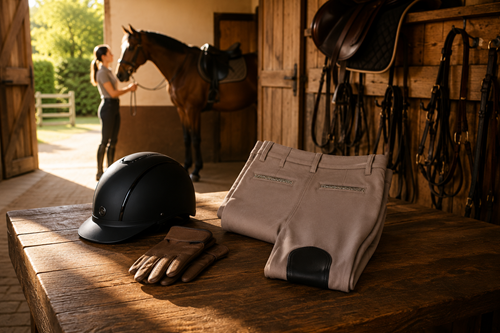
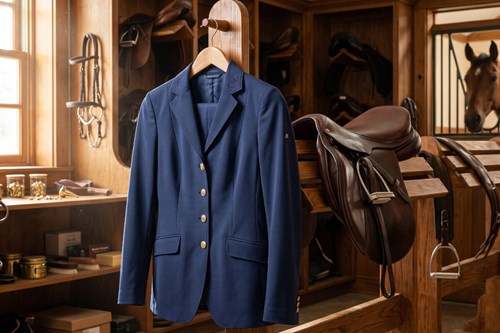
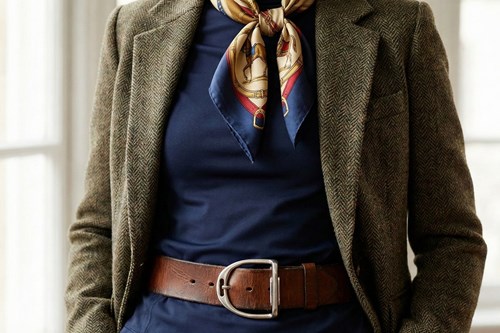
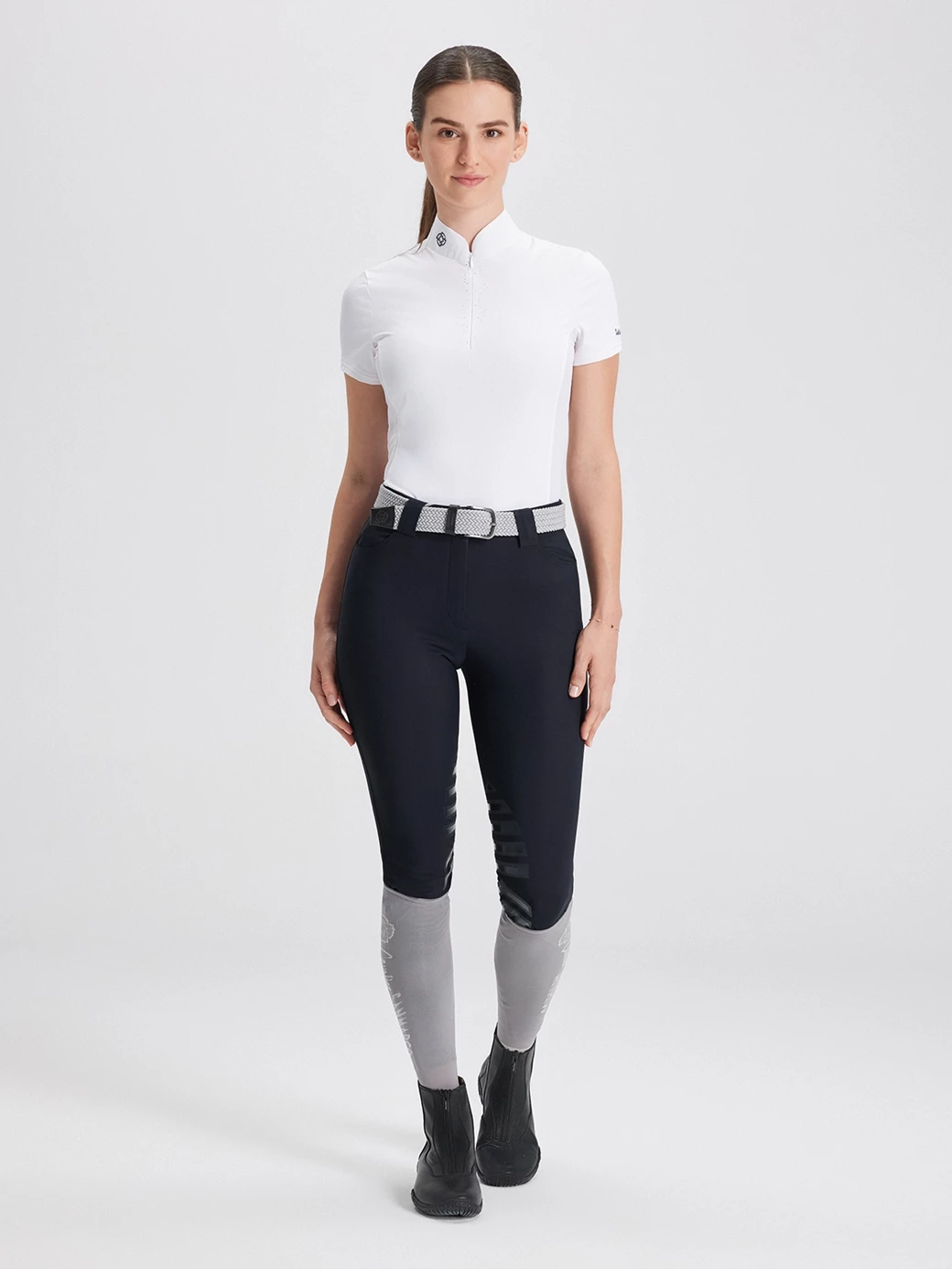
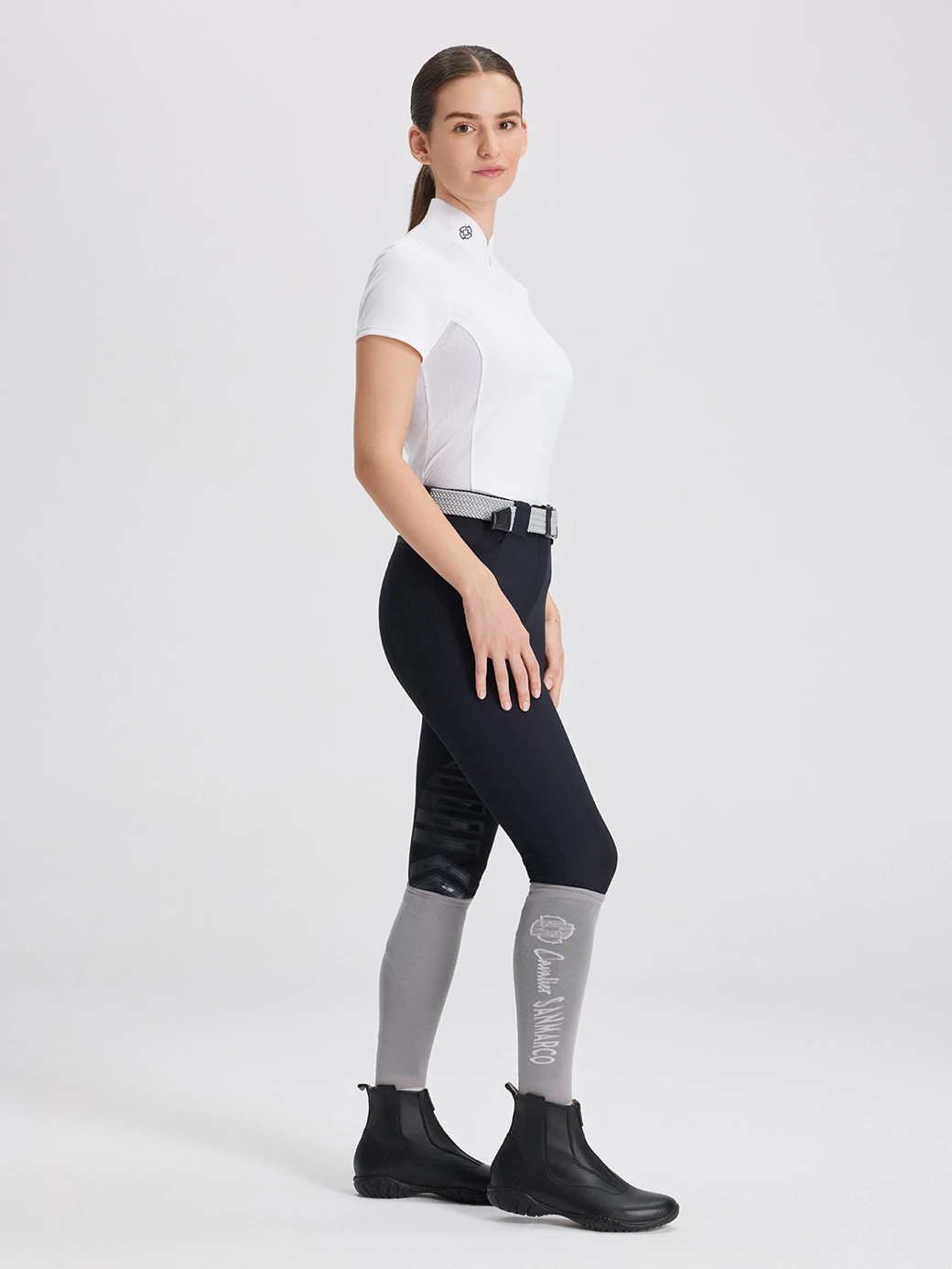
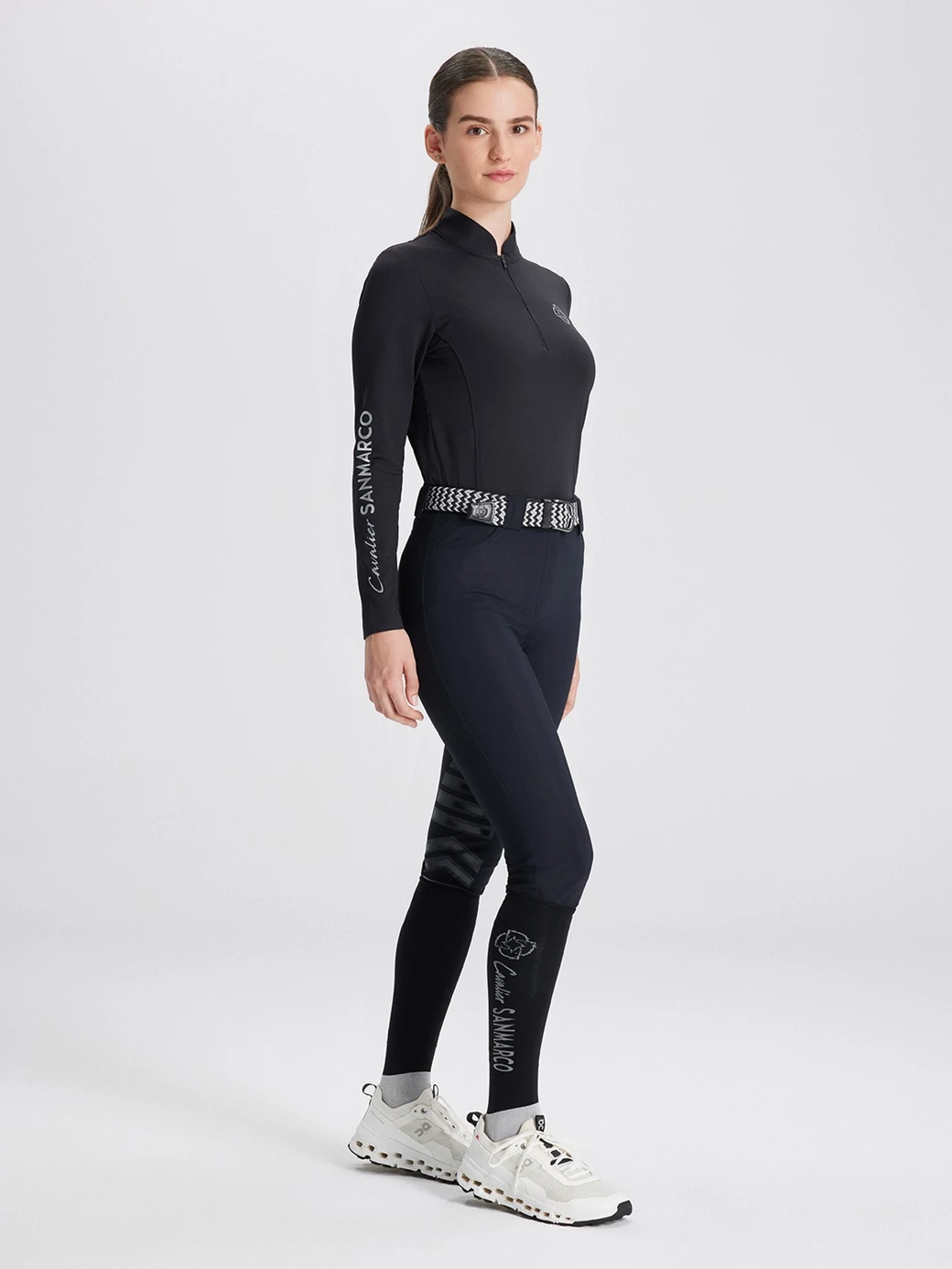
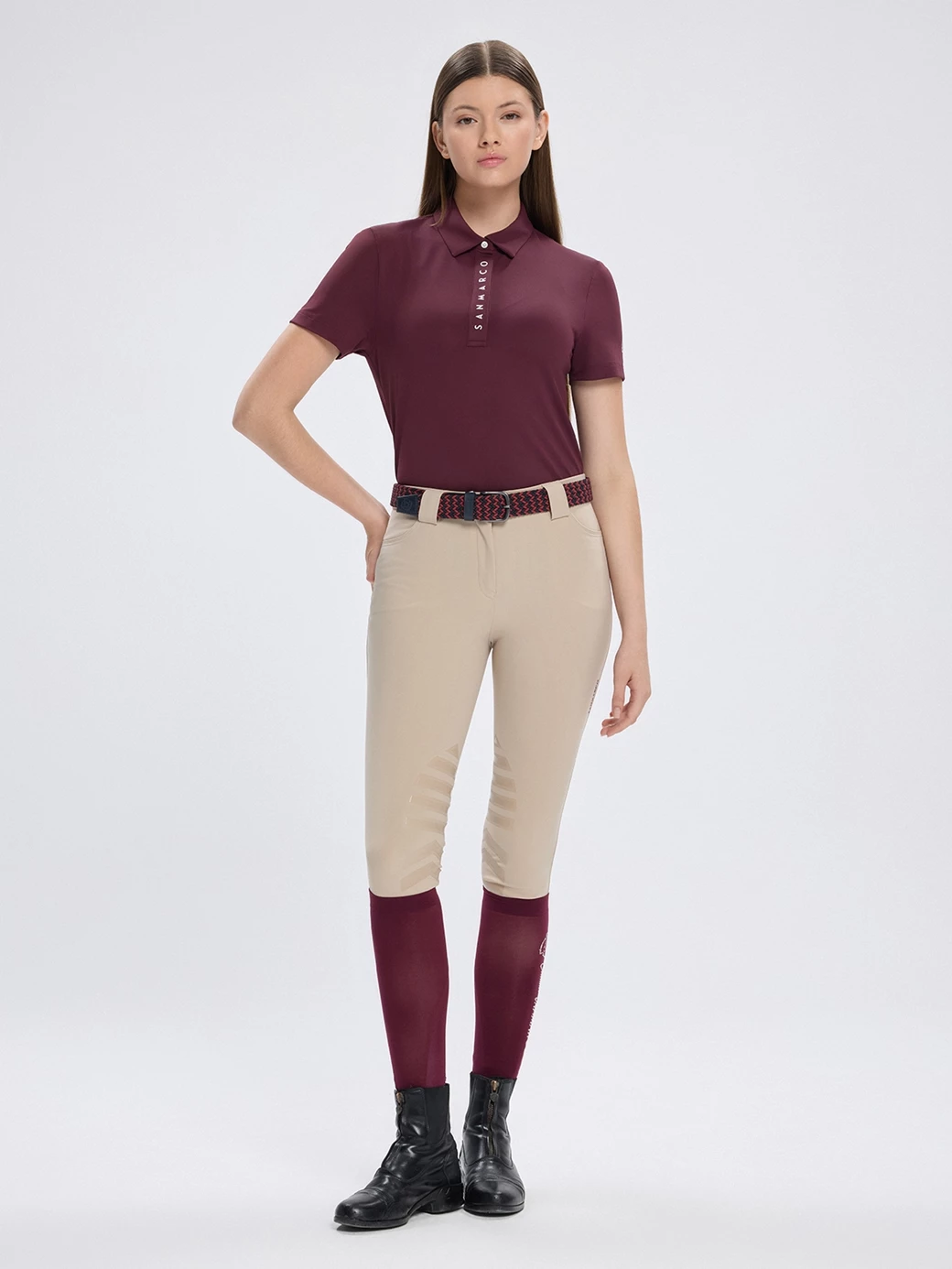
Dressage Clothing: Dressage judges want to see the rider's seat and body lines very clearly. That is why dressage jackets are generally longer in cut (such as a shadbelly/tailcoat at upper levels) and in dark, noble tones. In riding breeches, full silicone grip (full seat grip) panels extending from the hip to the ankle are preferred in order to ensure a completely still and deep seat on the horse.
-
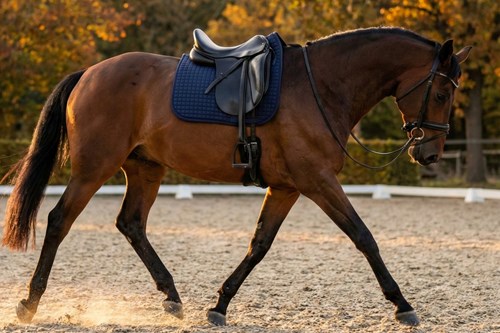
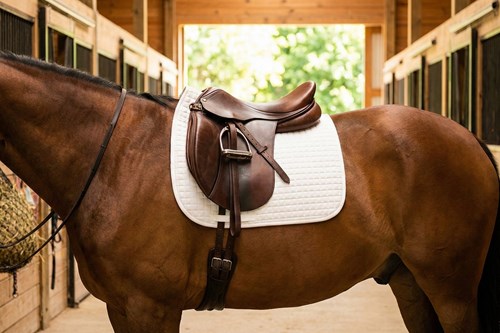
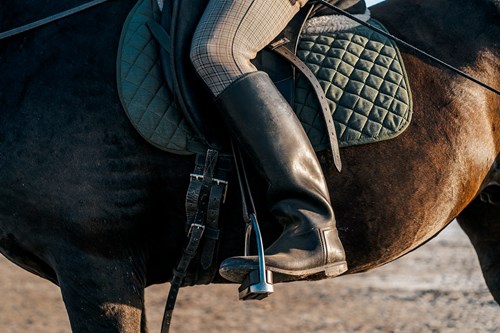
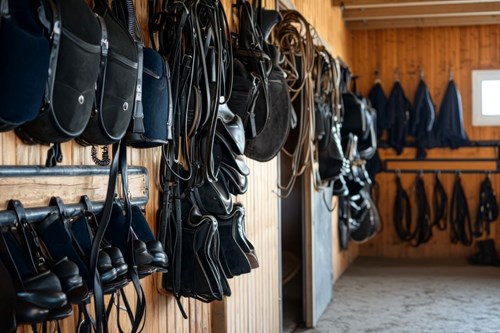
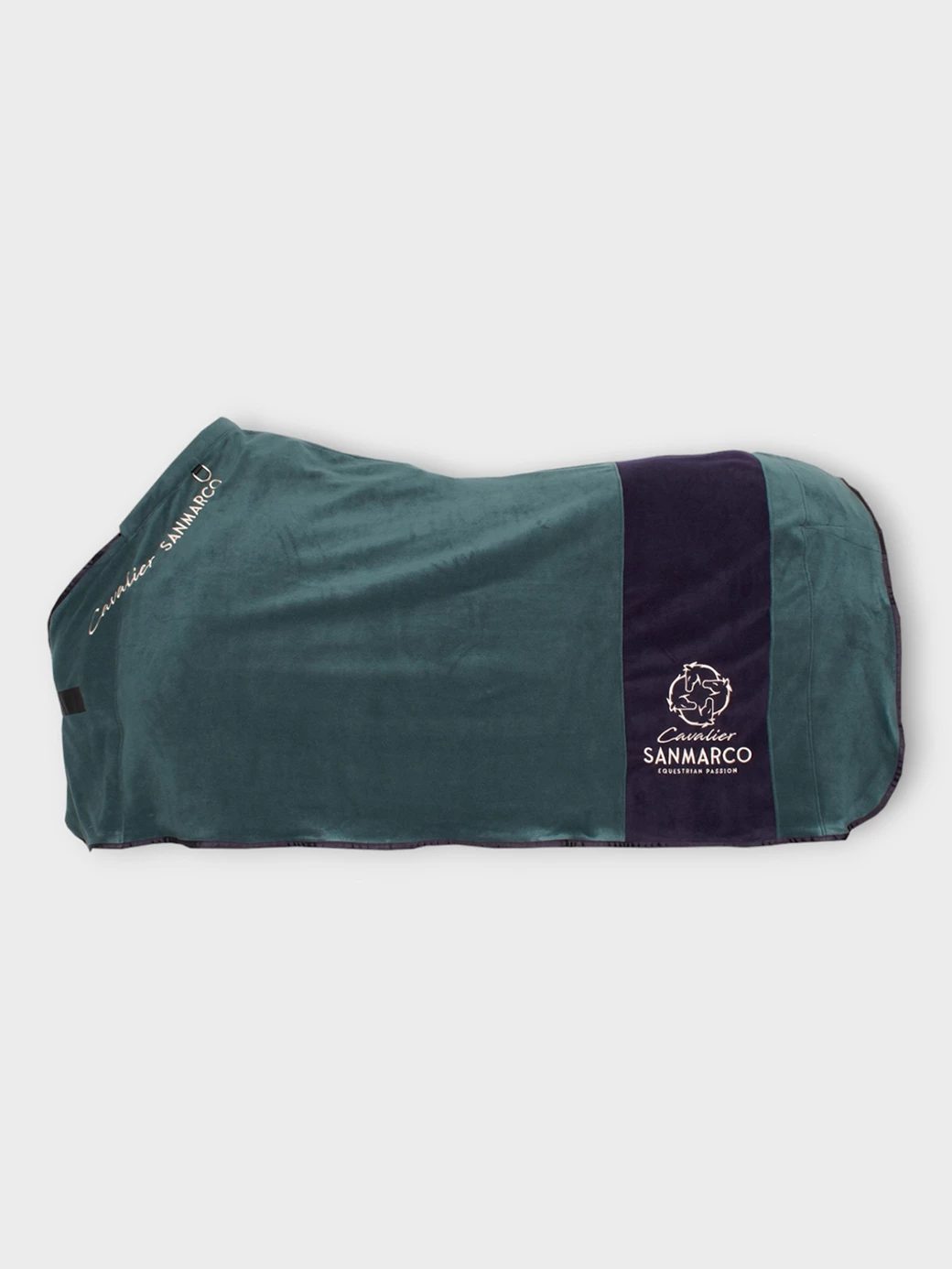
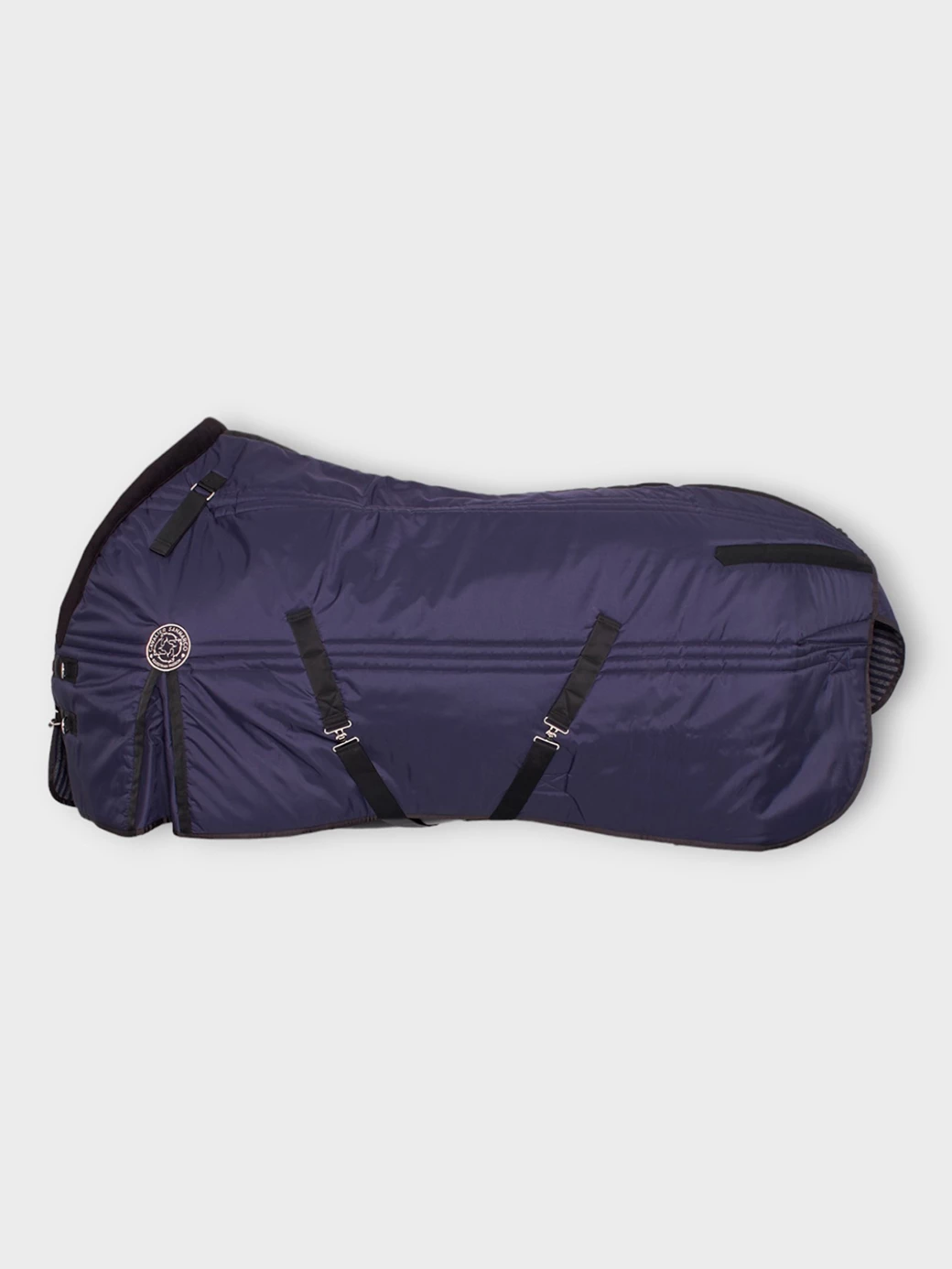
Saddles and Protective Gear: The flaps of dressage saddles are long and straight; this design allows the rider's leg to contact the horse in a straighter and more elongated position. Under these saddles, specialized saddle pads (eyer altı) and felt pads (keçe pedleri) are used to maximize the horse's comfort. These saddle pad (eyer pedi) options in classic white or dark colors and square shapes complete the formal structure of dressage.
2. Show Jumping: The Arena of Dynamic Movement, Agility, and Safety
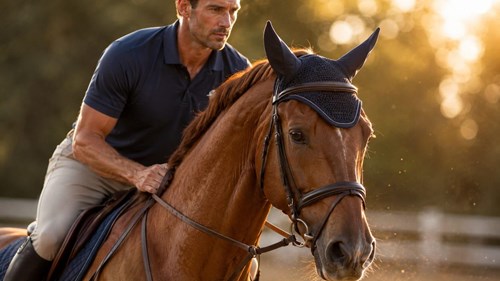
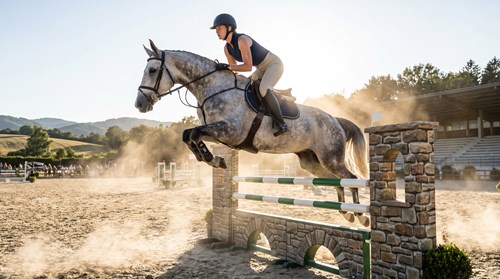
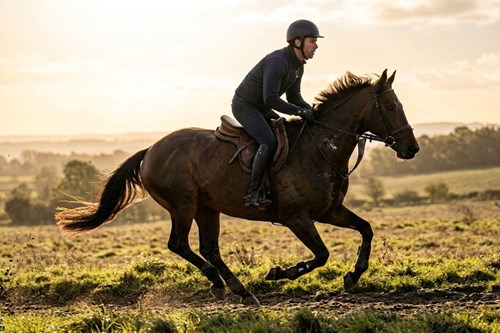
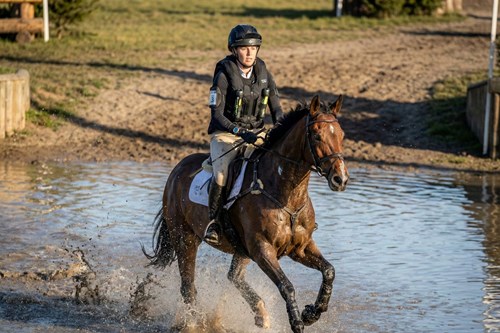
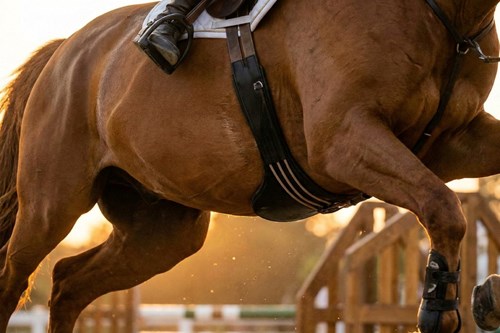
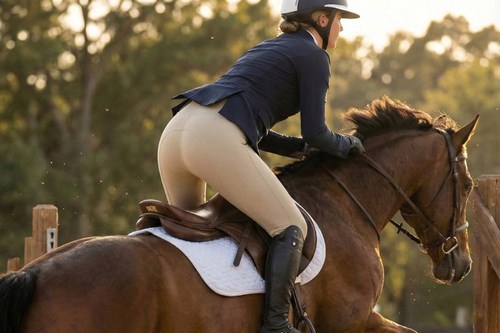
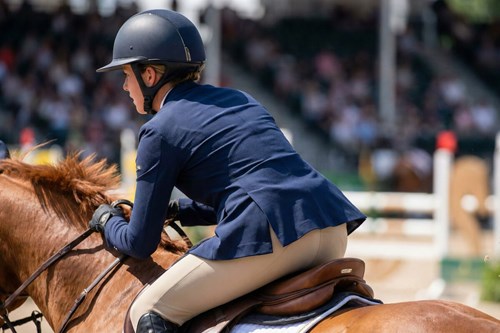
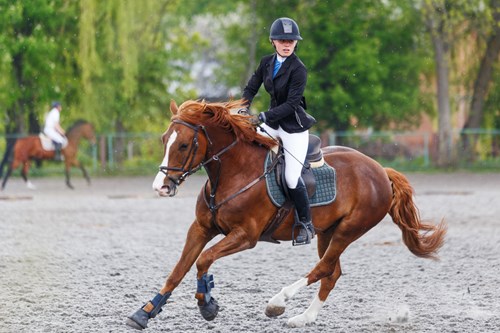
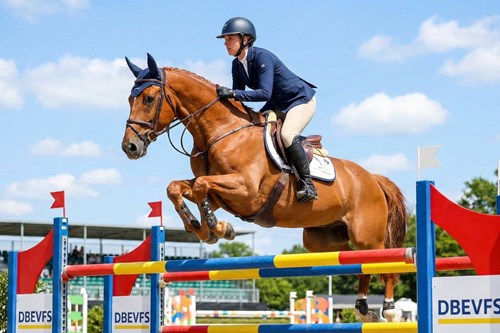
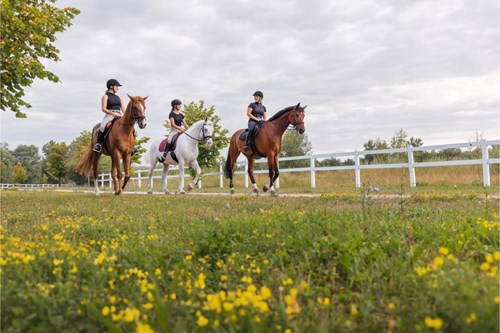
Show jumping is a branch where speed, seconds, and high adrenaline dominate. Here, the rider must be constantly in motion, lifting off the saddle and moving into a light seat or two-point position so that the horse can clear the obstacles comfortably.
-
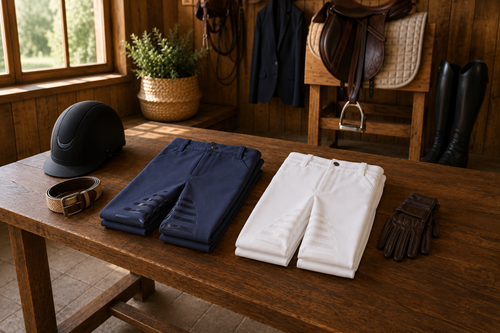
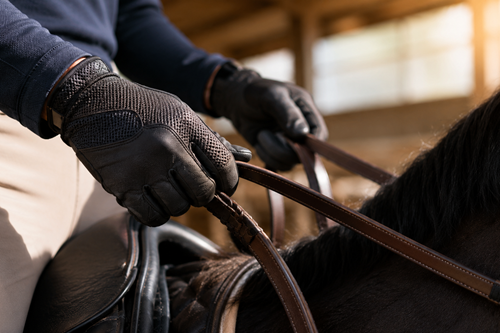
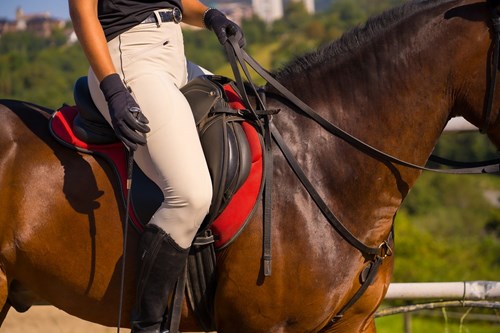
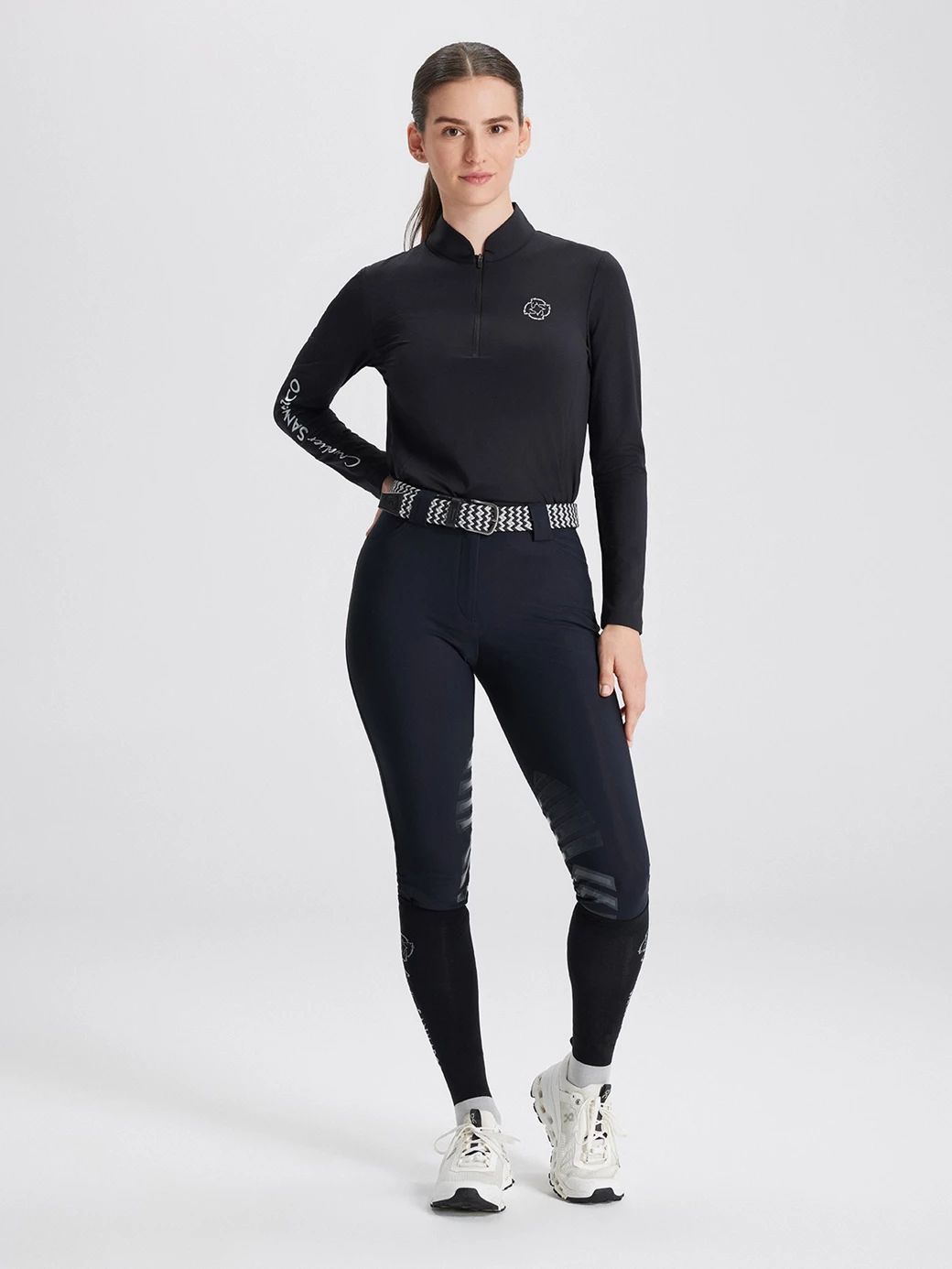
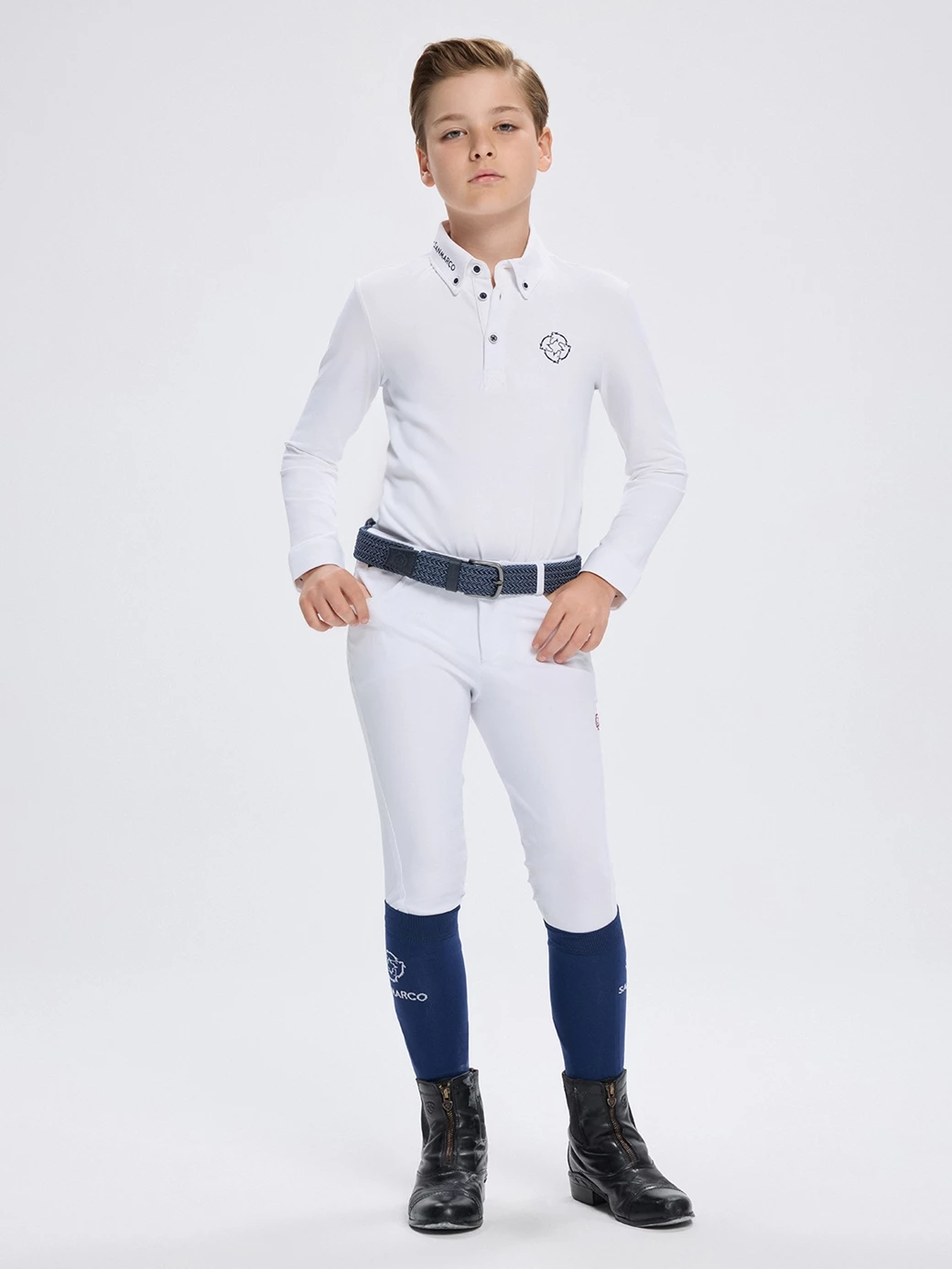
Show Jumping Clothing and Gear: Show jumping jackets are shorter in cut and ultra-flexible so as not to restrict the rider's sudden movements in mid-air and upon landing. In breeches, knee patch grip models, which generally have silicone only on the inner side of the knee, are chosen to facilitate the rider's independent movement from the saddle.
-
Flexibility in Horse Equipment: The flaps of show jumping saddles are forward-cut, allowing the rider to use shorter stirrup lengths. In this discipline, since absorbing the impact on the horse's back is highly critical, shock-absorbing anatomical saddle pads (eyer pedi) and protective felt pads (keçe pedleri) are of vital importance as under-saddle (eyer altı) materials.
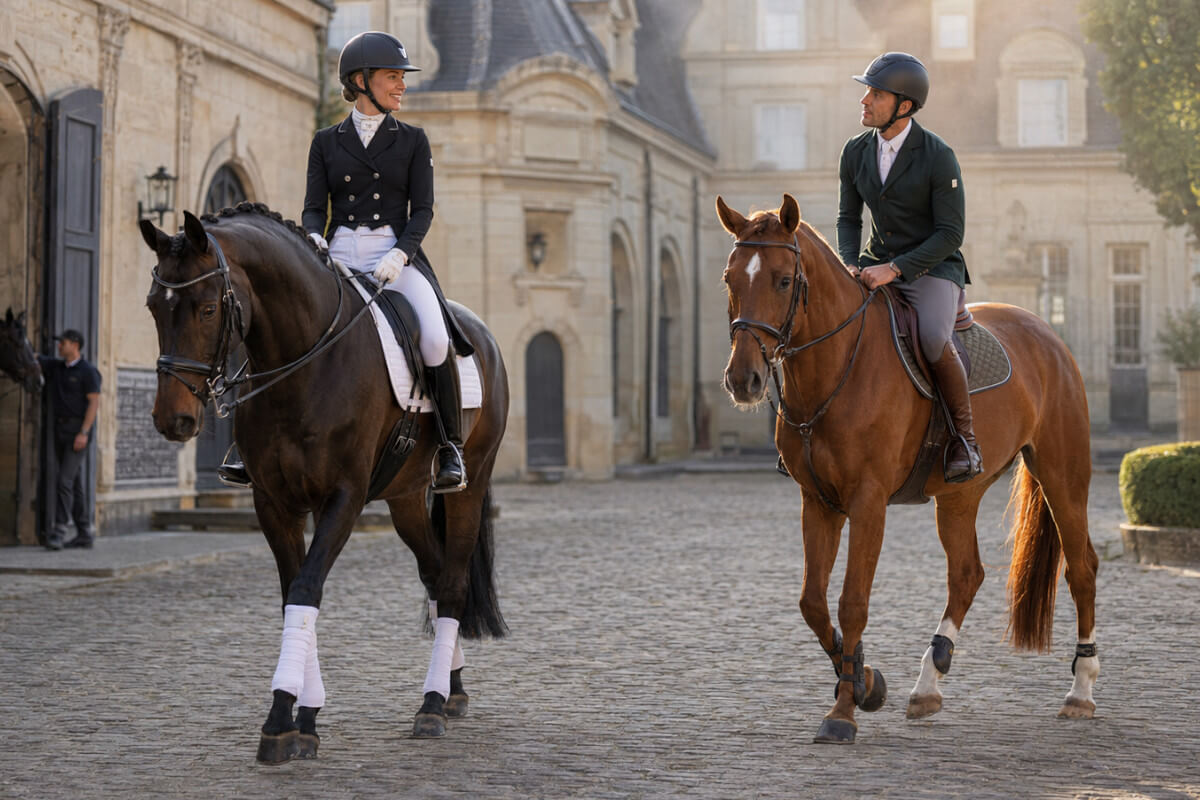
3. Comparing the Two Disciplines: Which One Should You Choose?
When choosing clothing and equipment, the differences between equestrian disciplines must be taken into account, and investments should be made in accordance with your riding style. While a dressage rider seeks a deep, quiet, and integrated connection with the horse, a show jumping rider demands flexibility, protection, and high freedom of movement. Whichever branch you are in, the breathability and elasticity of the technical textile you wear directly determines your riding quality.
Conclusion: Elevate Your Performance with Professional Equipment
Whether you compete in the noble world of dressage or on the adrenaline-filled courses of show jumping, selecting the right technical apparel and under-saddle (eyer altı) products tailored to your horse's anatomy will always keep you one step ahead.
To optimize your riding quality in the arena and discover how you can improve your riding from fabric elasticity to correct equipment placement, make sure to review our 7 Critical Details to Increase Equestrian Training Performance guide.
Editor’s Note: Competition rules may vary depending on federations and levels. Before participating in an official competition, do not forget to check the current discipline manual regarding jacket length, color restrictions, and permitted under-saddle (eyer altı) equipment.