 DESIGNED BY RIDERS, FOR RIDERS
Why Is Choosing the Right Blanket for Your Horse Important?

In the world of equestrianism, "rugging" is far more than a seasonal aesthetic choice; it is a critical component of equine management. A horse's ability to maintain its internal body temperature—thermoregulation—is its primary defense against environmental stressors. Choosing the right blanket is a strategic decision that directly influences a horse's metabolic health, muscle recovery, and overall psychological well-being.
1. The Science of Thermoregulation: More Than Just Warmth
Unlike humans, horses have a highly efficient internal heating system. However, domestication, clipping, and varying weather patterns can disrupt this natural balance. A properly chosen rug assists the horse by:
- Conserving Energy: When a horse is too cold, it burns calories just to stay warm. The right blanket prevents weight loss during harsh winters.
- Protecting Muscle Health: Keeping the large muscle groups over the back and hindquarters warm prevents stiffness and promotes faster recovery after intense training sessions.
- Coat Maintenance: For competition horses, blankets help maintain a sleek, short coat by mimicking the warmth of longer daylight hours.
2. Material Matters: The Versatility of Fleece
Not all blankets serve the same purpose. While heavy turnouts are essential for outdoor protection, the technical properties of fleece are indispensable for indoor comfort and post-exercise transitions.
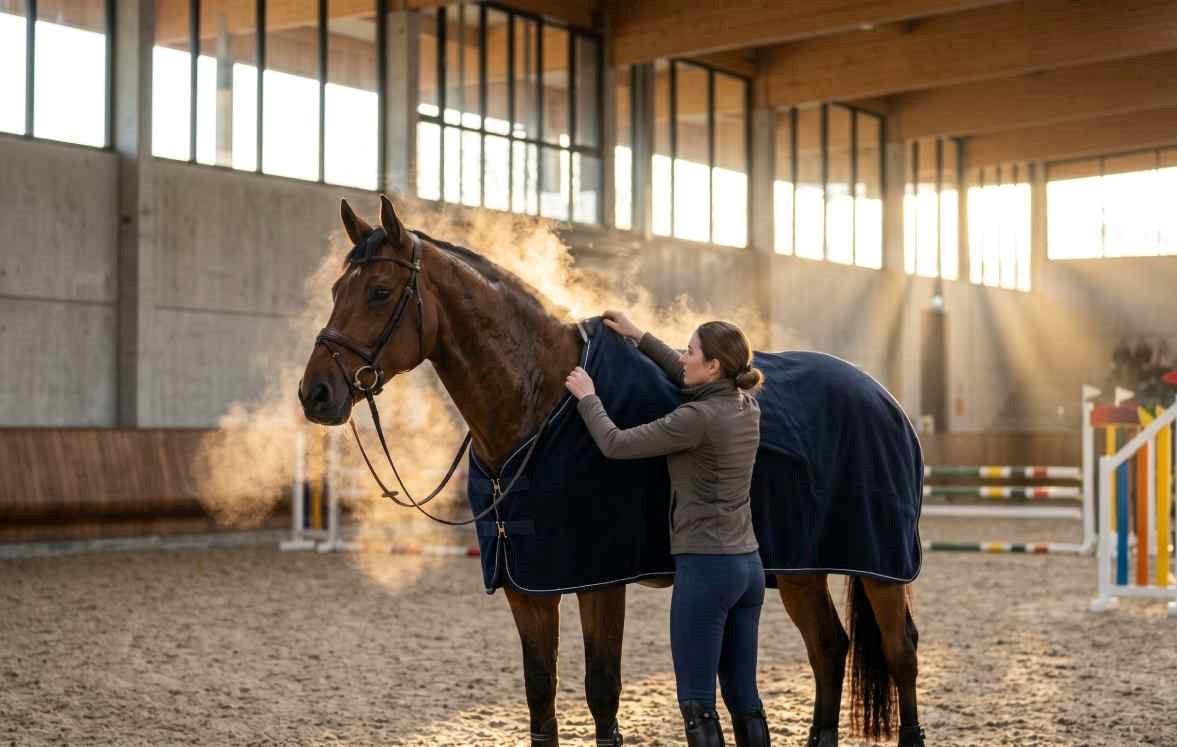
Fleece is celebrated in the equestrian world for its exceptional "wicking" ability—drawing moisture away from the skin while trapping heat. This makes it the ideal choice for cooling down a sweaty horse or providing a lightweight layer during stable rest.
- Professional Choice: If you are looking for breathable, high-performance layers, exploring specialized horse fleece blankets is essential for maintaining a stable micro-climate against the horse's skin.
3. The Danger of Poor Fit: Comfort vs. Friction
Even the most expensive, high-tech blanket can become a liability if it does not fit the horse's unique anatomy. A rug that is too tight can cause painful pressure points on the withers, while a loose rug can shift, leading to dangerous entanglement or severe rub marks on the shoulders.
Ensuring a perfect fit is not just about measurements; it is about understanding how the fabric interacts with the horse's movement.
- Check the Shoulders: Ensure there is enough room for the horse to graze without the chest straps pulling.
- Wither Clearance: Look for anatomical cuts that lift the fabric off the sensitive bone structures.
- Technical Fit Guide: For a deeper dive into how to protect your horse from ill-fitting gear, refer to our comprehensive guide on Ensuring Proper Equipment Fit for Horse Comfort.
4. Seasonal Scenarios: When to Rug
Over-rugging is just as dangerous as under-rugging. A horse that overheats under a blanket is at risk of skin infections and dehydration. The professional approach involves:
- Monitoring the Ambient Temperature: Adjusting the "denier" and "fill" of the blanket as the seasons change.
- Activity Levels: A clipped horse in active work requires a different rugging strategy than a retired horse with a full winter coat.
- Layering Logic: Using lightweight fleece or liners to adapt to fluctuating temperatures throughout the day.
A Commitment to Equine Well-being
Choosing the right blanket is an investment in your horse's health. By prioritizing high-quality materials, anatomical designs, and a precise fit, you ensure that your horse remains comfortable, healthy, and ready to perform. At Cavalier San Marco, we believe that every detail of your equipment should serve the horse’s natural biomechanics.


Related Post

How to Ensure Proper Equipment Fit for Horse Comfort?
Prioritize your horse's health and performance with the right equipment fit. Expert tips on selecting saddle pads, girths, and rugs for your horse.

Horse Rug Types and Features: The Role of Fleece, Stable and Turnout Models
Learn the differences between fleece, stable and turnout rugs, and choose the right protection for your horse.


