DESIGNED BY RIDERS, FOR RIDERS


Horse Care Tips for First-Time Owners: Essential Daily Guide - Cavalier SanMarco
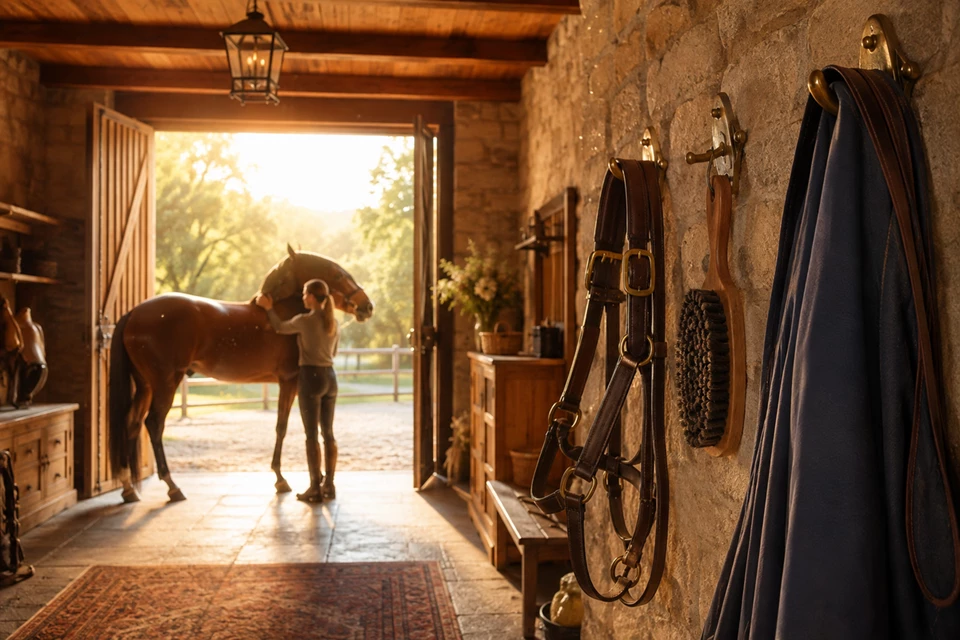
Becoming a first-time horse owner is a deeply rewarding milestone, but it also brings a significant increase in daily responsibility. Unlike pets that adapt easily to standard domestic environments, horses require dedicated management schedules, specialized housing conditions, and consistent physical care to thrive. Establishing a structured daily routine from day one helps prevent health complications, minimizes stress for your new horse, and builds a foundation of trust between horse and handler.
Whether you are keeping your horse at a full-service boarding facility or managing them at home, mastering the fundamentals of daily care is essential. Factors such as feeding times, pasture turnout, hoof hygiene, and stable maintenance directly shape your horse's physical health and mental well-being. Because different seasonal conditions and workload demands call for specific gear and management strategies, selecting functional tools and establishing clear health checks ensure long-term comfort and peak performance.
By building confidence in daily handling routines and selecting reliable gear, you can smoothly navigate your transition into horse ownership while providing your horse with the highest level of care.
What Every First-Time Horse Owner Should Know
Stepping into horse ownership requires a shift in mindset from casual rider to primary caregiver. Recognizing that a horse’s health relies entirely on consistent daily management helps new owners prioritize preventative care over emergency troubleshooting.
Commitment to Daily Routine: Horses thrive on predictability and established routines. Regular feeding times, scheduled turnout, and predictable barn visits reduce anxiety and support stable gut function. Sudden changes in management or erratic feeding schedules can trigger digestive distress or behavioral changes in unfamiliar surroundings.
The Cost of Time and Maintenance: Beyond financial considerations, owning a horse requires a continuous time commitment. Even when boarding at a full-care facility, dedicated owners must schedule regular visits for grooming, exercising, tack adjustments, and routine veterinary inspections. Active involvement ensures you notice subtle changes in your horse’s attitude or physical condition early.
Building a Professional Support Network: No new owner manages a horse entirely alone. Establishing strong relationships with an experienced veterinarian, a certified farrier, a knowledgeable trainer, and trusted barn managers provides a reliable network for guidance. Relying on professional expertise helps you make informed choices regarding nutrition, shoeing intervals, and training progression.
Daily Horse Care Essentials
Managing a horse’s basic physical requirements involves four primary areas: clean water access, consistent forage delivery, regular exercise, and daily health observations.
Hydration and Clean Water Access: An average adult horse drinks between 30 to 50 liters of fresh water daily. Automatic waterers and manual buckets must be checked multiple times a day to ensure they remain clean, unfrozen in winter, and free of algae during summer. Restricting water intake, even for a few hours, increases the risk of impaction colic.
Forage-Based Feeding Schedules: A horse’s digestive system requires continuous fiber to process stomach acid effectively. Providing high-quality hay or clean pasture forage keeps the gut moving smoothly. Concentrated feeds should only supplement forage when workload or body condition scores require extra calories, and grain rations should always be divided into small, manageable meals.
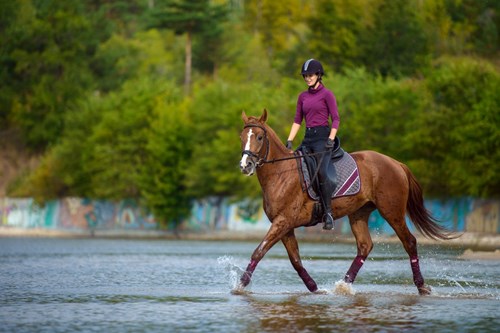
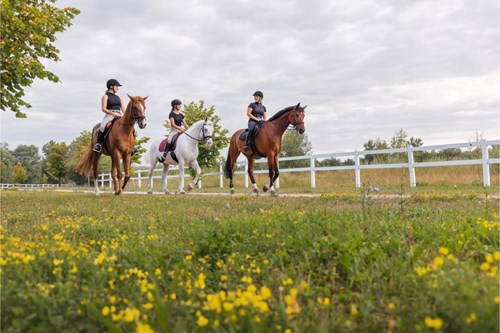
Daily Turnout and Movement: Horses are biologically designed to move continuously over large distances. Daily turnout in safe paddocks or pastures allows horses to stretch their joints, graze naturally, and interact socially with herd mates. Adequate turnout time significantly lowers stable stress, reduces leg edema (stocking up), and maintains calm behavior in hand.
Basic Health Checks: Every morning and evening, perform a quick visual health audit. Check for clear eyes, normal breathing rates, clean nostrils, and even weight distribution across all four hooves. Inspect the stall for normal manure production, which serves as a primary indicator of healthy gut motility.
Grooming Basics for Your Horse
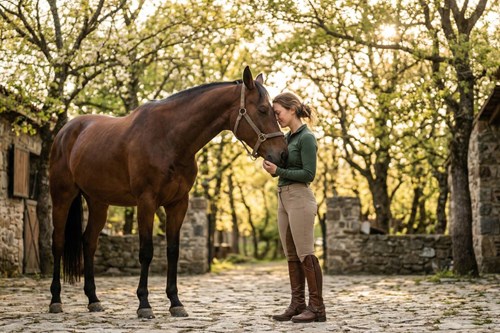
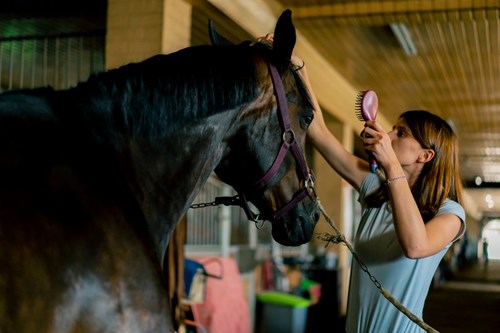
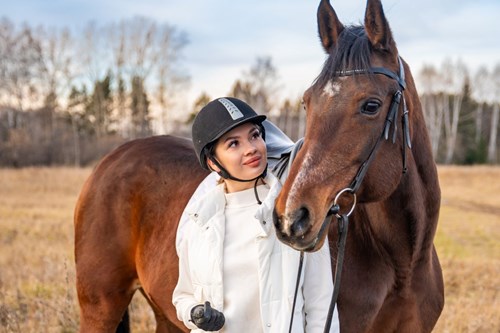
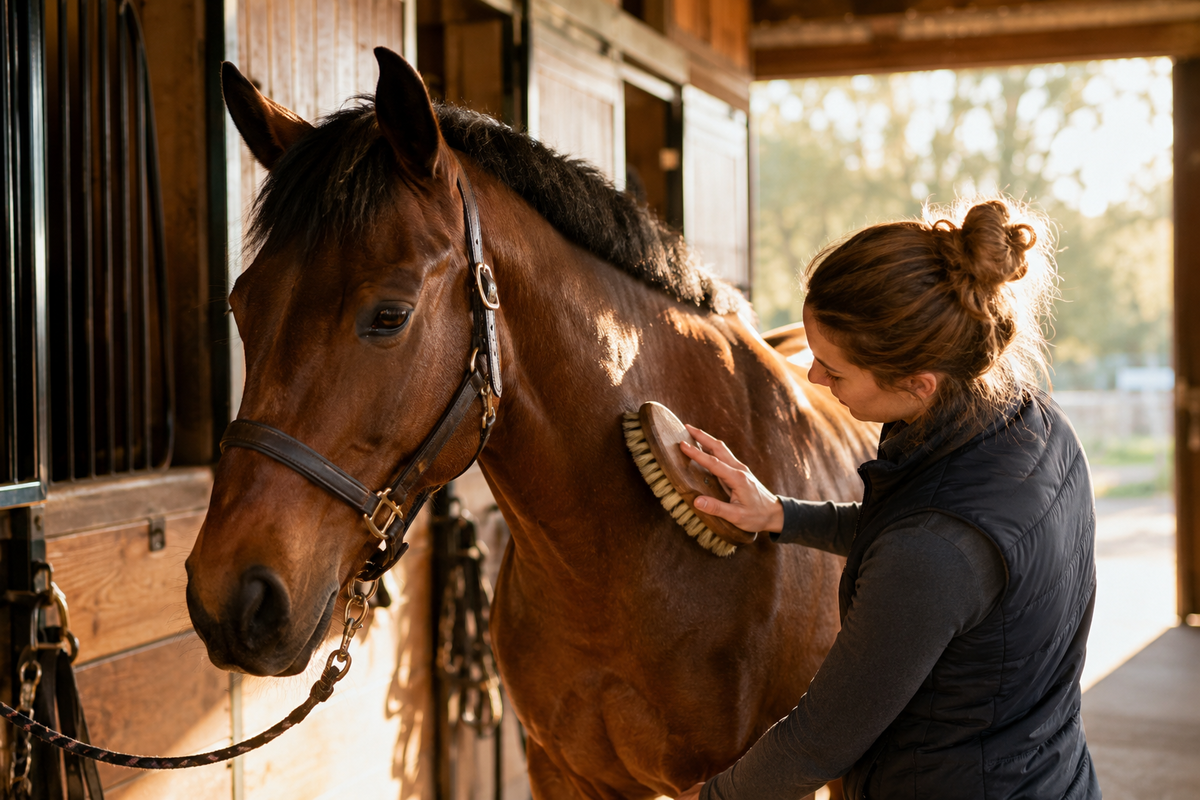
Daily grooming is more than an aesthetic preference; it serves as a critical health inspection and a primary method of bonding with your horse.
Step-by-Step Grooming Order: Begin with a rubber curry comb used in soft circular motions over fleshy areas like the neck, barrel, and quarters to loosen dirt and dried mud. Follow with a stiff-bristle dandy brush using short flicking strokes to sweep away debris. Finish with a soft-bristle body brush on sensitive areas, the face, and lower legs to smooth the hair coat and distribute natural oils.
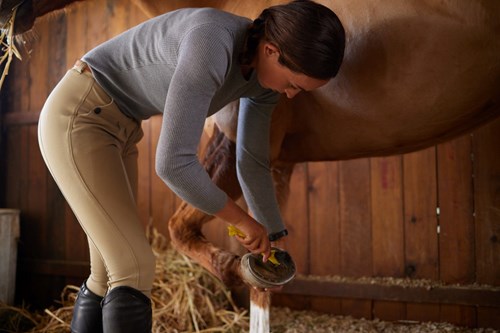
Hoof Picking and Lower Leg Care: Clean out all four hooves with a sturdy hoof pick before and after every turn-out session or ride. Scrape away packed dirt, small stones, and manure from around the frog to prevent thrush infections and sole bruising. While picking the feet, run your hands down the lower legs to check for heat, swelling, or small cuts along the pasterns.
Coat Health and Skin Inspections: Regular grooming allows you to detect skin conditions like rain rot, sweet itch, or ringworm before they spread. Brushing also stimulates skin circulation and promotes a healthy, shiny coat. Clean eyes and nostrils with a damp, soft cloth to remove dust accumulation after daily workouts.
Stable and Turnout Essentials
A safe, well-ventilated environment protects your horse from injury, respiratory issues, and weather extremes whether they are stabled indoors or kept outside.
Stable Ventilation and Bedding Management: Enclosed stalls require continuous airflow to clear ammonia fumes, dust, and mold spores. Use absorbent, low-dust bedding such as wood shavings or straw, and pick out manure daily to maintain clean footing. High ceilings and open window vents prevent respiratory irritation and keep stalls dry.
Paddock Fence Safety and Inspection: Pastures and paddocks must feature secure, visible fencing designed specifically for horses, such as wooden post-and-rail, flexible vinyl, or smooth wire systems. Regularly walk the fence line to check for broken boards, loose wire, or protruding nails that could cause injury during turnout play.
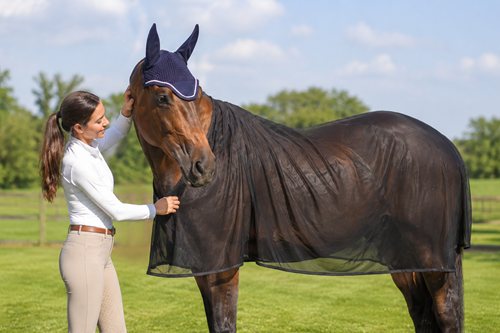
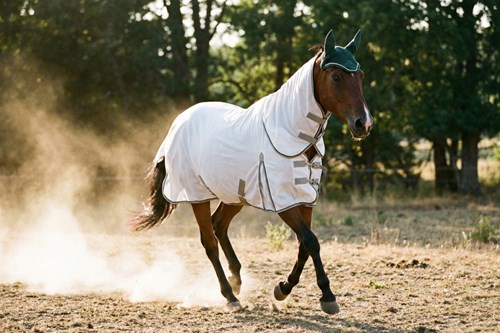
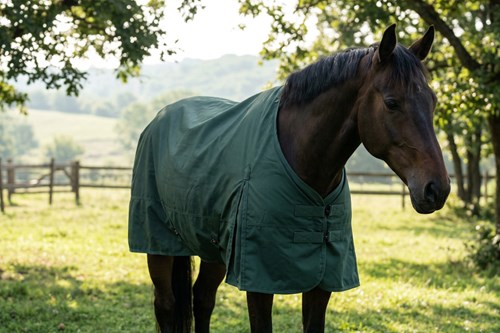
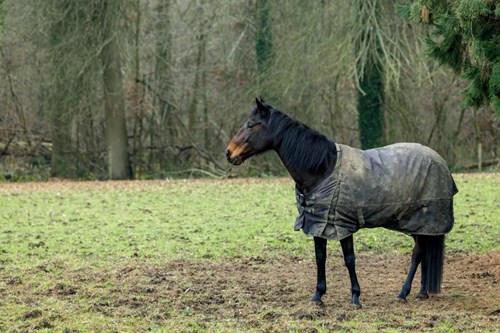
Seasonal Shelter Access: Outdoors, horses require access to sturdy run-in sheds or natural tree canopies for protection against harsh elements. Adequate shade guards against solar heat during peak summer months, while windbreaks and waterproof turnout rugs shield horses from driving winter rain and cold winds.
Choosing the Right Horse Equipment
Selecting high-quality, properly fitted tack and stable accessories directly impacts your horse's comfort, movement, and skin health. Using poorly sized gear can cause painful rub spots, muscle tension, and long-term behavioral issues under the saddle.
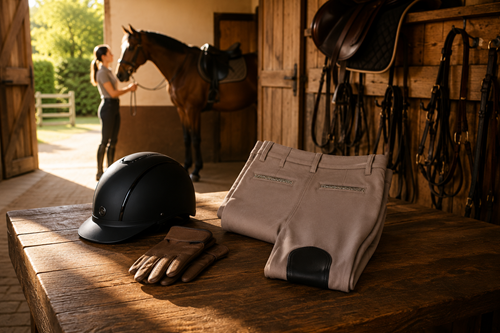
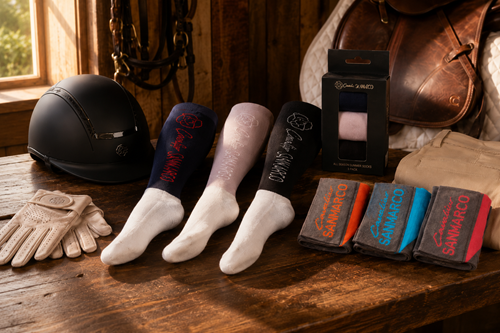
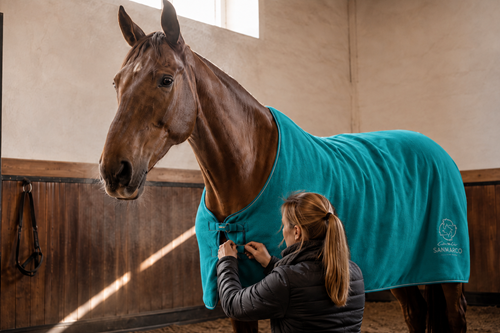
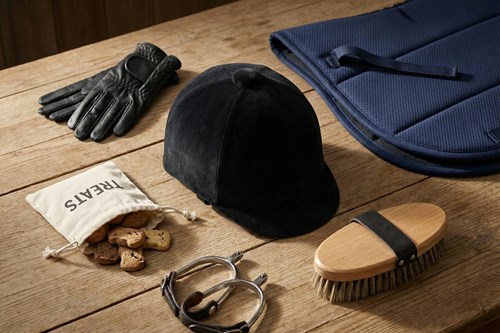
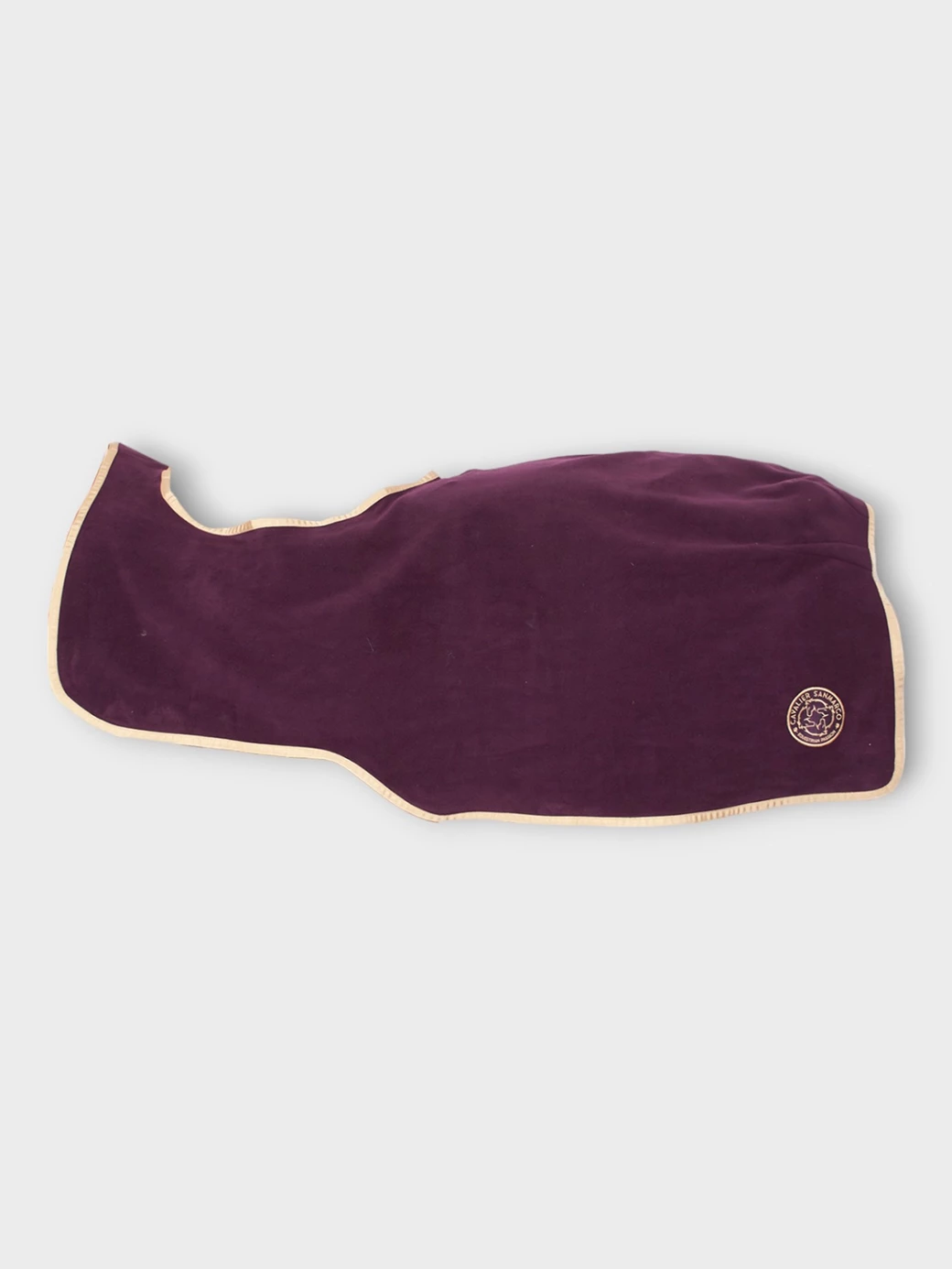
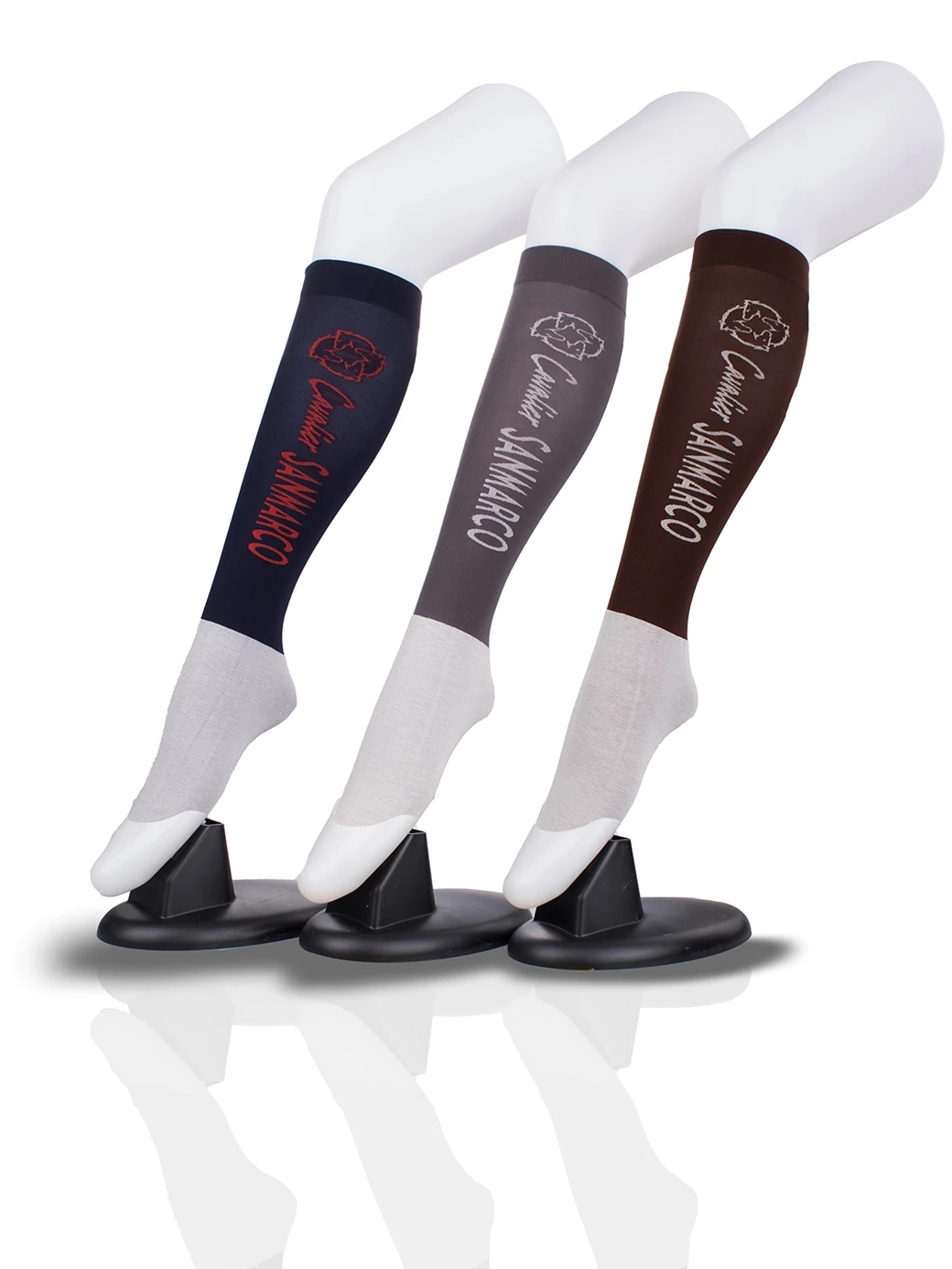
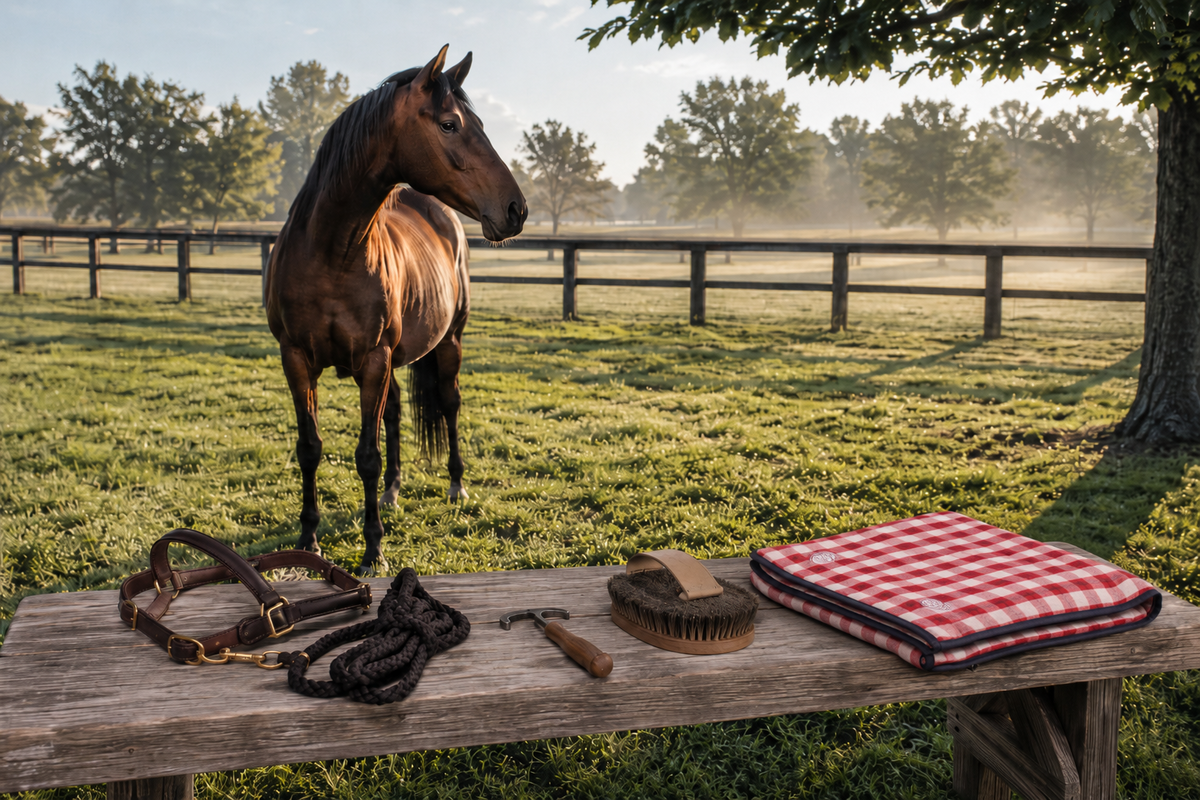
Essential Horse Accessories and Gear: A basic equipment setup for a new owner includes a sturdy leather or webbing halter, a strong lead rope, grooming brushes, turnout sheets, and specialized leg protection for workouts. Investing in durable, easy-to-clean equipment ensures reliability during daily handling. To browse durable, high-performance gear designed for daily barn use, explore our complete horse equestrian gear equipment collection.
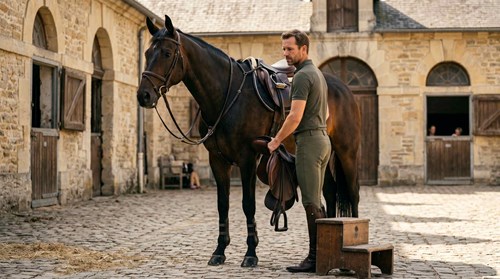
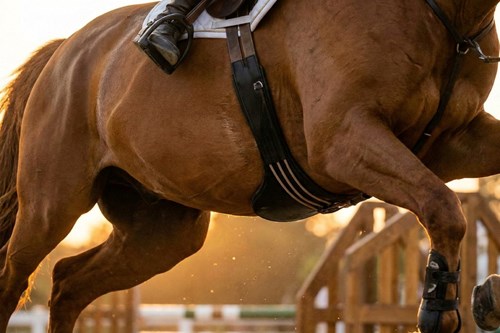
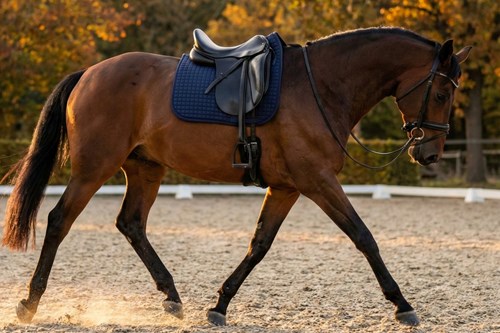
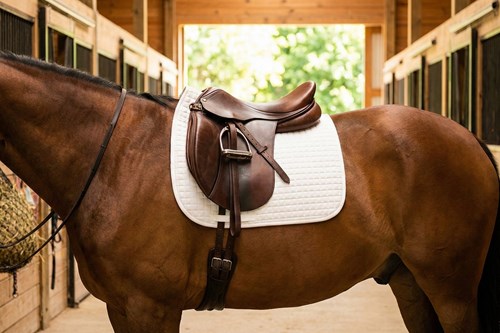
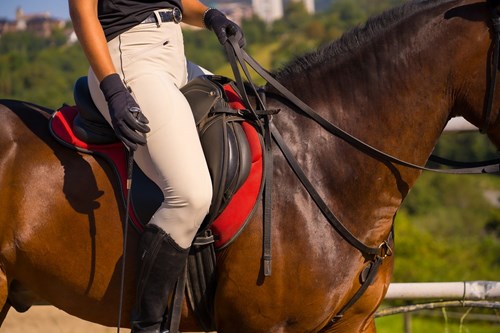
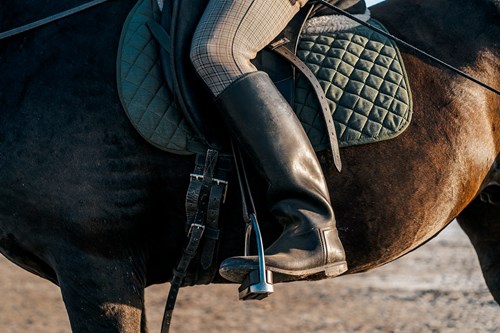
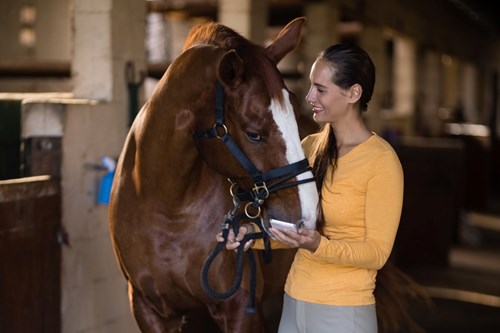
Ensuring Proper Fit for Saddle and Bridle: Saddles, bridles, and girths must fit your horse’s anatomical structure precisely without pinching the withered area or restricting shoulder movement. A saddle that sits unevenly or a bit that sits too low in the mouth creates discomfort and alters your horse’s movement under the saddle. To learn how to select and adjust your tack correctly, read our detailed guide on ensuring proper equipment fit for horse comfort.
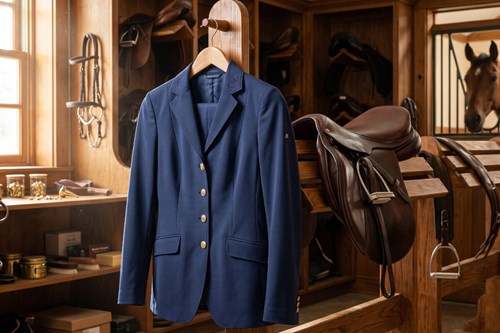
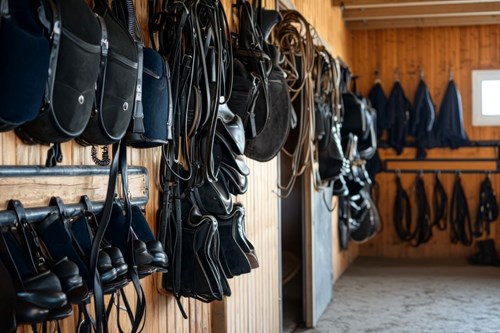
Storage and Care of Leather Gear: Leather tack requires regular cleaning with saddle soap and periodic conditioning to remain soft, supple, and safe for daily use. Store your gear in a dry, well-ventilated tack room to prevent mold growth, and inspect leather straps frequently for signs of cracking or weak stitching.
Common Mistakes New Horse Owners Make
Navigating the early months of horse ownership comes with a learning curve. Being aware of common beginner errors allows you to avoid unnecessary stress and keep your horse safe.
Overfeeding Concentrates: A common mistake among new owners is feeding excess grain or high-protein concentrates to horses that only require forage. Overfeeding calories without high energy demands leads to weight gain, metabolic imbalance, and excitable behavior in hand. Always base your horse's diet on high-quality hay first.
Ignoring Early Health and Behavior Signals: Minor behavioral changes such as tail swishing during tacking up, head tossing, or reluctance to turn out often indicate physical discomfort rather than disobedience. Ignoring early indicators of discomfort can cause minor issues to escalate into chronic soreness. Always investigate the root cause of behavioral shifts with your trainer or vet.
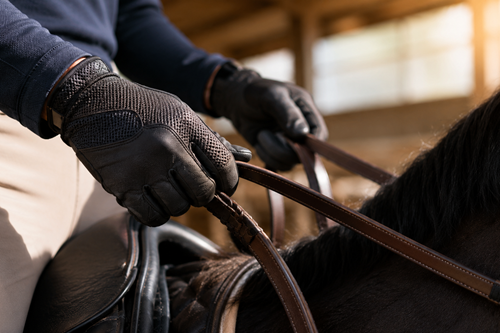
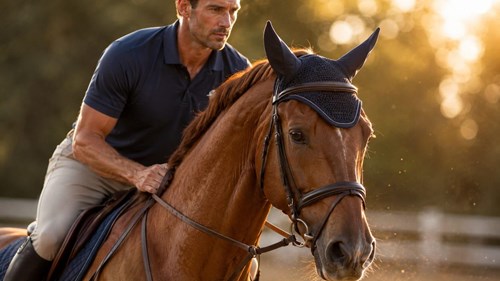
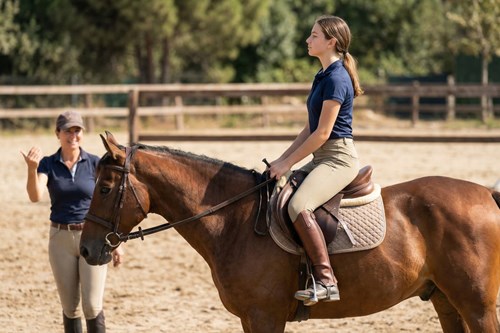
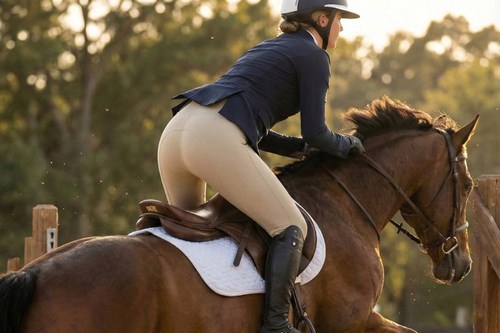
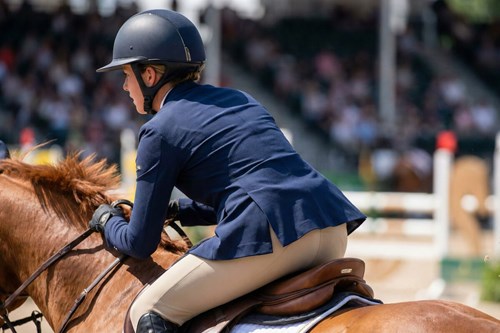
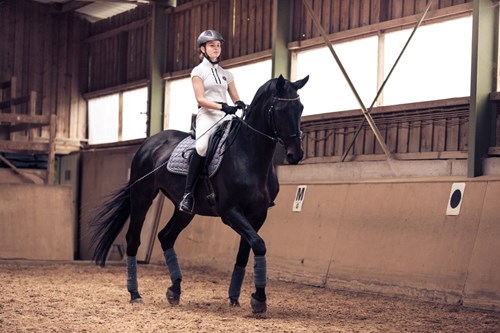
Rushing the Handling Basics under Saddle: Beginning riders often focus heavily on ridden work while neglecting essential ground manners and riding technique. Misunderstandings regarding leg aids, hand contact, or balanced seat positioning can confuse your horse. To correct basic riding errors and build clear communication in the arena, review our guide on 10 common horse riding mistakes and solutions for beginners.
The Power of Consistent Daily Care
Establishing a structured, attentive daily routine is the single most effective way to guarantee your horse's health and happiness. By prioritizing high-fiber nutrition, clean living conditions, regular grooming, and well-fitted equipment, you lay the groundwork for a safe, rewarding partnership.
As you build your routine, take time to learn your horse’s unique preferences and physical baselines. How do they react to different grooming brushes? How much water do they drink after a workout? How do they behave when turned out with herd mates? Paying attention to these subtle daily details will strengthen your management skills and deepen your bond with your horse.
By approaching horse ownership with patience, ongoing learning, and reliable equipment choices, you create a safe environment where both you and your horse can thrive together.
Editor’s Note: Keep an equine first-aid kit fully stocked and easily accessible in your barn aisle or tack room. Essential items should include sterile gauze, self-adhesive bandages, antiseptic wash, a flexible digital thermometer, wound ointment, and contact numbers for your local veterinarian and farrier.