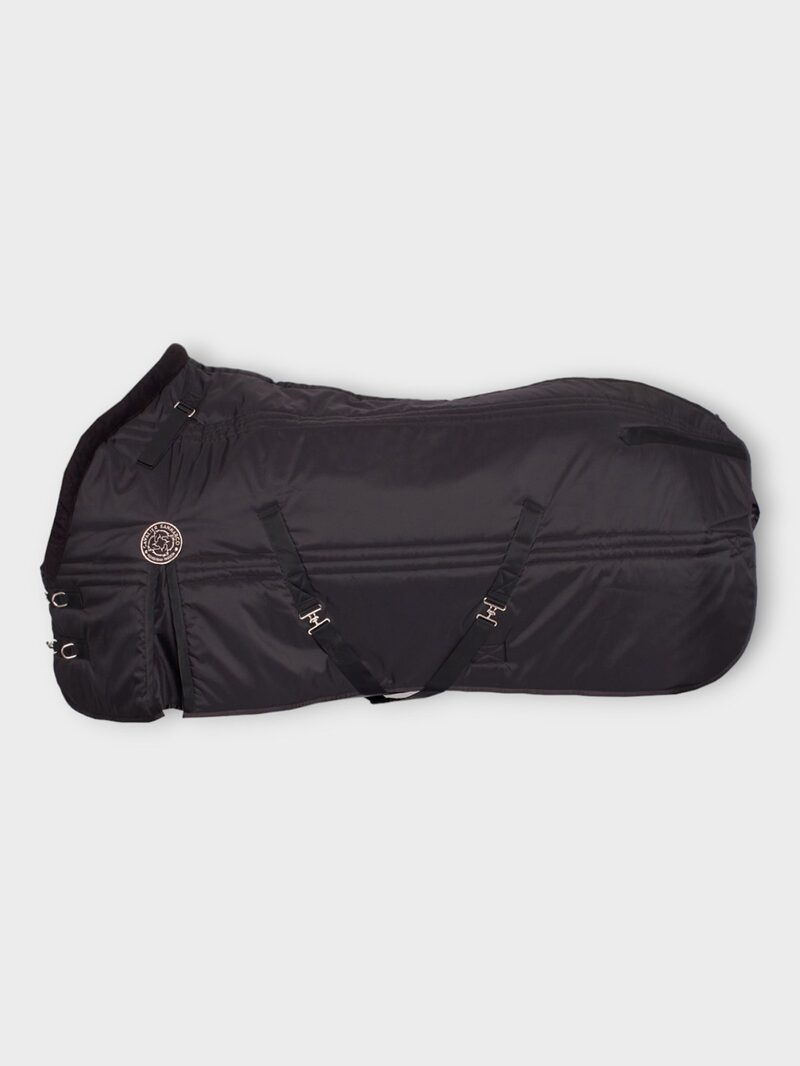
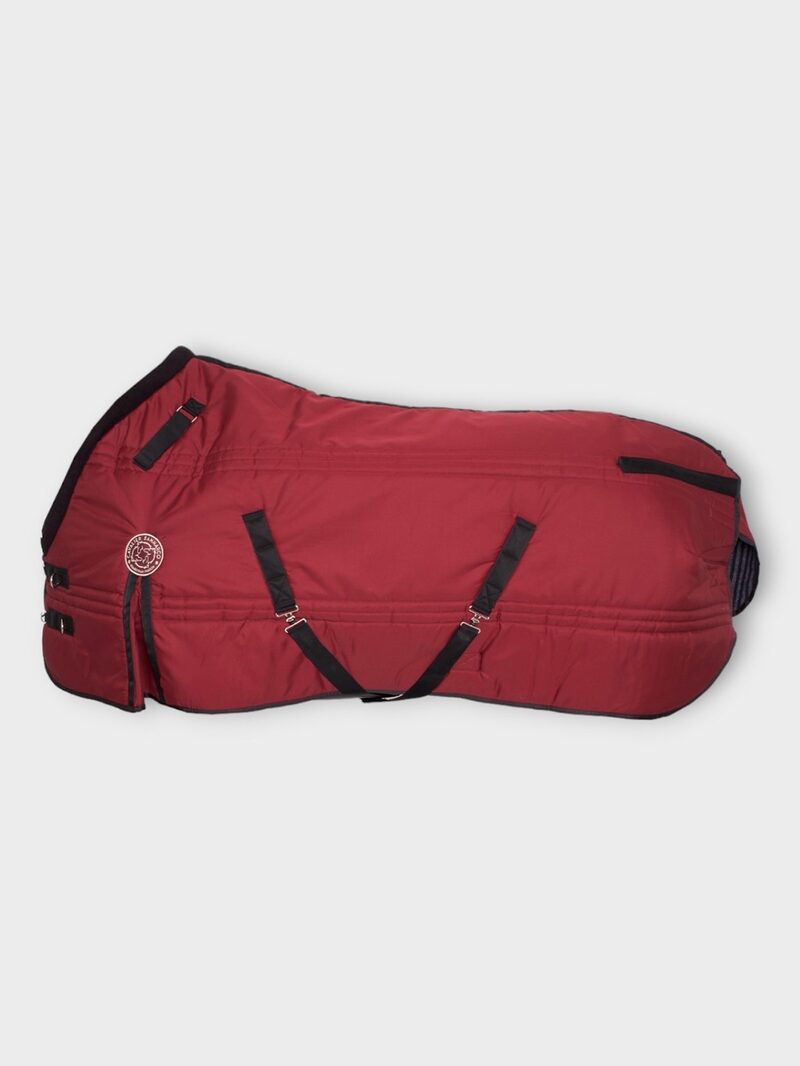
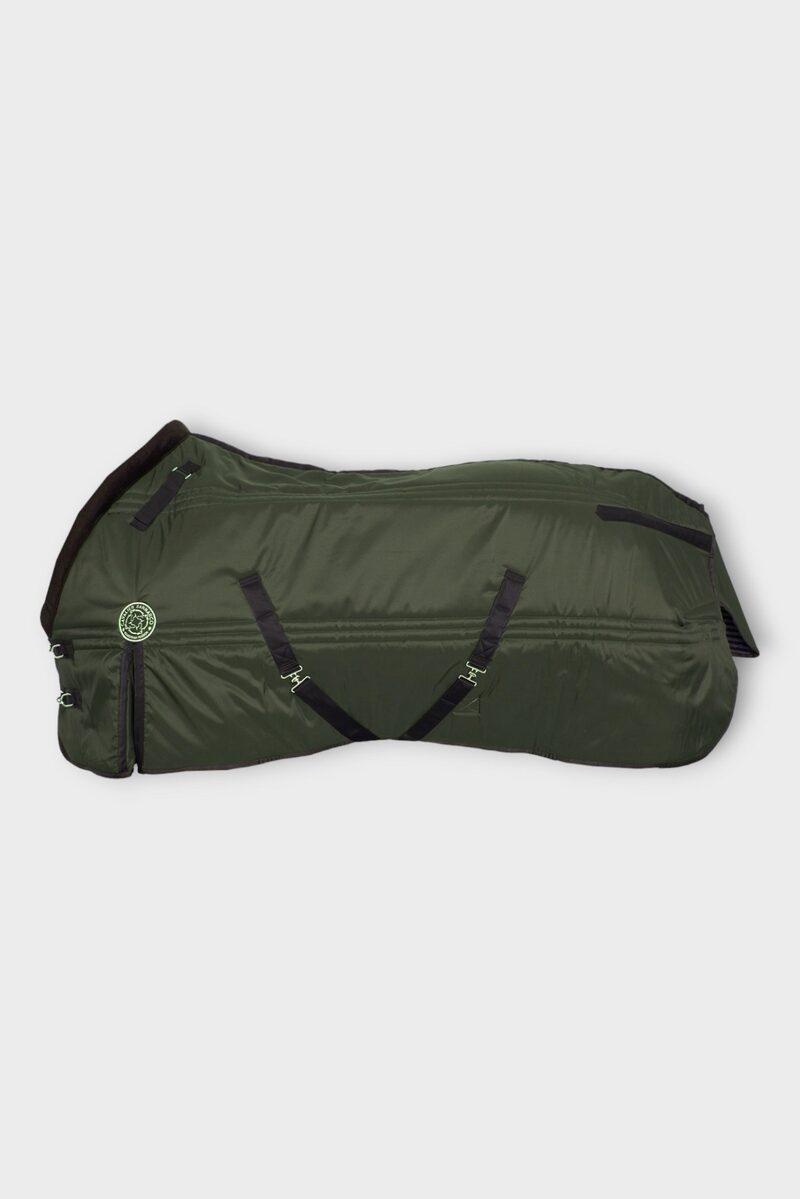
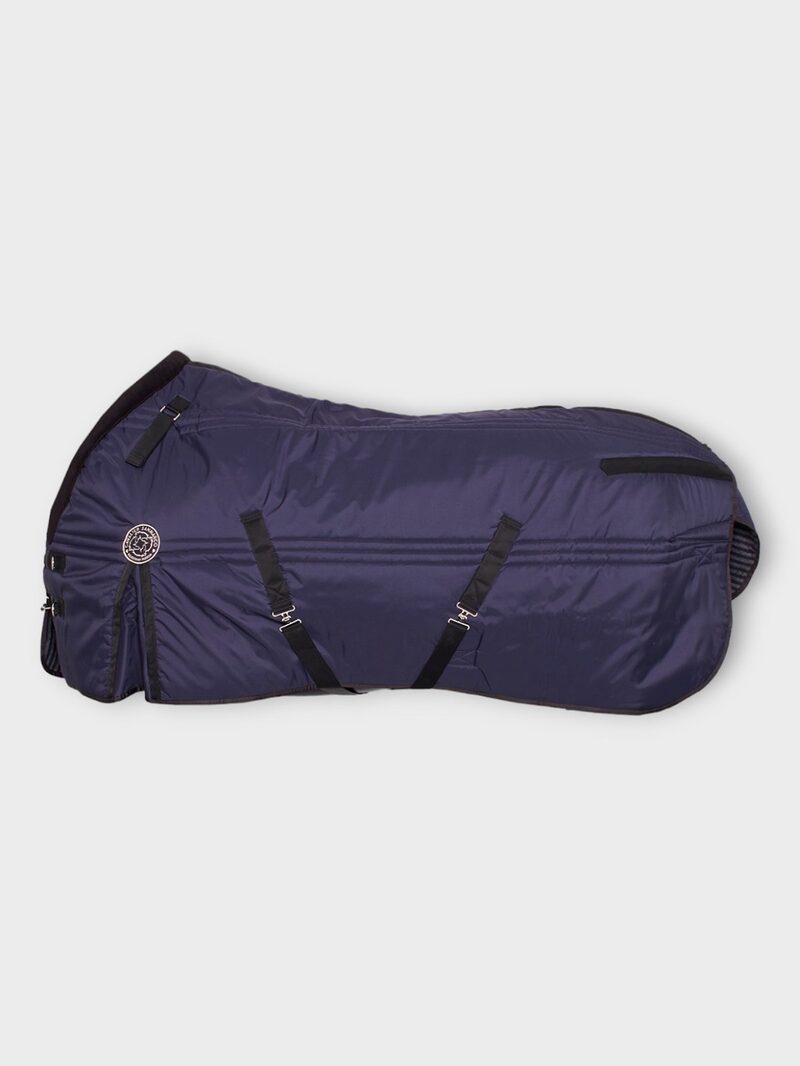
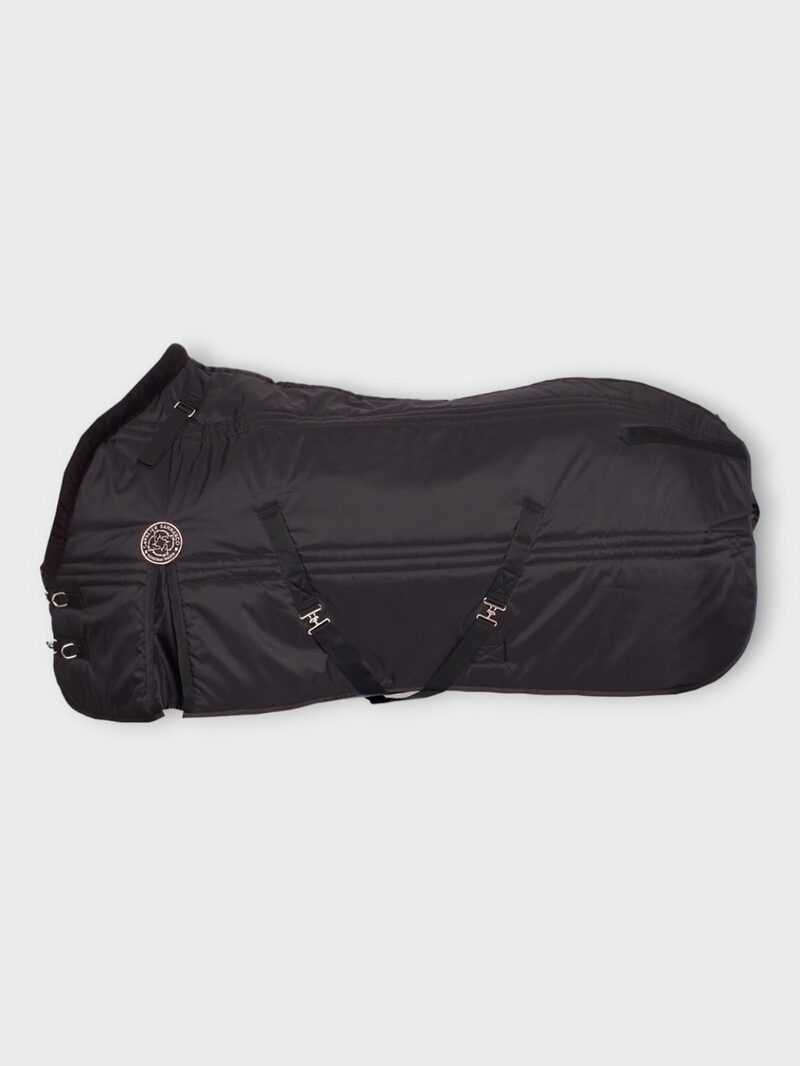
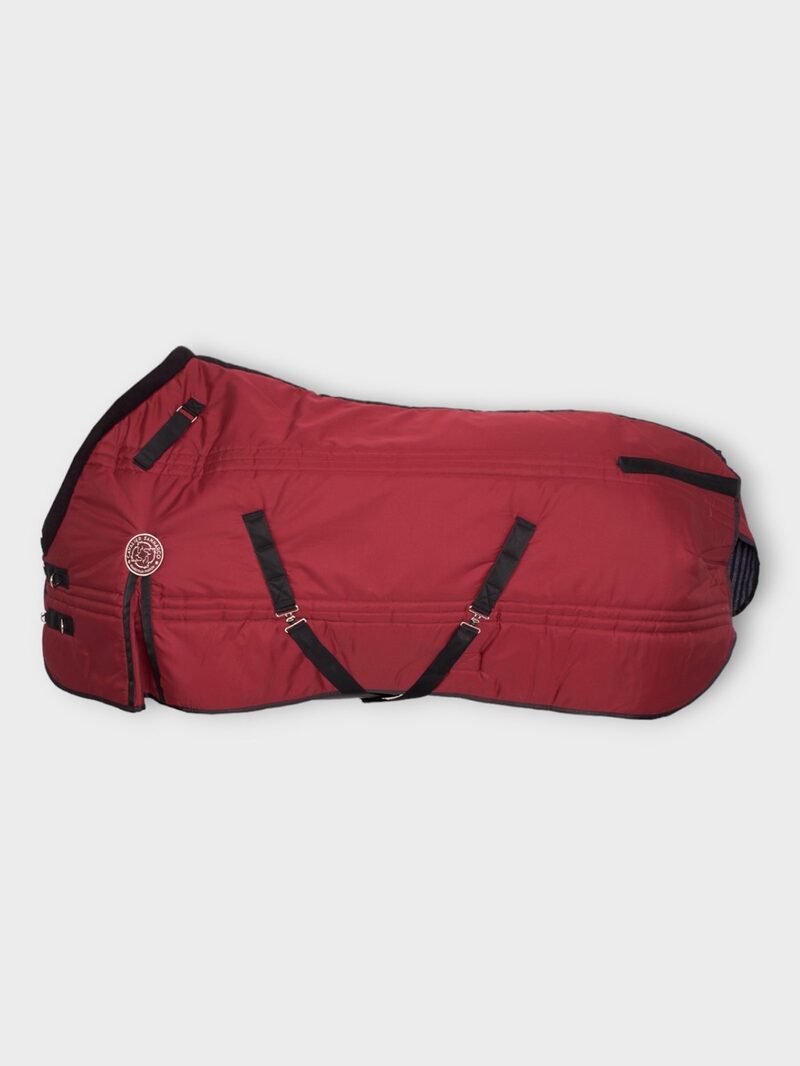
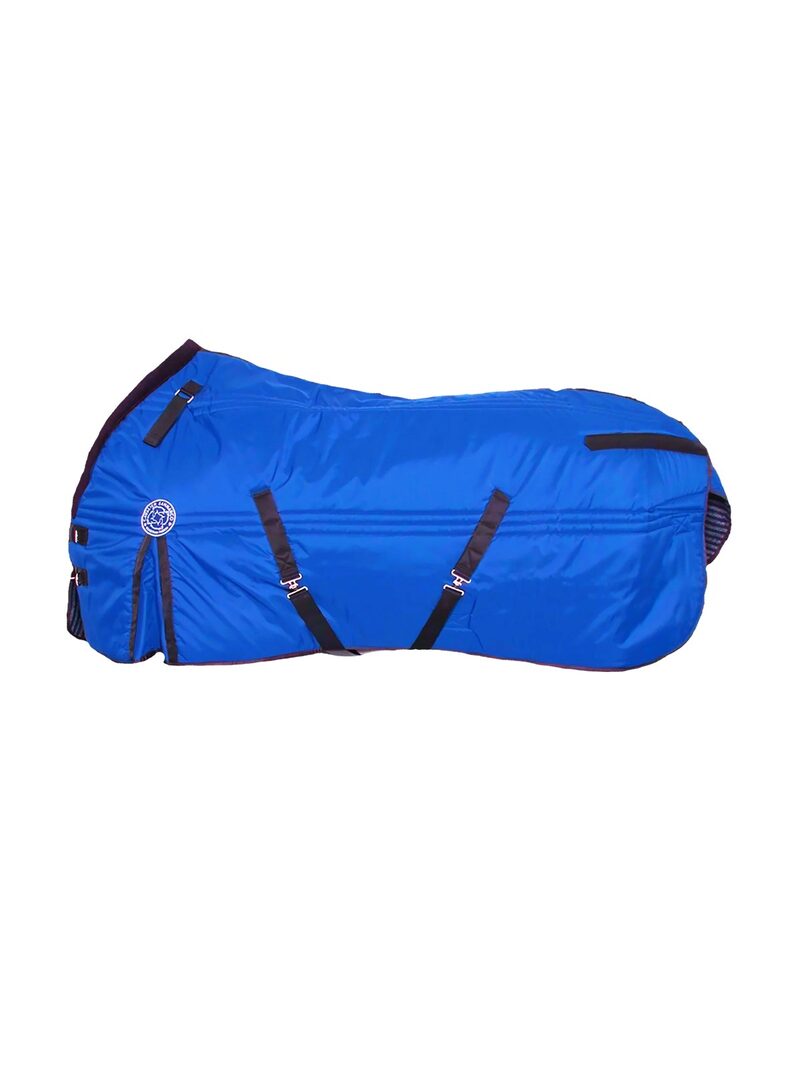
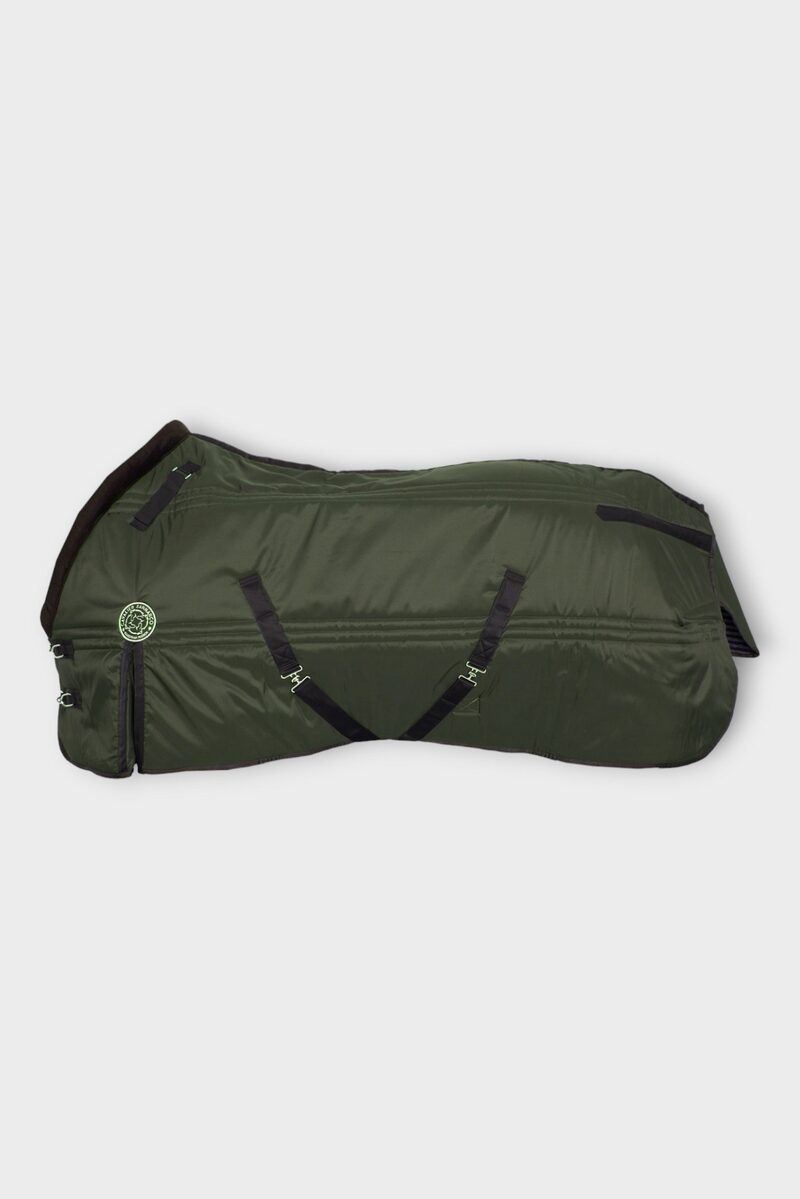
Pony vs Horse Blankets: What’s the Difference in Fit, Sizing, and Protection?

A widespread misconception in stable management is that pony blankets are simply scaled-down versions of standard horse blankets. While overall length is the most obvious distinction on a sizing chart, equine conformation dictates far more than basic measurements. Ponies possess distinctly different skeletal proportions, muscular density, neck-to-shoulder angles, and metabolic thermoregulation than full-sized riding horses. Putting a standard small horse rug onto a stout, deep-barrelled pony or forcing an oversized pony sheet onto a narrow, fine-boned young horse frequently leads to restricted shoulder rotation, painful wither pressure, and sliding surcingles.
As November introduces biting winds, damp frost, and fluctuating temperatures, selecting the correct cut and thermal weight becomes critical to equine comfort and athletic soundness. Whether you are outfitting a compact native breed from our specialized pony equestrian gear equipment selection or sourcing durable turnout protection within our horse equestrian gear equipment range, understanding the structural engineering behind each category prevents costly sizing mistakes.
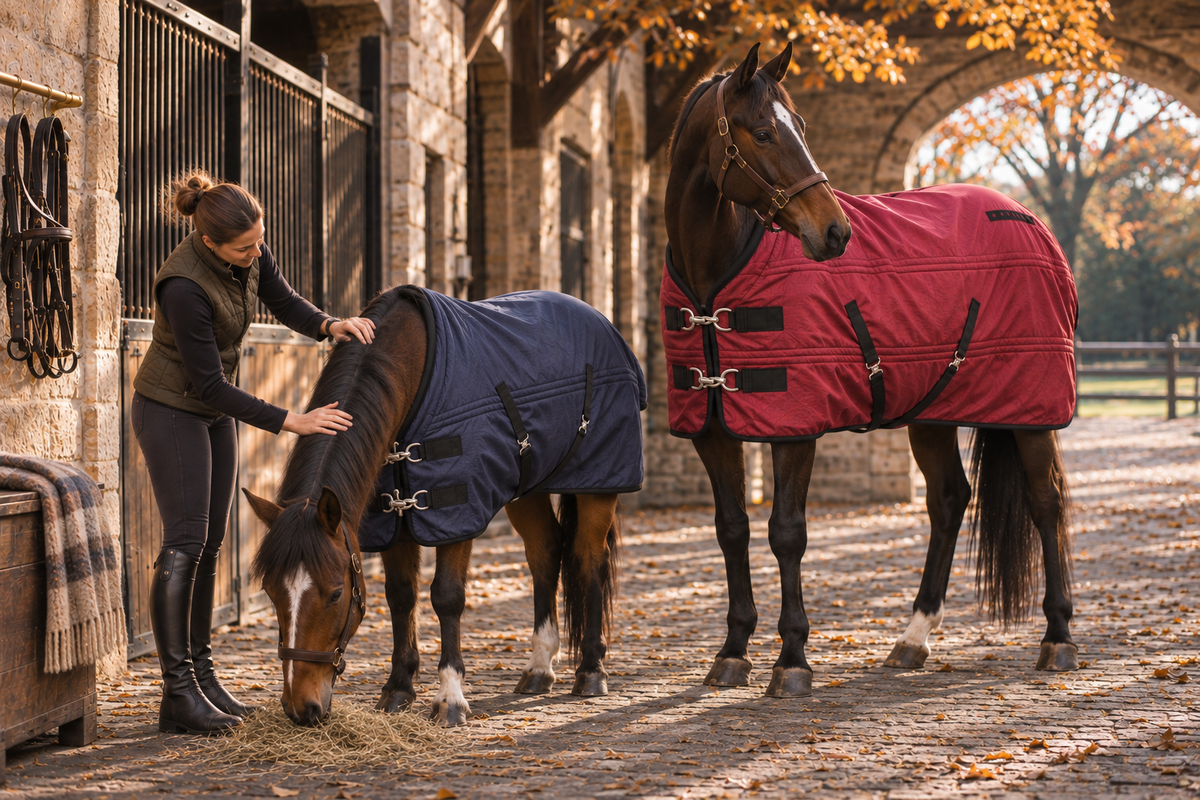
Pony vs Horse Blankets: Key Differences
Understanding the divide between pony rugs and horse blankets requires looking beyond simple height at the withers (the traditional 14.2 hands / 148 cm benchmark) and examining structural tailoring:
- Proportional Drop Depth: Ponies typically feature shorter legs relative to a round, deep barrel. A standard horse rug in a smaller length often hangs too low past the knees and hocks, creating a dangerous tripping hazard or collecting mud along the hem. Pony blankets feature a tailored, shallower skirt drop that clears the joints cleanly.
- Neck Opening and Shoulder Angle: Native and sport ponies generally carry thicker crests, lower-set necks, and broader, rounder shoulders than Thoroughbreds or Warmbloods. Pony rugs are engineered with wider, shorter neck cuts and deeper shoulder gussets to prevent the neckline from slipping backward and choking the windpipe.
- Hardware Scale and Surcingle Length: Heavy-duty brass buckles, oversized chest snaps, and long belly straps designed for a 600 kg horse add unnecessary bulk and weight to a 250 kg pony. Quality pony blankets use lighter, proportionally scaled hardware and shorter cross-surcingles so straps do not dangle dangerously near the hind legs.
- Natural Coat Density and Thermoregulation: Unclipped ponies grow substantially thicker, double-layered winter coats with high lanolin content compared to fine-skinned sport horses. Consequently, ponies often require lower fill weights for equivalent outdoor temperatures unless they are clipped or elderly.
| Feature | Pony Blankets | Horse Blankets |
|---|---|---|
| Typical Size Range | 85 cm – 125 cm back length (approx. 45" – 66" chest-to-tail) | 125 cm – 165 cm back length (approx. 69" – 87" chest-to-tail) |
| Skirt / Drop Depth | Shallower drop tailored to shorter leg length | Deeper drop to cover long ribs and upper legs |
| Neck & Chest Cut | Shorter neck length, wider chest allowance for thick crests | Longer neck line, higher wither profile for tall sport breeds |
| Hardware & Straps | Lighter buckles and shorter cross-surcingles | Heavy-duty reinforced hardware and extended surcingles |
Why Blanket Fit Matters for Ponies and Horses
An ill-fitting blanket is more than a cosmetic annoyance; it directly affects musculoskeletal health, circulation, and equine behavior.
- Wither Compression and Rubs: When a blanket's neck opening is too wide for a narrow-chested horse, gravity pulls the entire rug backward behind the withers. This concentrates constant downward tension directly onto the sensitive spinous processes of the thoracic vertebrae, causing painful pressure sores, hair loss, and defensive back hollowing under the saddle.
- Shoulder Restriction: A rug cut too tightly across the point of the shoulder blocks forward extension of the humerus. Over hours in the paddock, this mechanical restriction fatigues the brachiocephalicus muscle and causes friction rubs along the shoulder blades.
- Slippage and Stability Hazards: If belly surcingles are too long a frequent issue when putting a small horse rug on a compact pony the blanket shifts laterally when the animal lies down or rolls, risking entangled legs or torn straps.
How to Measure a Pony or Horse for a Blanket
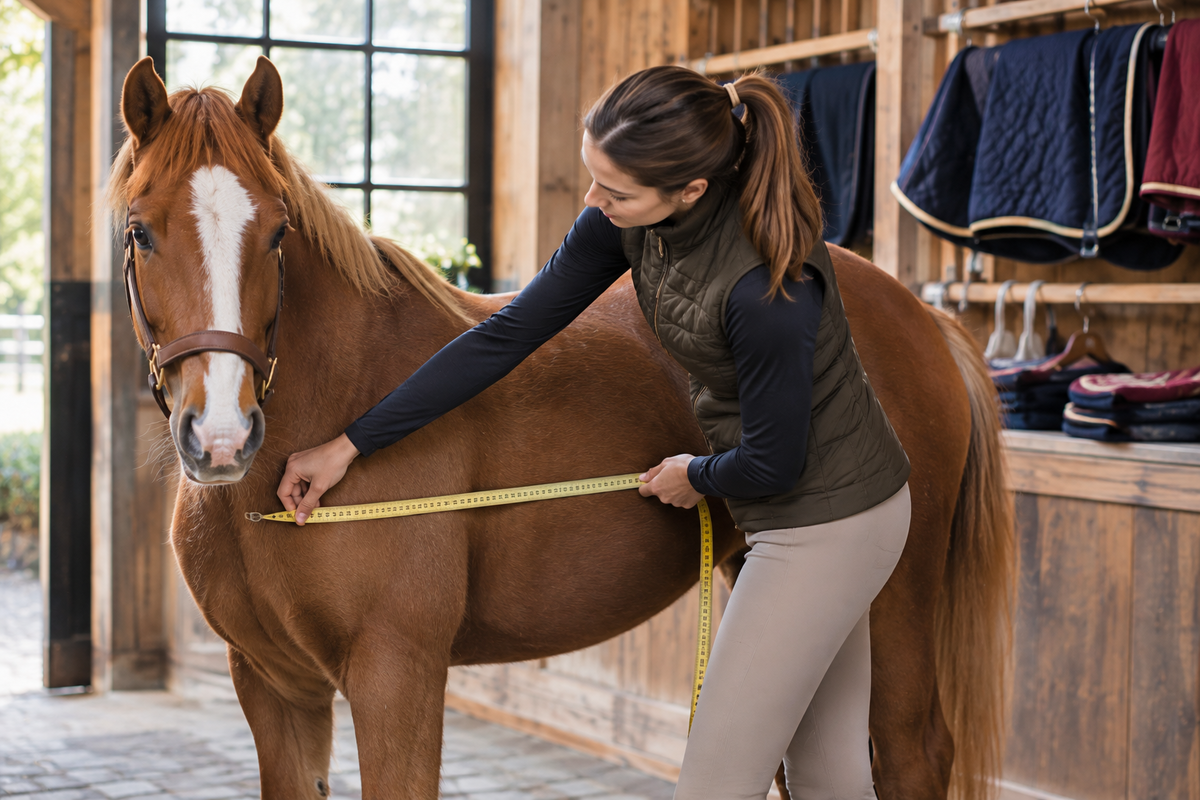
Never rely solely on your equine's height in hands or previous blanket labels, as breed conformation varies dramatically. Follow this exact measurement protocol using a soft fabric tape measure:
- Stand Square on Level Ground: Position your pony or horse squarely on a flat barn aisle so the spine is straight and the head is held in a natural, relaxed carriage.
- Locate the Center of the Chest: Place the zero end of the tape measure directly at the center point of the chest, where the two pectoral muscles meet at the base of the neck.
- Follow the Widest Contours: Run the tape horizontally back across the widest point of the shoulder, continuing smoothly along the barrel and over the widest curve of the hindquarters.
- Stop at the Edge of the Buttock: End the measurement at the rear edge of the hindquarter aligned vertically with the point of the buttock, just before the tail dock begins. Do not wrap the tape around the tailbone itself.
- Convert to Your Preferred Sizing Standard: European sizing measures along the back seam from just in front of the withers to the base of the tail (typically 85 cm to 165 cm), whereas UK/US sizing uses the full chest-to-tail circumference in inches or feet/inches. Always match your exact tape reading against the manufacturer's specific size chart.
Types of Pony and Horse Blankets Explained
Both pony and horse ranges span specialized textile constructions designed for distinct environments and training stages:
Fleece Coolers and Wicking Sheets
Constructed from high-density, moisture-wicking microfleece or technical knit blends, coolers are essential after winter workouts or baths. Capillary fibers draw damp sweat away from the skin to the outer fabric surface where it evaporates safely, preventing rapid muscle chilling in cold stable air.
Stable Blankets
Designed exclusively for indoor stall use, stable rugs feature breathable quilted outer shells typically 210D to 600D polyester paired with synthetic polyfill insulation (ranging from 100g to 400g). Because they lack waterproof coatings, they maximize airflow and prevent condensation buildup indoors, though they must never be worn in wet paddocks.
Waterproof Turnout Rugs
Engineered for outdoor protection against rain, sleet, and wind, turnout rugs utilize high-tenacity ripstop outer shells (600D to 1680D) treated with waterproof, breathable membranes and taped seams. They shield both clipped horses and damp-sensitive ponies from conductive heat loss in winter pastures.
Rainproof Exercise Sheets
Tailored with an ergonomic saddle cut-out, exercise sheets wrap around the rider's legs or sit beneath the saddle flaps during warm-up and wet-weather schooling. Combining a waterproof outer shell with a warm fleece lining, they keep sensitive lumbar and kidney muscles supple in freezing winds without overheating the shoulders.
Choosing the Right Blanket for Cold Weather
Selecting the appropriate fill weight (grammage) during November and throughout winter depends on physiological factors rather than body size alone:
- Clipped vs. Unclipped Coat: A full-clipped sport horse or competition pony loses its natural thermal barrier and typically requires a medium-to-heavyweight rug (200g–350g) when temperatures drop near freezing. Conversely, an unclipped native pony with a dense winter coat can comfortably regulate heat in a lightweight waterproof sheet (0g–100g) unless facing driving sleet.
- Age, Body Condition, and Metabolic Rate: Senior horses, hard keepers, and thin-skinned breeds (such as Thoroughbreds or Arabians) expend far more caloric energy staying warm than hardy ponies and benefit from earlier layering.
- Shelter and Turnout Environment: Horses turned out in exposed, wind-swept paddocks without run-in sheds lose heat rapidly through wind chill and require higher denier, heavier-fill protection than stabled animals in insulated barns.
Common Blanket Sizing Mistakes to Avoid
Even attentive owners occasionally overlook subtle fit details that compromise comfort and garment longevity
- Buying Based on Height Instead of Conformation: A 14.1 hh stocky Highland pony and a 14.2 hh refined riding pony may stand nearly the same height yet differ by two full blanket sizes due to chest breadth and barrel circumference.
- Ignoring Chest Closure Adjustability: Choosing a rug with single fixed buckles rather than multi-hole double front closures or hook-and-loop chest adjustments prevents fine-tuning the fit as your horse gains or loses winter muscle condition.
- Over-Blanketing Hardy Ponies: Putting a heavy 300g winter rug on an unclipped pony on a mild 8°C November afternoon traps excess heat, causing sweating beneath the rug that subsequently chills the animal when night temperatures drop.
- Leaving Excessively Loose Leg Straps: Cross-surcingles should allow roughly a hand's width (about 8–10 cm) of space between the strap and the belly snug enough to prevent hind-leg entanglement during rolling, yet loose enough to avoid skin pinching.
Taking the time to match anatomical proportions, measure accurately, and align thermal weights with your equine's coat and environment ensures every blanket performs as intended delivering unrestricted movement, reliable weather protection, and lasting comfort throughout the colder months.

Related Post

De quelle quantité d’eau un cheval a-t-il besoin en hiver ? Le guide essentiel de l’hydratation par temps froid
Découvrez de quelle quantité d’eau les chevaux ont besoin en hiver, pourquoi le froid peut affecter l’hydratation et comment encourager de bonnes habitudes de boisson pendant les mois les plus froids.