DESIGNED BY RIDERS, FOR RIDERS


Horse Rug Types and Features: The Role of Fleece, Stable and Turnout Models - Cavalier SanMarco
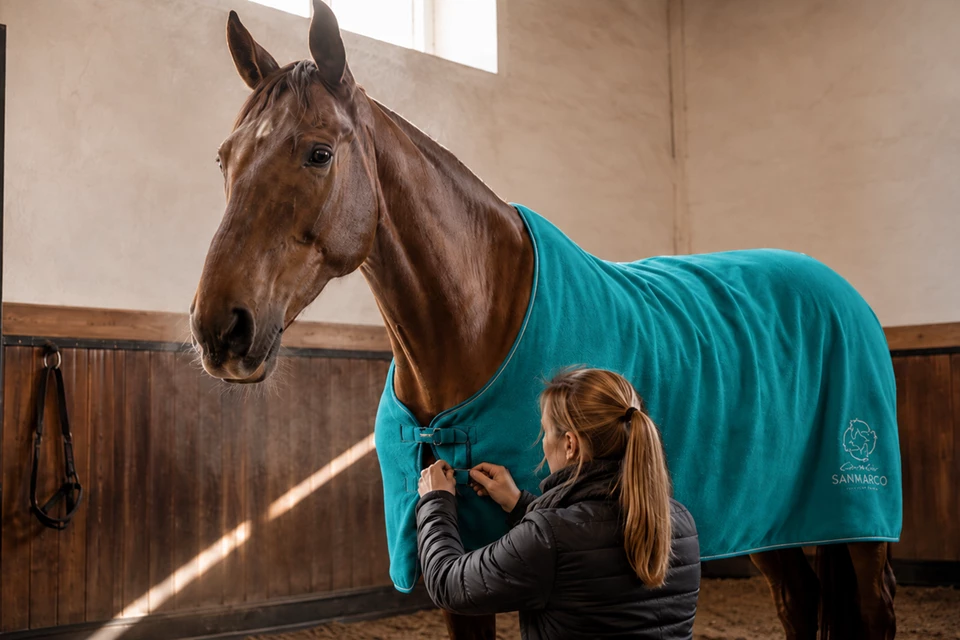
Protecting a horse’s health, body temperature and coat quality depends on using the right protective equipment, especially during seasonal changes, cold weather and post-training recovery periods. Known in the equestrian world as “horse rugs and blankets”, these protective layers are not just simple covers that keep a horse warm. When chosen correctly, they help prevent muscles from cooling too quickly, support moisture management, improve stable comfort and create a reliable barrier against wind, rain and mud outdoors.
Whether you own a sport horse in regular training or care for a leisure horse with a calmer routine, blanket selection should always be considered together with the horse’s daily lifestyle. How much time the horse spends in the stable, whether it is clipped or unclipped, the local climate, training intensity and turnout duration all shape the right decision. Because each horse rug type serves a different purpose; fleece, stable and turnout rugs are designed for different conditions.
By choosing a horse blanket with the right function, you can support both stable comfort and outdoor performance in a much safer and more balanced way.
Functional Protection: Fleece Horse Blankets and Their Uses
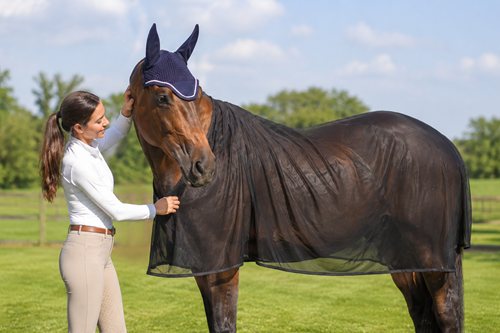
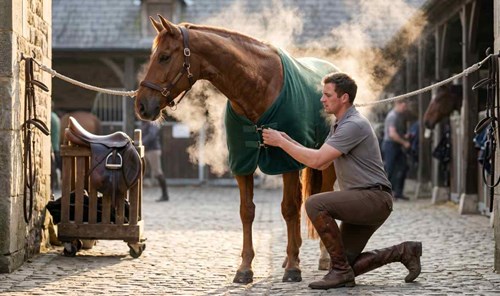
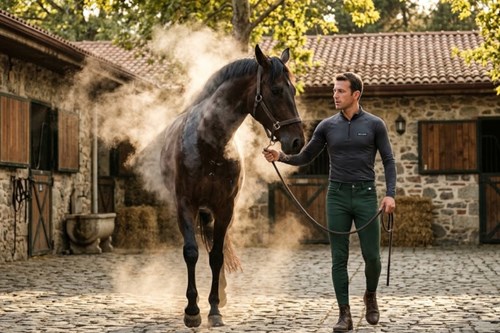
After training or during transport, the first step in protecting the horse’s muscle comfort is managing moisture correctly. A fleece horse blanket is one of the most practical and commonly used pieces in this process. Especially after intense riding sessions, exposing a sweaty horse to cold air can increase the risk of muscle stiffness and chill. This is exactly where fleece rugs come into play during those in-between moments.
Moisture-Wicking Drying Support: Fleece horse blankets help move moisture away from the horse’s body after training. By preventing sweat from staying on the skin for too long, they support a more balanced drying process. This is particularly important in cooler weather, because a damp back exposed to wind may cause the muscles to cool faster than they should.
Lightweight and Practical Use: Fleece fabrics are usually lightweight, so they do not add unnecessary weight to the horse’s back. They are very useful for short-term stable use, waiting periods after a competition or training session, and transport. On very cold days, they can also be used as an additional insulation layer under a suitable stable rug or outdoor blanket.
Post-Training Muscle Comfort: Muscles that have worked actively should not cool down too suddenly, as this may affect the horse’s willingness to move and overall suppleness the next day. For this reason, a fleece blanket should not be seen only as a “drying” layer, but as functional equipment that supports recovery. Reducing heat loss around the back, loin and hindquarter area helps the horse rest more comfortably after work.
Indoor Comfort: Stable Rug Features
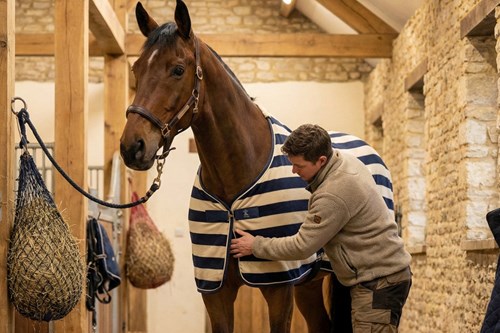
In the stable environment, where horses often spend a large part of the day, they need protective layers that keep them warm without blocking air circulation completely. This is where stable rug models stand out. Stable rugs are not designed for harsh outdoor conditions; they are mainly intended to help maintain a steady body temperature in enclosed spaces.
Different Filling Options: Stable rugs are usually produced with different fill weights. Lightweight models can be preferred during seasonal transitions, while medium and heavier filled options may be more suitable for colder winter days. The key point here is not to overheat the horse. A rug that is too thick may cause sweating inside the stable, which can then lead to chilling afterwards.
Breathable Indoor Structure: Quality stable rug models help balance the horse’s body temperature while offering breathability. This feature becomes even more important for clipped horses. A horse with a shortened coat loses part of its natural insulation, so it needs more controlled protection inside the stable.
Suitable for Sheltered Use: Stable rugs generally do not have a waterproof outer layer. For this reason, they should not be used in rain, snow or very damp outdoor conditions. They may be suitable for short transport periods or protected area transitions, but they are not the right choice for long-term outdoor protection. Horses going outside should be protected with waterproof and windproof models such as turnout rugs.
Outdoor Durability: Maximum Protection with a Turnout Rug
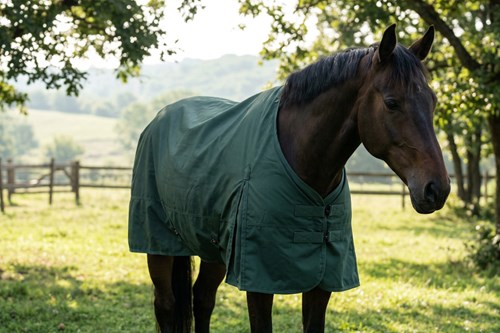
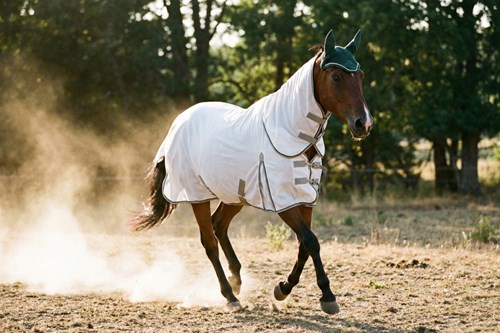
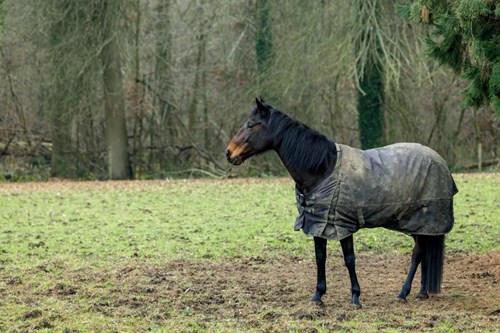
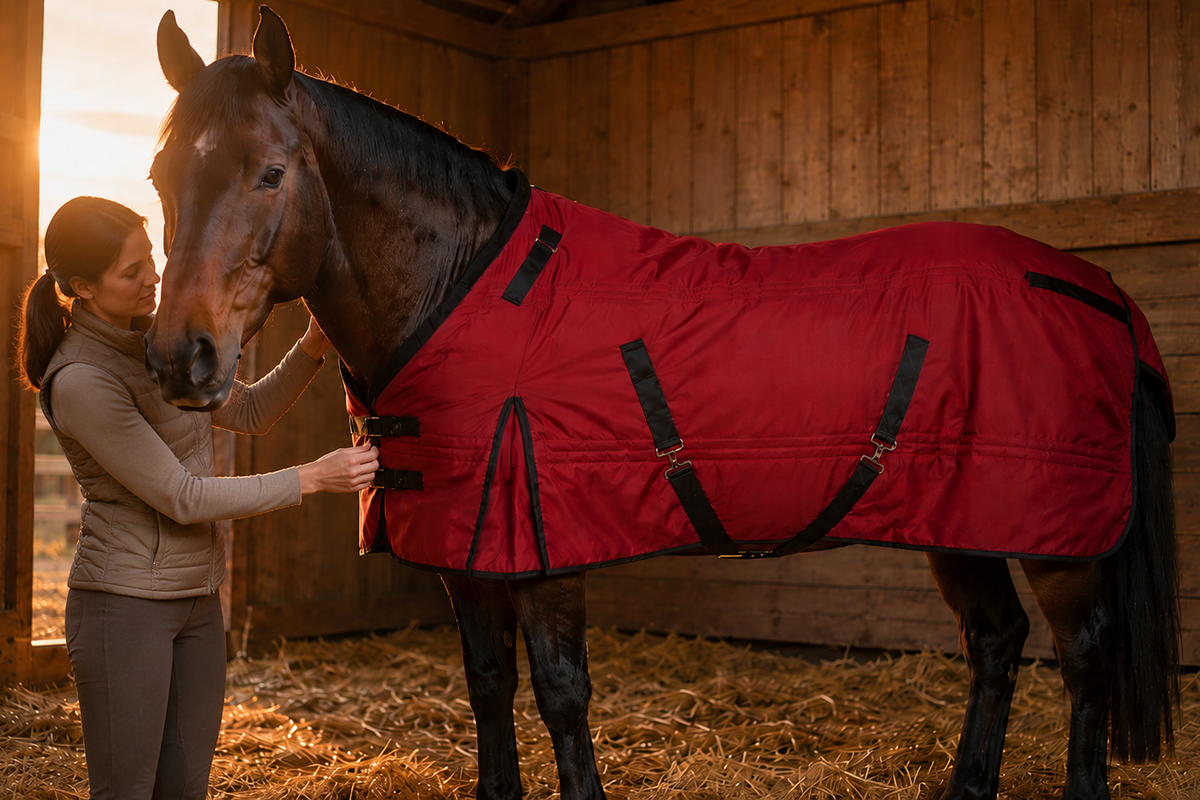
Protecting horses from rain, mud and strong wind while they move freely in the paddock, pasture or open field is an important part of overall health management. Outdoor conditions can be changeable and sometimes quite demanding. This is why a turnout rug differs from other blanket types with its durability and weather-resistant protection.
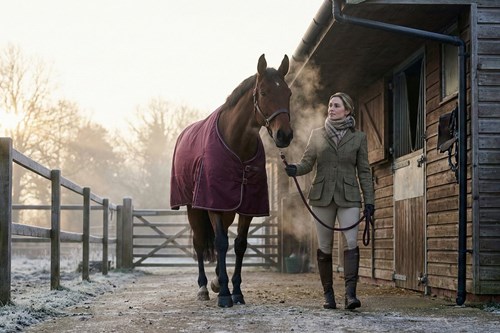
Waterproof and Windproof Outer Layer: Turnout rugs are designed with special outer fabrics that protect against rain and wind. A high-denier fabric structure helps the blanket resist tearing and friction. When the horse walks, rolls or interacts with other horses in the paddock, it is important that the rug keeps its shape and function.
Anatomical Freedom of Movement: A well-designed turnout rug should not restrict the horse’s shoulder movement, neck extension or grazing position. Shoulder gussets, tail flaps, cross surcingles and adjustable front closures support both secure fit and freedom of movement. The horse should not feel trapped inside the rug; this is a critical detail for both comfort and behavior.
Choosing the Right Thickness for the Climate: Outdoor blankets are also available in different fill weights. Lightweight options may be enough for cool and rainy days, while heavier filled models can be preferred in cold and windy winter conditions. However, the horse’s coat type, clipping status and the real weather conditions of the region should always be taken into account. To discover durable and anatomical designs suitable for your horse’s needs, you can explore our horse equestrian gear and equipment collection.
Trust the Power of the Right Blanket Routine
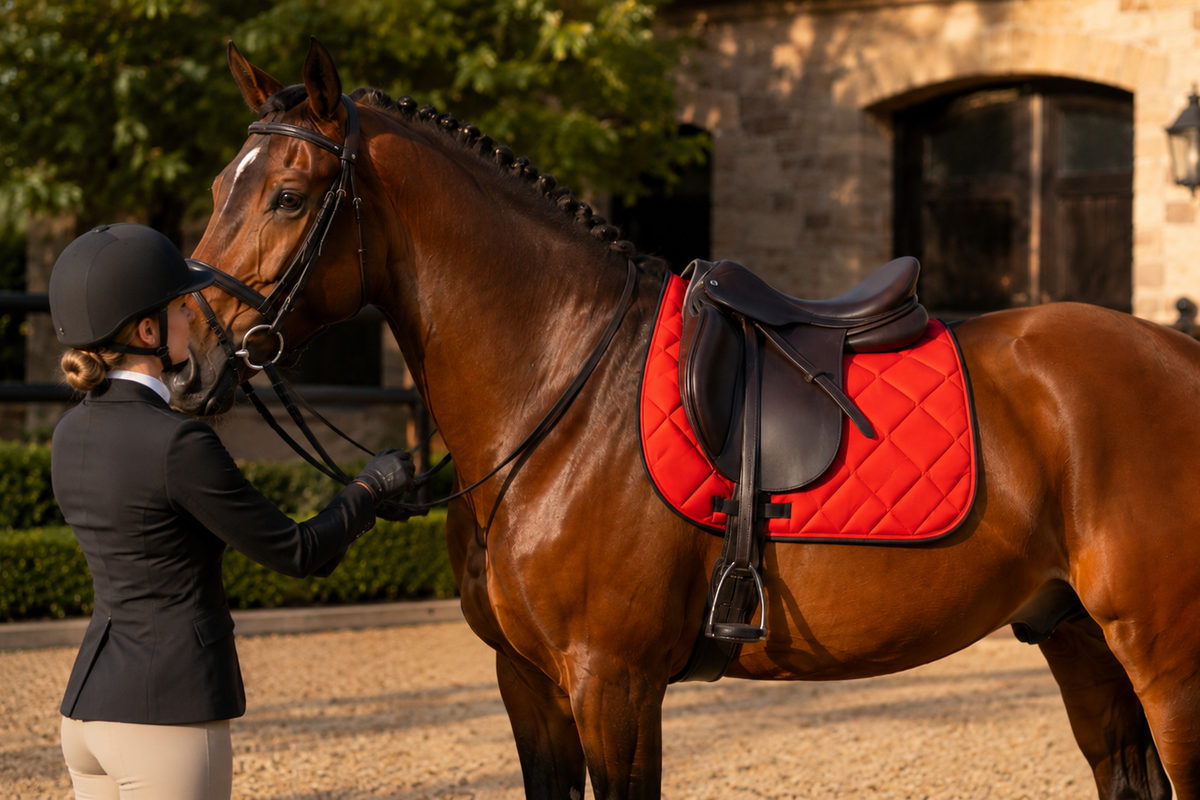
Finding the right balance between different horse blanket types directly affects your horse’s comfort in the stable and safety outdoors. A fleece horse blanket that moves moisture away after training, a breathable stable rug for indoor comfort and a waterproof turnout rug for open-air protection create a strong trio in horse care.
When making these choices, it is important to look not only at the temperature, but also at the horse’s daily routine. Is the horse clipped? Does it train intensely? Does it spend long hours in the paddock? How cool is the stable environment? How much rain and wind does your region usually get? The answers to these questions are the most reliable guide when choosing the right blanket weight and model.
By selecting a blanket that suits your horse’s anatomy, coat structure and climate conditions, you can improve daily comfort while supporting long-term health. Small equipment choices that may seem simple at first can actually make a significant difference in everything from performance to recovery.
Editor’s Note: To prevent the blanket from twisting, slipping backwards or causing friction-related sores, make sure the front closures, leg straps and cross surcingles are adjusted symmetrically. Also, to preserve the waterproof performance of outdoor blankets, it is important to use special technical detergents during washing and follow the manufacturer’s care instructions.