DESIGNED BY RIDERS, FOR RIDERS


Equestrian Breeches Guide: How to Choose the Right Riding Breeches for Your Discipline - Cavalier SanMarco
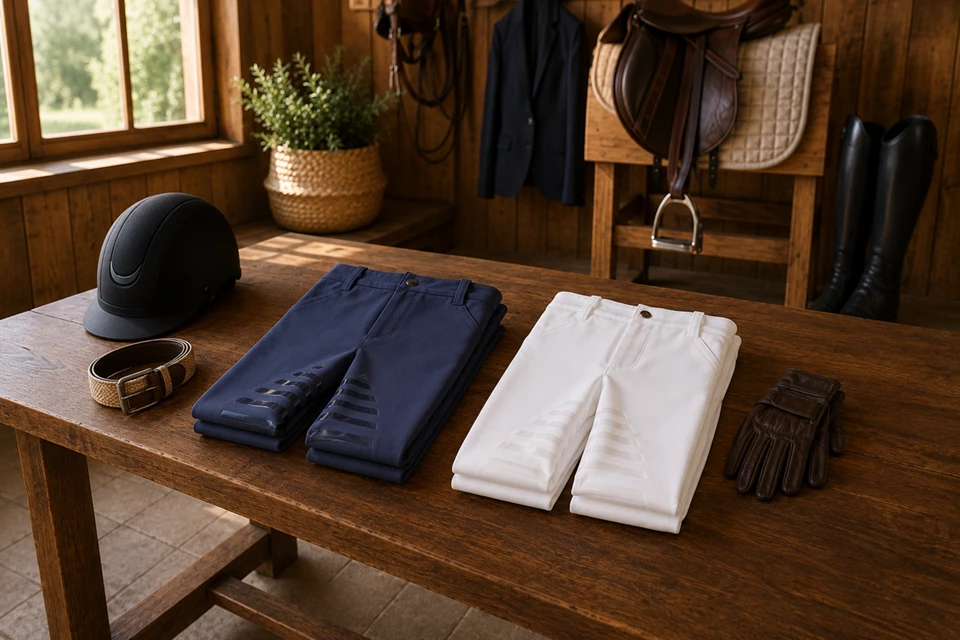
Finding the ideal pair of riding breeches is one of the most critical gear decisions an equestrian can make. As the primary point of contact between your body and the saddle, your breeches directly influence your seat stability, leg position, skin comfort, and overall freedom of movement. Modern equestrian apparel has evolved far beyond traditional cotton trousers; today's performance designs integrate advanced textile engineering, targeted grip patterns, and discipline-specific tailoring to meet the demands of serious riders.
Whether you are navigating high-level dressage tests, jumping technical courses, or spending long hours training in the summer heat, choosing the right breech construction is essential. Factors such as waist rise, panel stitching, fabric elasticity, and grip material all dictate how a garment performs under pressure. Because different equestrian disciplines demand unique levels of friction and flexibility, matching your apparel to your riding style ensures optimal comfort and peak athletic performance.
By understanding the key structural features and technical innovations in modern riding wear, you can confidently select the perfect breeches tailored to your discipline, body type, and seasonal needs.
Full-Seat vs. Knee-Patch: Which Grip Type Do You Actually Need?
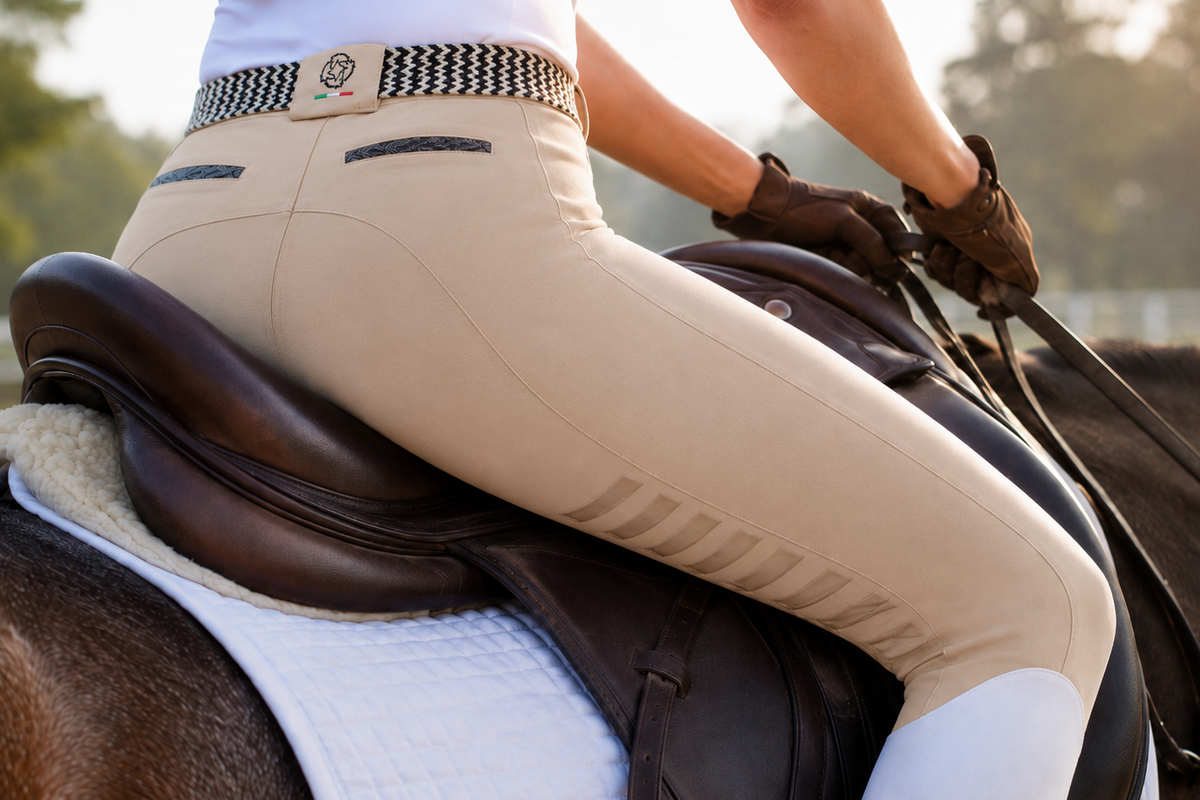
The distinction between full-seat and knee-patch breeches represents the most fundamental choice in equestrian legwear. Each design offers a distinct level of security and mobility in the saddle, making your choice largely dependent on your riding discipline, saddle structure, and personal seat preference.
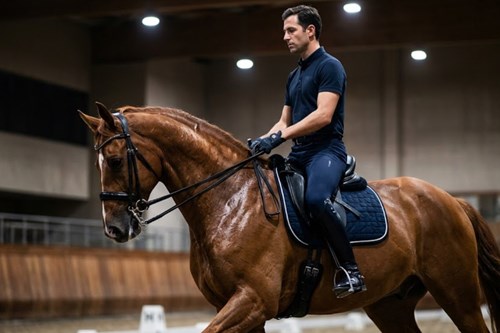
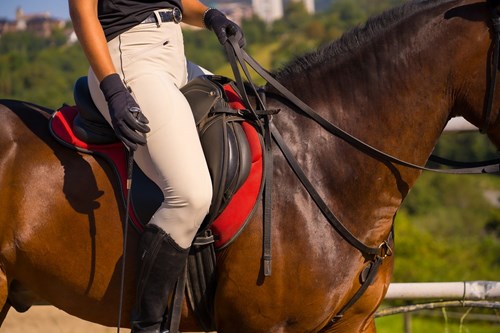
Full-Seat Breeches for Maximum Saddle Security: Full-seat designs feature grippy material covering the entire contact area stretching from the inner thighs, across the seat, and down to the inner knees. This design maximizes friction against the saddle leather, anchoring the rider’s seat deeply into the saddle. Full-seat models are the industry standard for dressage riders, who require a still, deep, and continuous connection to effectively communicate subtle seat aids during sitting trot and complex lateral movements.
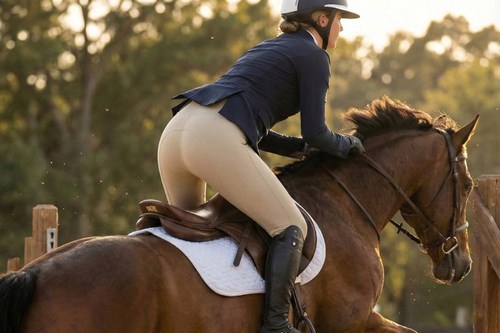
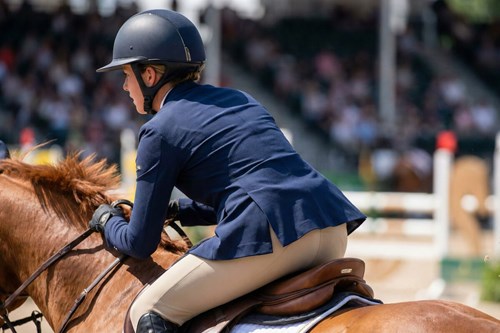
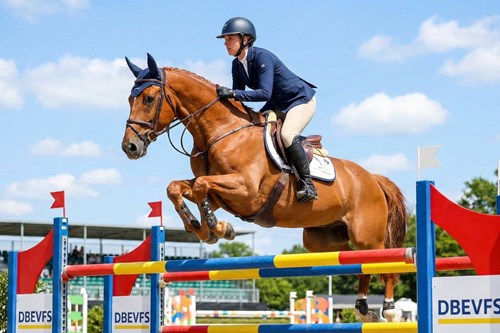
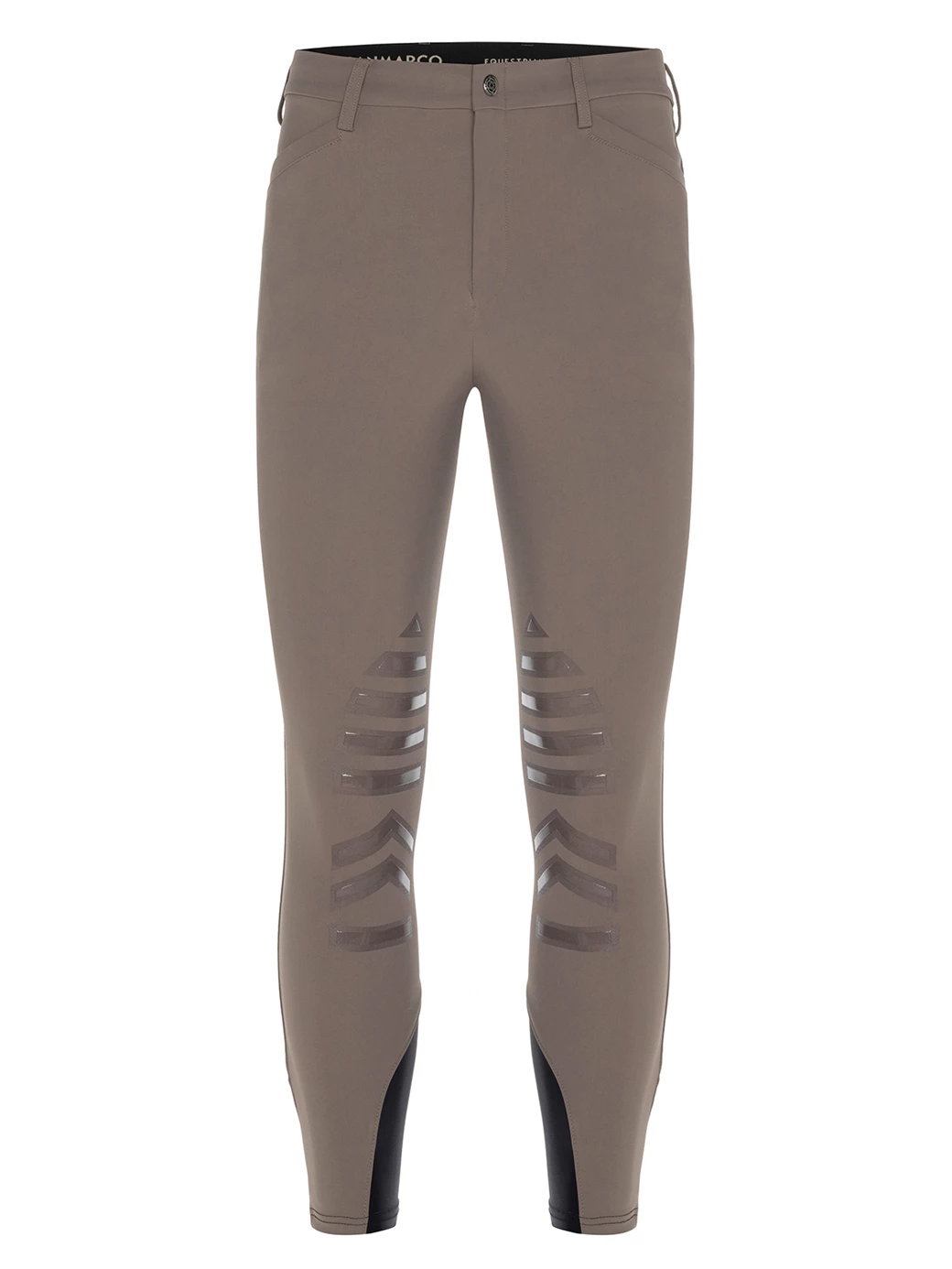
Knee-Patch Breeches for Mobility and Freedom: Knee-patch breeches feature reinforced grip panels strictly along the inner knee area, leaving the seat and upper thigh uninhibited. This layout provides strategic stability at the knee pivot point while allowing the rider's seat to move freely in and out of the saddle. Knee-patch models are preferred by hunter, jumper, and equitation riders who spend significant time in two-point or half-seat positions over fences, where unrestricted seat mobility is essential.
Choosing Based on Riding Goals: If you struggle with sliding in the saddle or ride horses with powerful, bouncy gaits, full-seat breeches offer comforting security. Conversely, if you feel restricted by full coverage or frequently jump and ride cross-country, knee-patch designs deliver the lightweight flexibility required for dynamic body adjustments.
Fabric Technology: What to Look for in Summer Breeches
Riding in hot, humid summer conditions presents significant challenges for skin integrity and temperature control. Traditional heavy fabrics can trap heat and moisture, leading to painful chafing, sweat accumulation, and fabric sagging. Modern summer riding breeches utilize high-tech textile blends designed to regulate microclimate temperature while maintaining structural compression.
Four-Way Stretch and Shape Retention: High-performance summer breeches are constructed from advanced synthetic blends incorporating premium elastane or Spandex woven with durable nylon or microfiber. True four-way stretch allows the fabric to expand and contract fluidly with every stride, jump, and mounting motion without binding across the hips or knees. Superior shape retention ensures the garment maintains its supportive, tailored fit without bagging at the knees after hours in the saddle.
Moisture-Wicking and Rapid Drying: Summer performance fabrics feature specialized cross-section fibers that pull sweat away from the skin and transport it to the garment's outer surface for fast evaporation. Keeping the skin dry prevents tissue softening, which is the leading cause of friction sores and saddle rubs. Additionally, many warm-weather textiles feature antibacterial treatments to prevent odor-causing bacteria from building up during intensive training days.
UV Protection and Breathability: Ultraviolet radiation penetrates standard lightweight clothing, posing a risk during long outdoor riding sessions. Technical summer breeches often incorporate built-in UPF 50+ solar protection to shield vulnerable skin. Lightweight mesh ankle cuffs and micro-perforated side panels further enhance airflow inside tall boots, keeping your lower legs cool and comfortable.
Silicone Grip vs. Suede vs. No-Grip: Performance Differences Explained
The material used for the grip panels determines how the breeches interact with your saddle leather. Over the past decade, material innovations have expanded options from traditional natural suede to high-performance silicone polymer prints.
Silicone Grip Technology: Silicone grip has revolutionized modern equestrian apparel. Applied in targeted geometric patterns, dots, or subtle branding motifs, silicone provides an exceptionally high-friction hold against smooth leather. It delivers superior stickiness without adding bulk or stiffness to the fabric. Modern silicone formulas remain flexible in extreme hot or cold temperatures and are engineered to withstand repeated machine washings without peeling or cracking.
Traditional Faux Suede and Leather: Synthetic suede patches offer a classic aesthetic with moderate, natural friction. Suede provides a smoother, less aggressive connection than silicone, allowing the rider to make micro-adjustments in the saddle without feeling stuck. While durable, suede panels can feel slightly stiffer and thicker, requiring a short break-in period to achieve maximum flexibility.
Un-Grated or No-Grip Options: Breeches without specialized grip panels rely entirely on the natural texture of the woven fabric. While less common in modern performance riding, non-grip options are favored by some traditionalists and leisure riders who prefer total freedom of seat movement without any external stickiness.
How Breeches Should Fit: Waist, Rise, and Length Guide
Achieving a precise fit is not just a matter of style it directly impacts your comfort, posture, and athletic performance. Breeches that bind at the waist or pull down during movement distract the rider and compromise seat alignment.
Understanding Waist Rise Options: High-rise breeches sit at or slightly above the natural waistline, providing excellent core support and preventing the waistband from slipping down when leaning forward over jumps. Mid-rise breeches sit comfortably on the hips, offering a versatile fit for various body shapes. Low-rise options sit lower on the hips, though riders should ensure they provide adequate coverage when seated in the saddle.
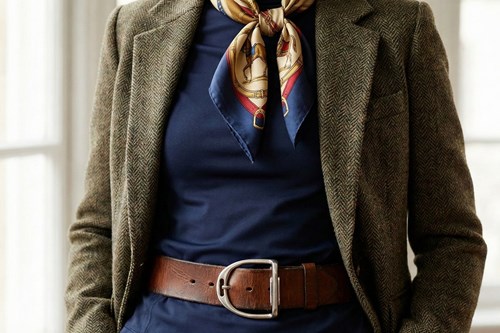
Waistband Security and Belt Loops: A wide, structured waistband lined with subtle internal grip prevents your riding shirt from untucking during movement. Wide belt loops are essential for accommodating classic leather equestrian belts, which help stabilize the waistline and complete a polished turnout for competition.
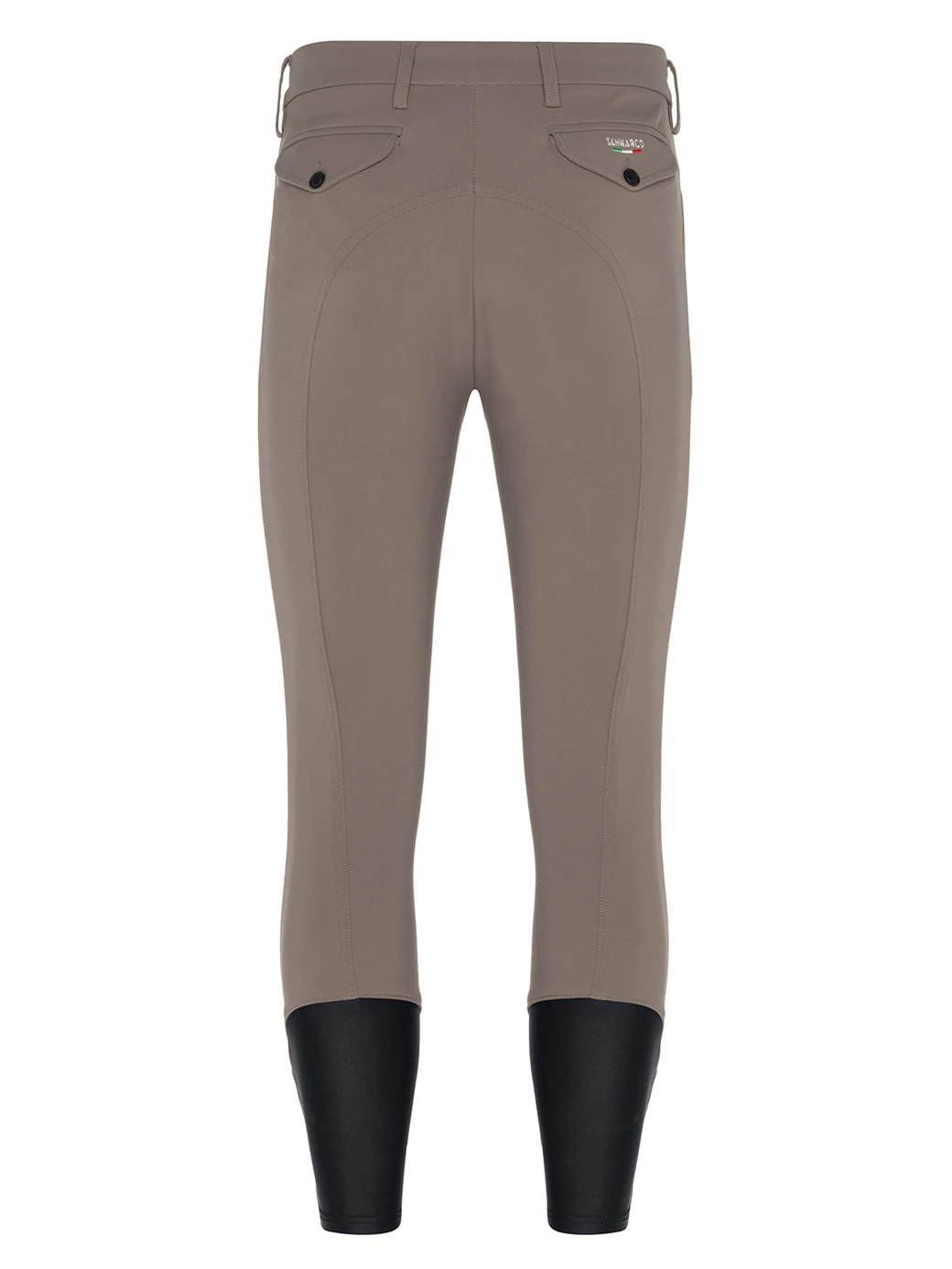
Inseam Length and Ankle Closure: The hem of your breeches should end just above the ankle bone. Excess fabric around the ankle creates painful pressure points inside fitted tall boots or half chaps. Modern breeches feature ultra-thin, elasticized sock bottoms or mesh ankle cuffs that contour smoothly around the lower leg, eliminating bulky Velcro closures of the past.
Discipline-Specific Choice: Dressage, Show Jumping & Everyday Training
Equestrian governing bodies maintain specific dress codes for formal competitions, while daily schooling allows for broader functional variation. Understanding discipline requirements ensures you look professional and adhere to regulation standards.
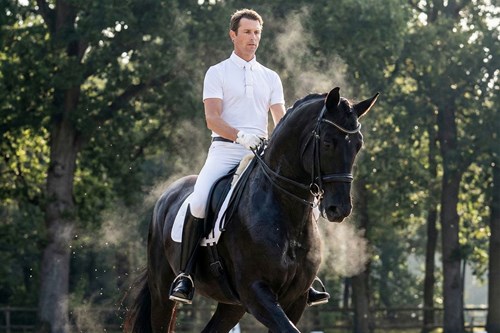
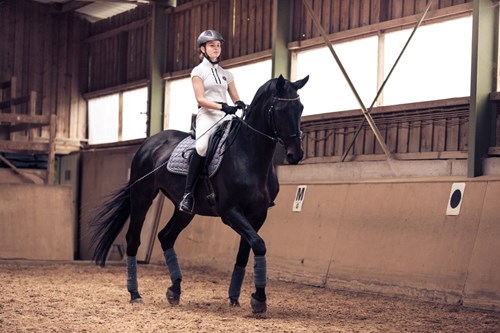
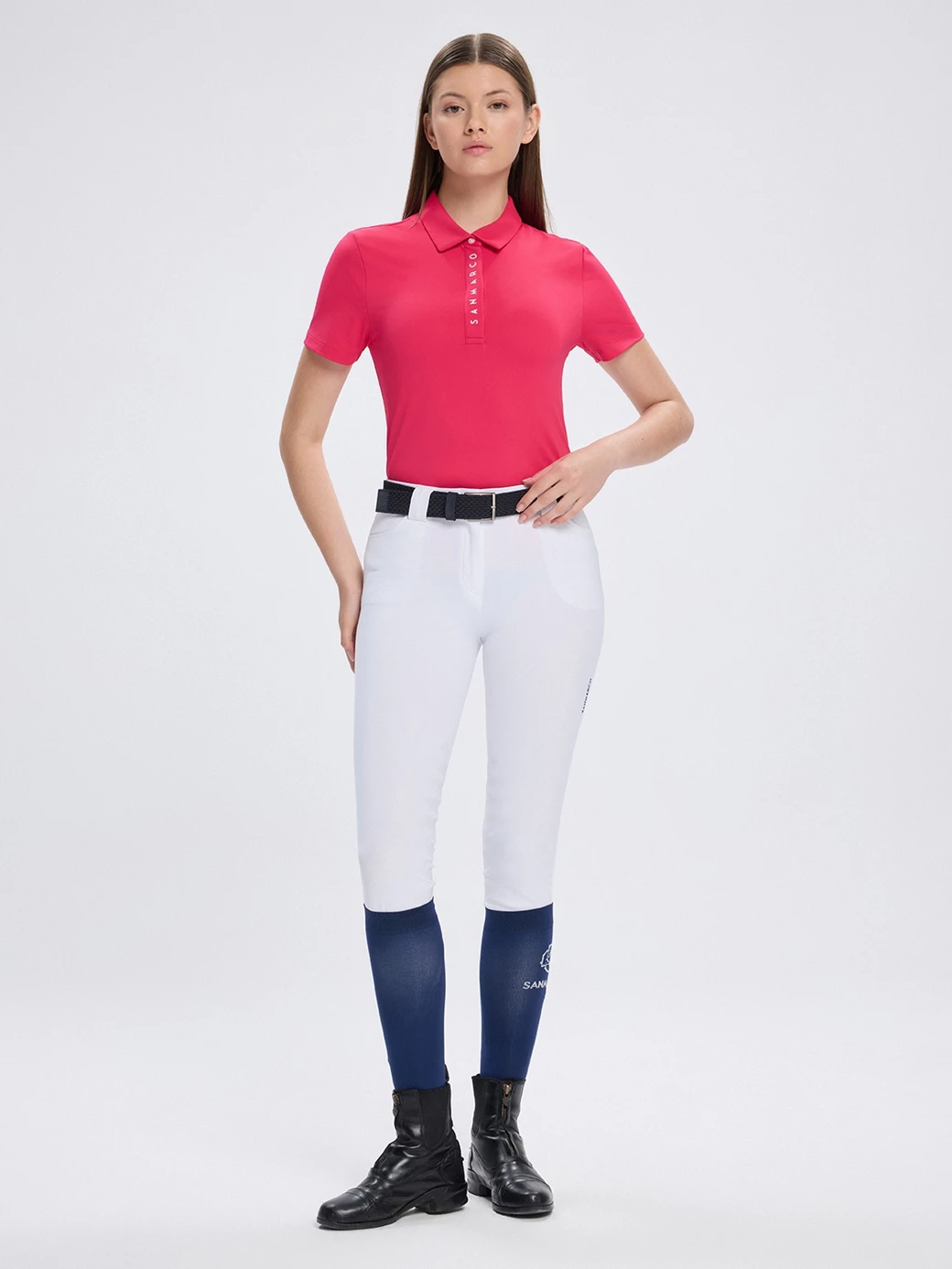
Dressage Requirements: Formal dressage competitions generally require white or off-white breeches for upper levels, while lower levels allow dark or neutral tones. High-waisted, full-seat breeches with subtle silicone grip are preferred to support an upright, elegant posture and deep saddle contact.
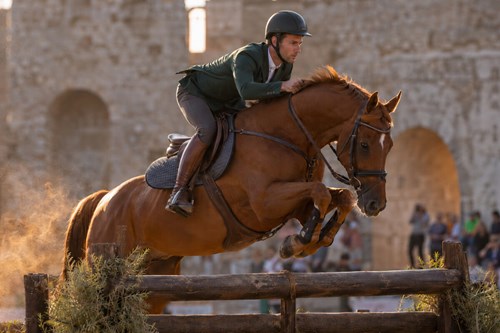
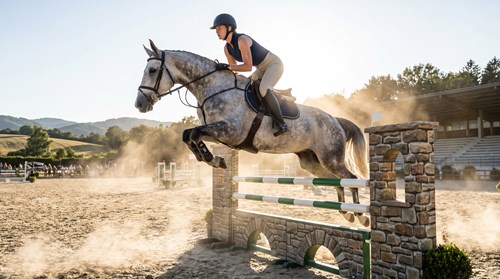
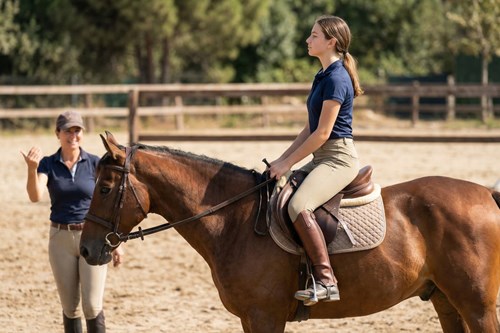
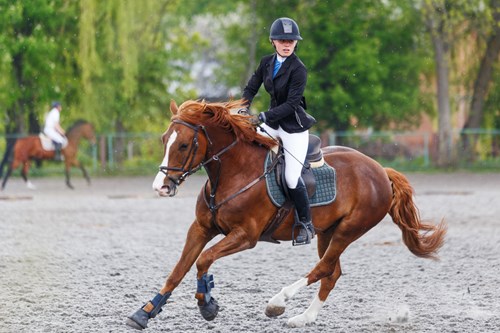
Show Jumping and Hunter Disciplines: Show jumping and hunter/equitation rings demand classic aesthetics combined with high mobility. Hunter classes typically require traditional tan, beige, or sand-colored knee-patch breeches. Show jumpers often wear white breeches for formal grand prix classes, with knee-patch silicone providing the ideal balance of jump security and lightweight flexibility.
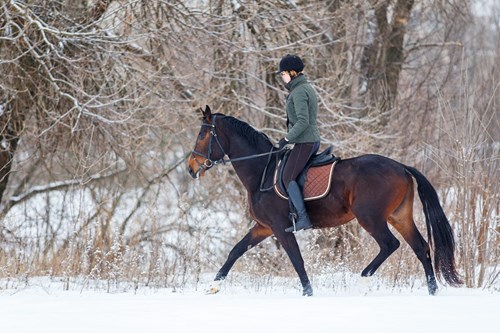
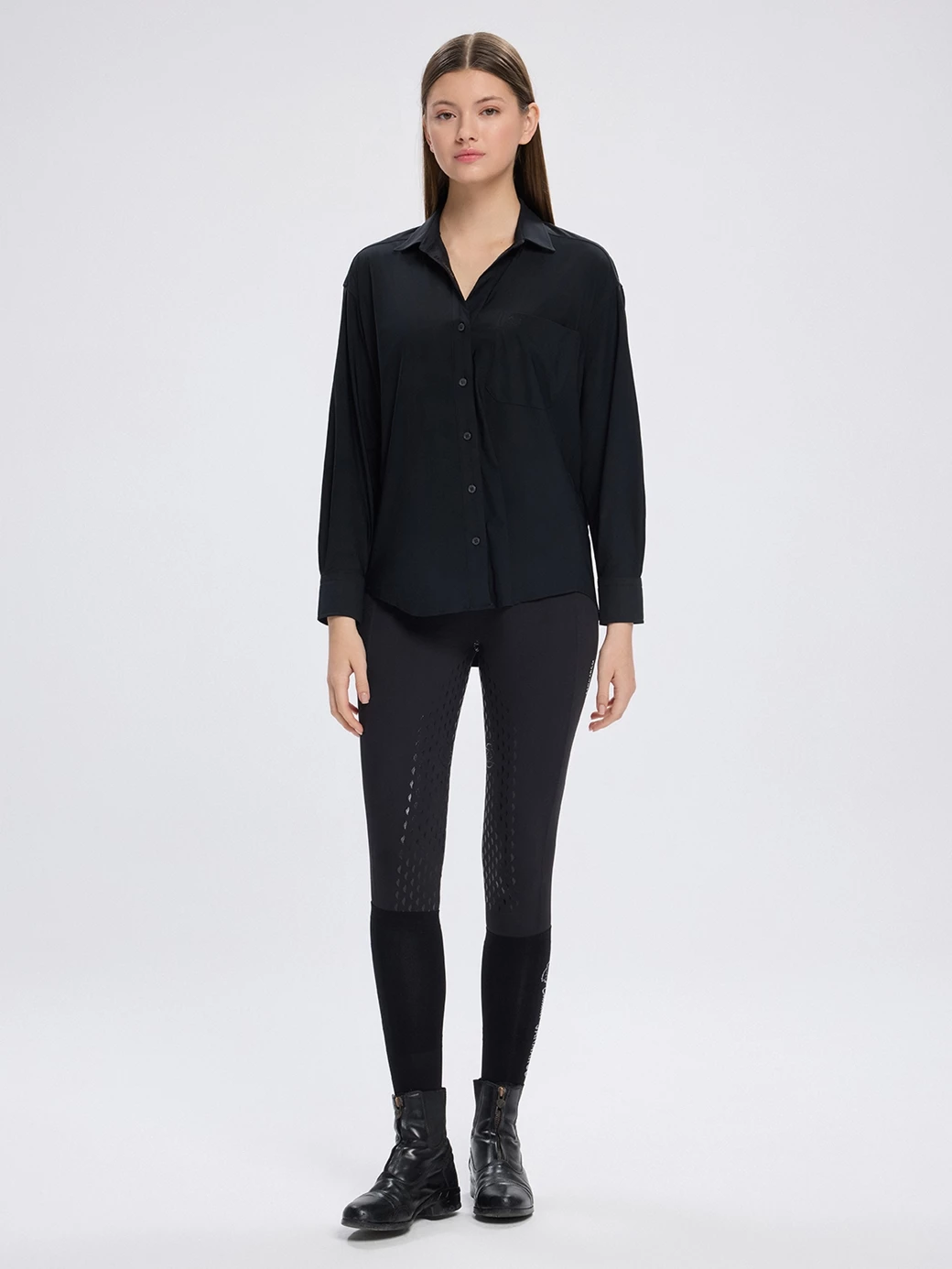
Everyday Training and Riding Tights: For daily schooling, durability and comfort take priority. Riders often opt for darker colors like navy, charcoal, or dark green to hide stable dust and saddle marks. Lightweight riding tights pull-on breeches with wide elastic waistbands have become extremely popular for daily training due to their supreme comfort and athletic flexibility.
Men's vs. Women's Breeches: Key Differences in Cut and Fit
Men's and women's equestrian apparel are engineered around distinct anatomical requirements, movement patterns, and proportional ratios. Selecting a garment tailored specifically to your body structure guarantees maximum comfort and functional support.
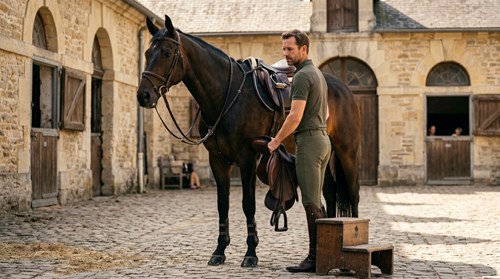
Anatomical Tailoring and Rise Construction: Women's breeches are cut with contoured hip-to-waist ratios, accommodating natural curves while preventing gap at the back of the waistband. Men's breeches feature a flatter hip cut, deeper front rise, and a roomier crotch seam to ensure comfort when seated in deep saddles. To explore tailored options for male riders, view our dedicated mens equestrian riding breeches collection.
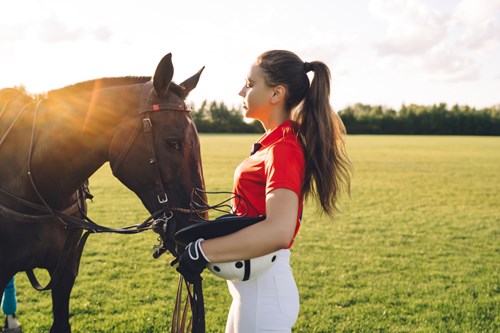
Pocket Placement and Leg Proportions: Men's designs typically feature functional slant or jean-style front pockets and buttoned rear pockets designed to fit wider proportions. Women's styles emphasize sleek silhouette lines, often incorporating hidden side phone pockets along the thigh. To browse ergonomic designs tailored for female riders, explore our complete range of womens equestrian riding breeches.
Fabric Weight and Compression Profiles: Men's breeches often utilize slightly heavier, high-durability technical knits to withstand heavier friction and wear. Women's designs offer a wider variety of compression levels, ranging from lightweight summer tights to structured, supportive woven fabrics.
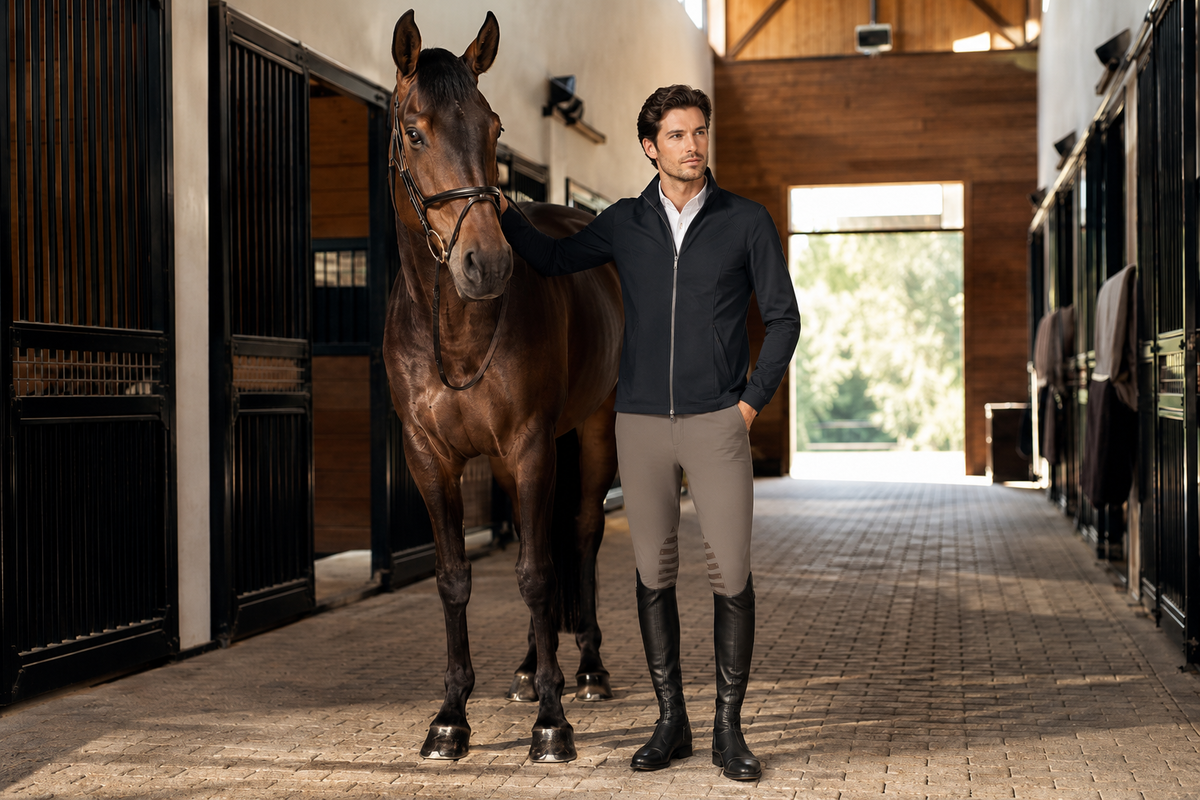
Trust the Power of the Right Riding Breeches
Selecting breeches that harmonize with your discipline, body shape, and climate is a transformative investment in your riding journey. When your apparel fits flawlessly, moves effortlessly with your body, and provides the exact level of saddle grip you require, you can eliminate physical distractions and focus entirely on your horse.
As you evaluate your options, consider your primary riding environment and saddle type. Are you training under the intense summer sun? Do you need firm full-seat security or dynamic knee mobility? Choosing technical fabrics and ergonomic cuts engineered for your specific needs will elevate both your daily comfort and overall athletic performance.
By investing in high-quality, discipline-tailored riding breeches, you ensure that every ride is supported by superior craft, durable functionality, and timeless equestrian style.
Editor’s Note: To preserve the longevity and friction performance of silicone grip breeches, always wash them inside out in cold water using a mild liquid detergent. Never use fabric softeners or tumble dry on high heat, as excessive warmth can degrade silicone grip prints and elastane fibers.