DESIGNED BY RIDERS, FOR RIDERS


Tips for Horse Riding: The Role of Posture, Balance, and Equipment Alignment - Cavalier SanMarco
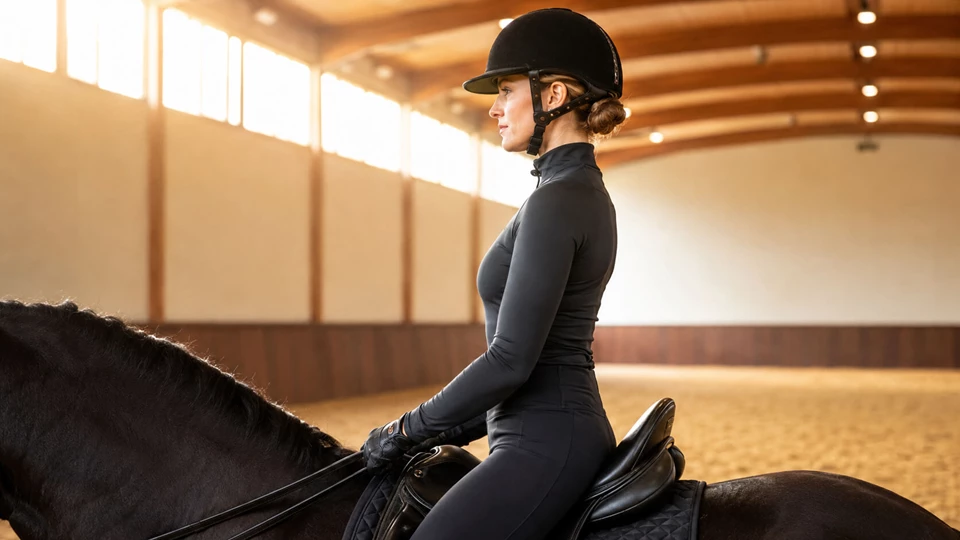
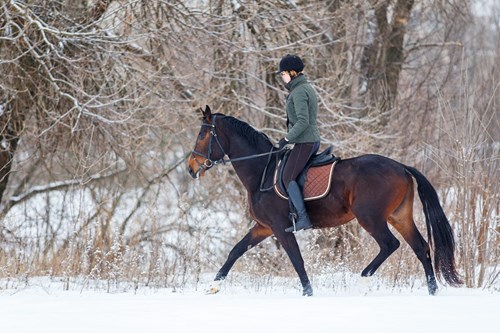
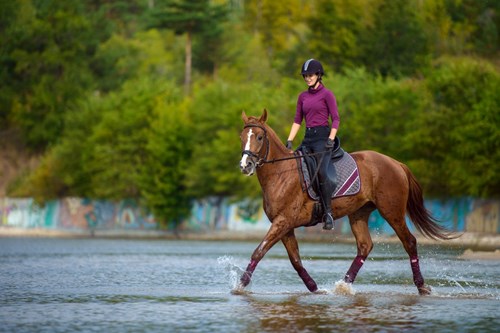
Equestrian sport may appear from the outside as simply staying on top of a horse, but it is actually a deep physical and mental coordination where two different living beings move as a single body. The foundation of this delicate partnership in the saddle relies on correct posture, flawless balance, and equipment choices that fully align with the anatomy of both sides. Whether you are a beginner rider or a professional who has spent years in the arena, your posture directly determines your riding quality when it comes to fundamental horse riding techniques.
1. Flawless Alignment in the Saddle: Horse Riding Posture Position
The first rule of a correct ride is to distribute the weight on the horse's back in the most balanced way possible. This alignment frees up the horse's mobility while preventing the rider from being affected by sudden jolts.
-
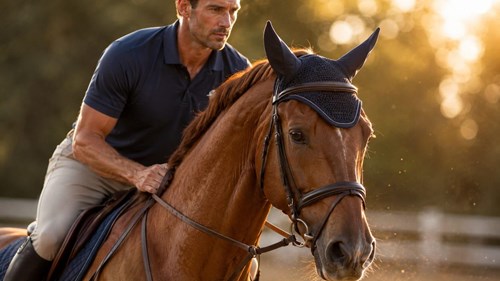
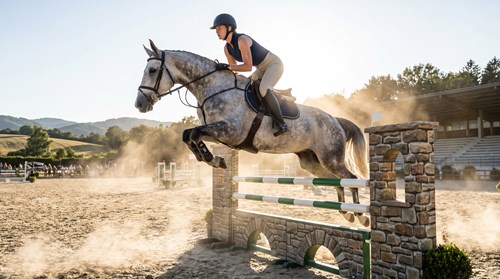
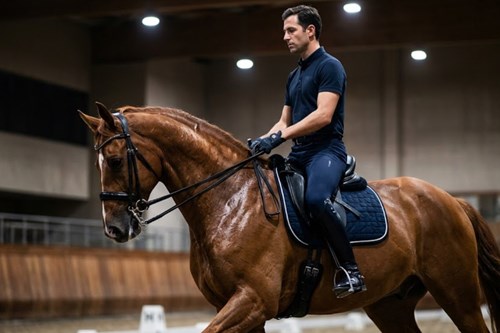
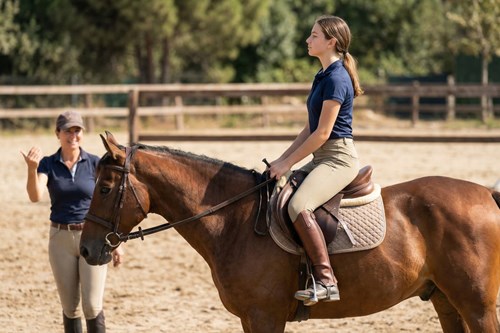
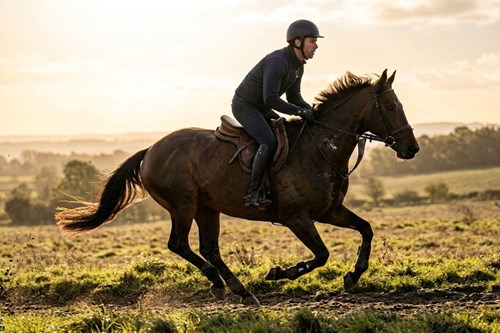
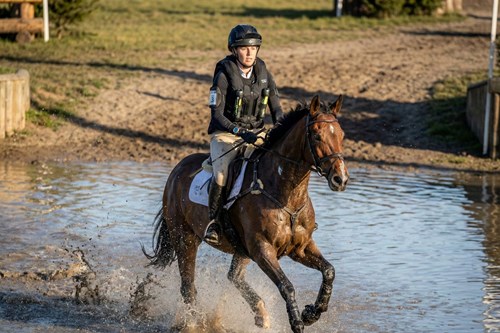
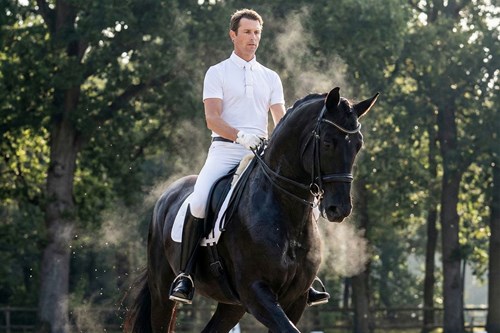
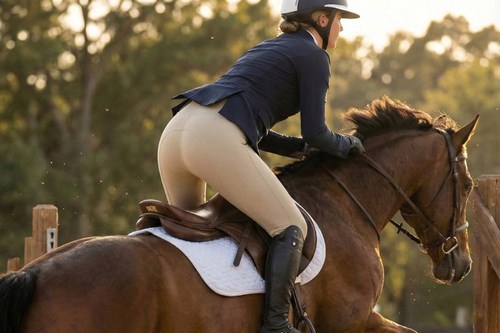
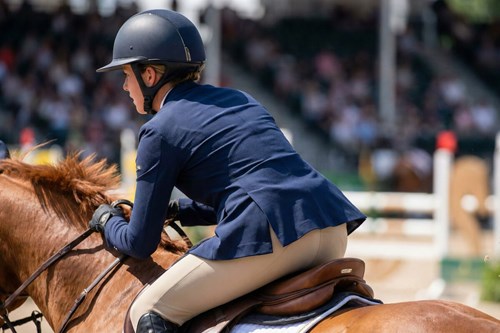
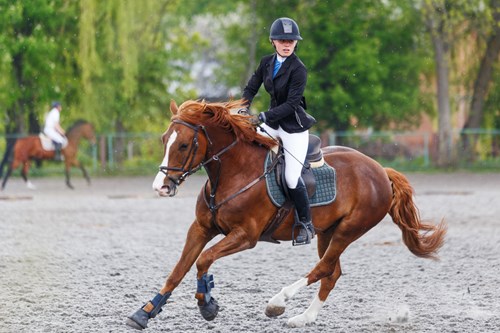
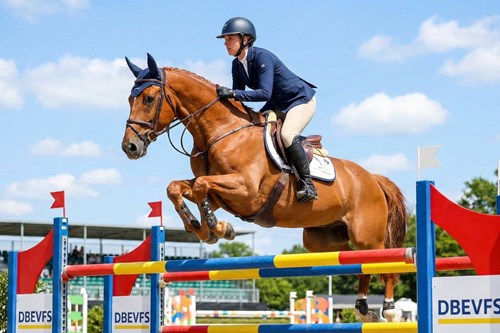
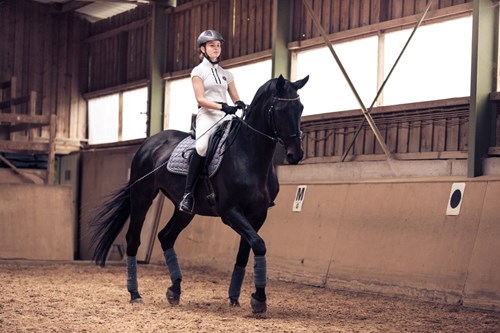
The Ear-Shoulder-Hip-Heel Line: For an ideal horse riding posture position, when an imaginary vertical line is drawn from top to bottom, your ear, shoulder, hip, and heel should be in the exact same vertical alignment. This posture helps you adapt to the horse's strides in the most natural way.
-
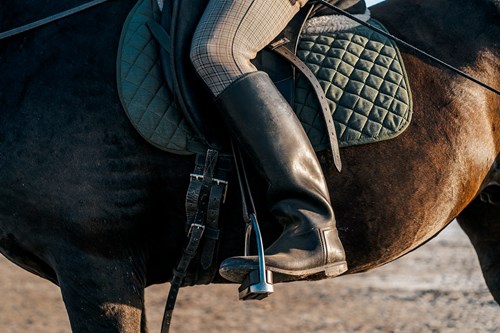
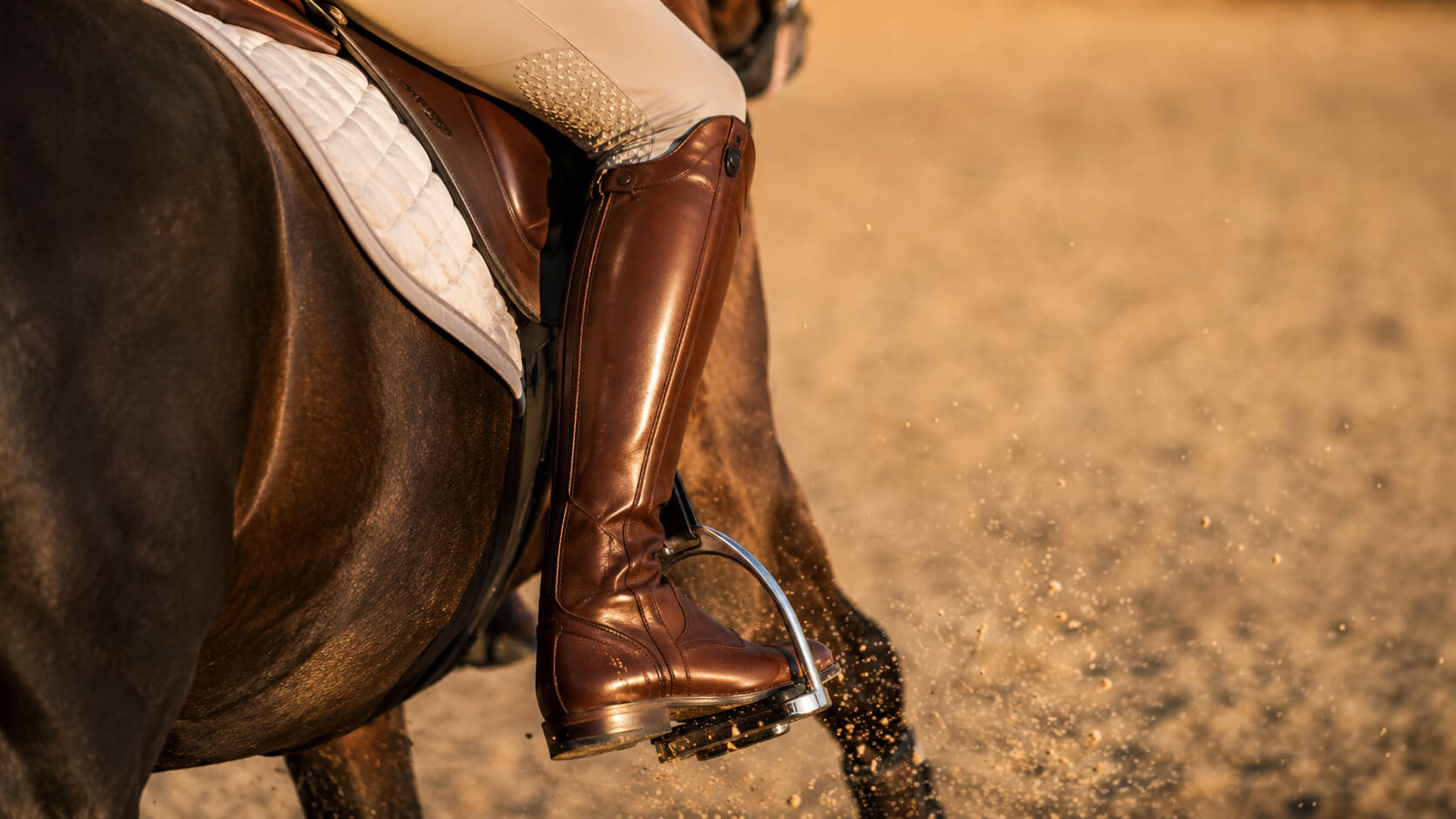
Flexible and Deep Heels: When stepping into the stirrup, only the widest part of the foot should make contact, and the heels must always be stretched downward. This position allows your leg to wrap smoothly around the horse's barrel, acting as a shock absorber during sudden imbalances.
-
Eyes and Upper Body: You should always focus your gaze forward between the horse's ears, toward the direction you want to go. Looking down at the ground or at the horse's neck disrupts your center of gravity, causing you to collapse forward.
2. Deep and Quiet Seating: Equestrian Balance Exercises
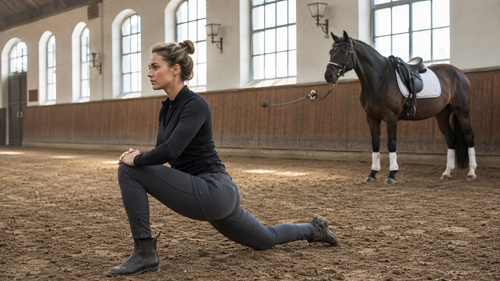
Balance on a horse is achieved not by tensing up, but by working the muscles in a flexible and rhythm-compatible manner. To feel the horse's direction of movement and adapt to it, equestrian balance exercises should be an integral part of your riding routine.
-
Stirrupless Riding Practices: To stay balanced, you must learn to use your own core muscles instead of overloading the stirrups. Riding without stirrups under trainer supervision ensures that you sit in the deepest part of the saddle and allows your seat to move independently with the horse's rhythm.
-
Core Muscle Strength: The center of balance in equestrian sports is the abdominal and lower back muscles. To avoid being tossed around when the horse accelerates or changes direction, you must keep the center of your torso stable while leaving your shoulders and arms completely relaxed and soft.
3. The Detail That Frees Performance: Correct Equestrian Equipment and Alignment
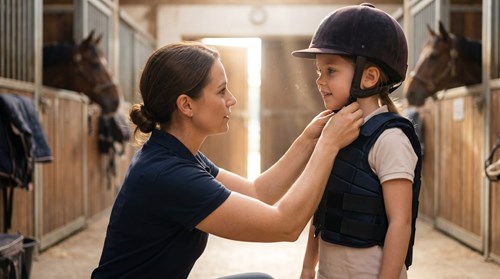
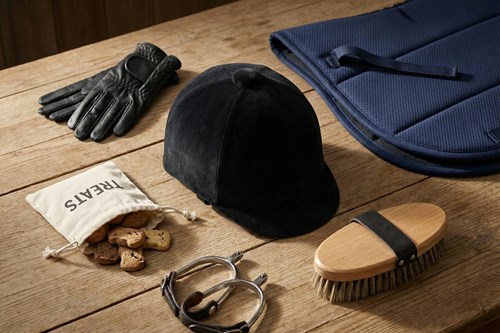
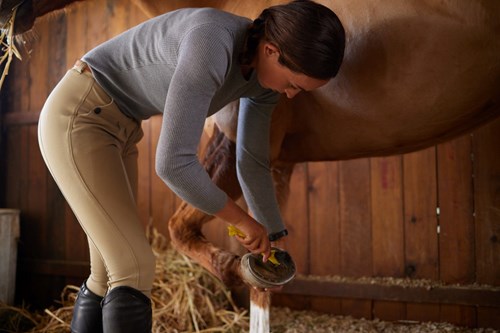
The physical implementation of flawless posture and balance is only possible through precise equipment alignment between horse and rider. Poorly chosen or badly maintained gear can sabotage your ride, no matter how technically hard you practice.
-
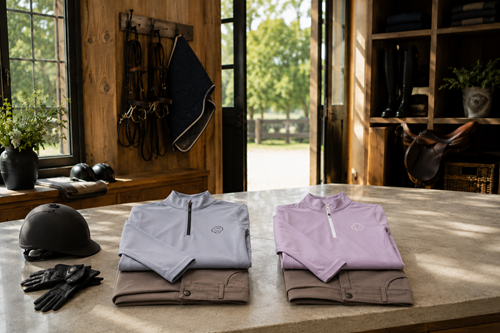
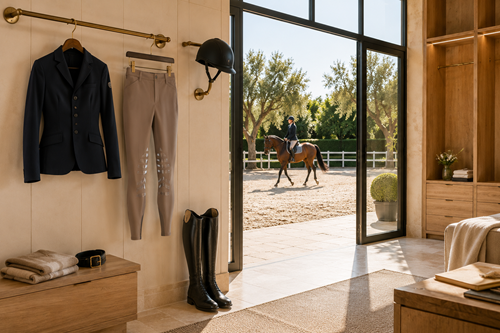
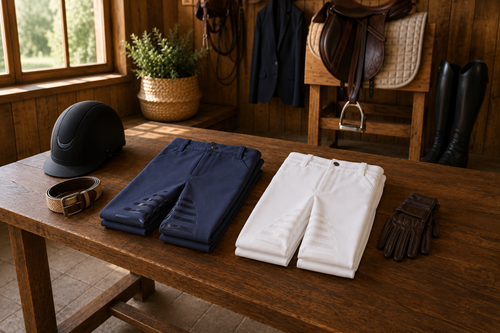
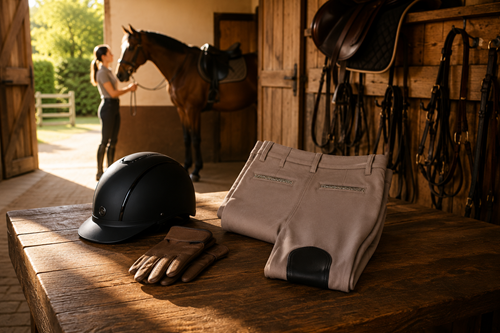
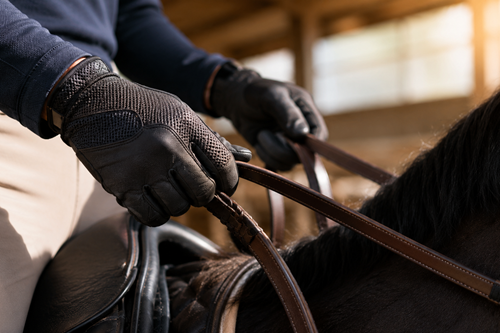
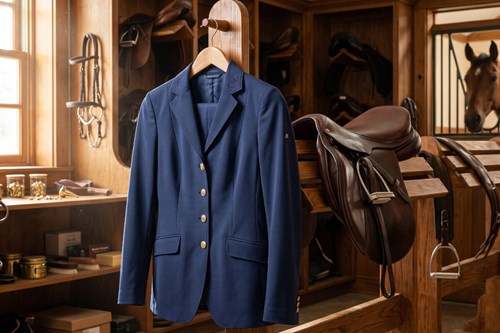
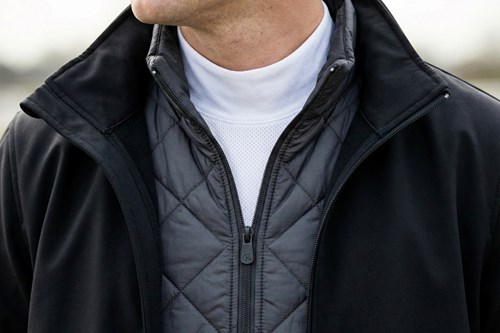
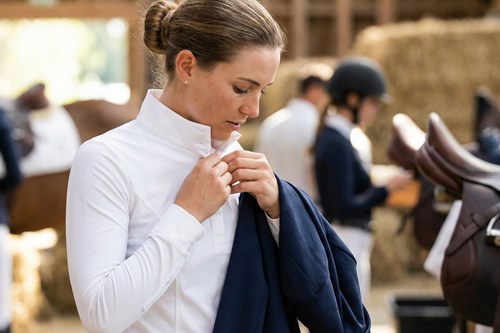
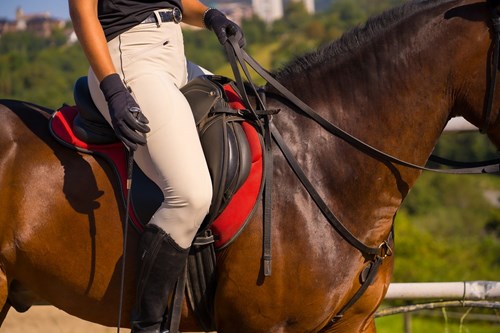
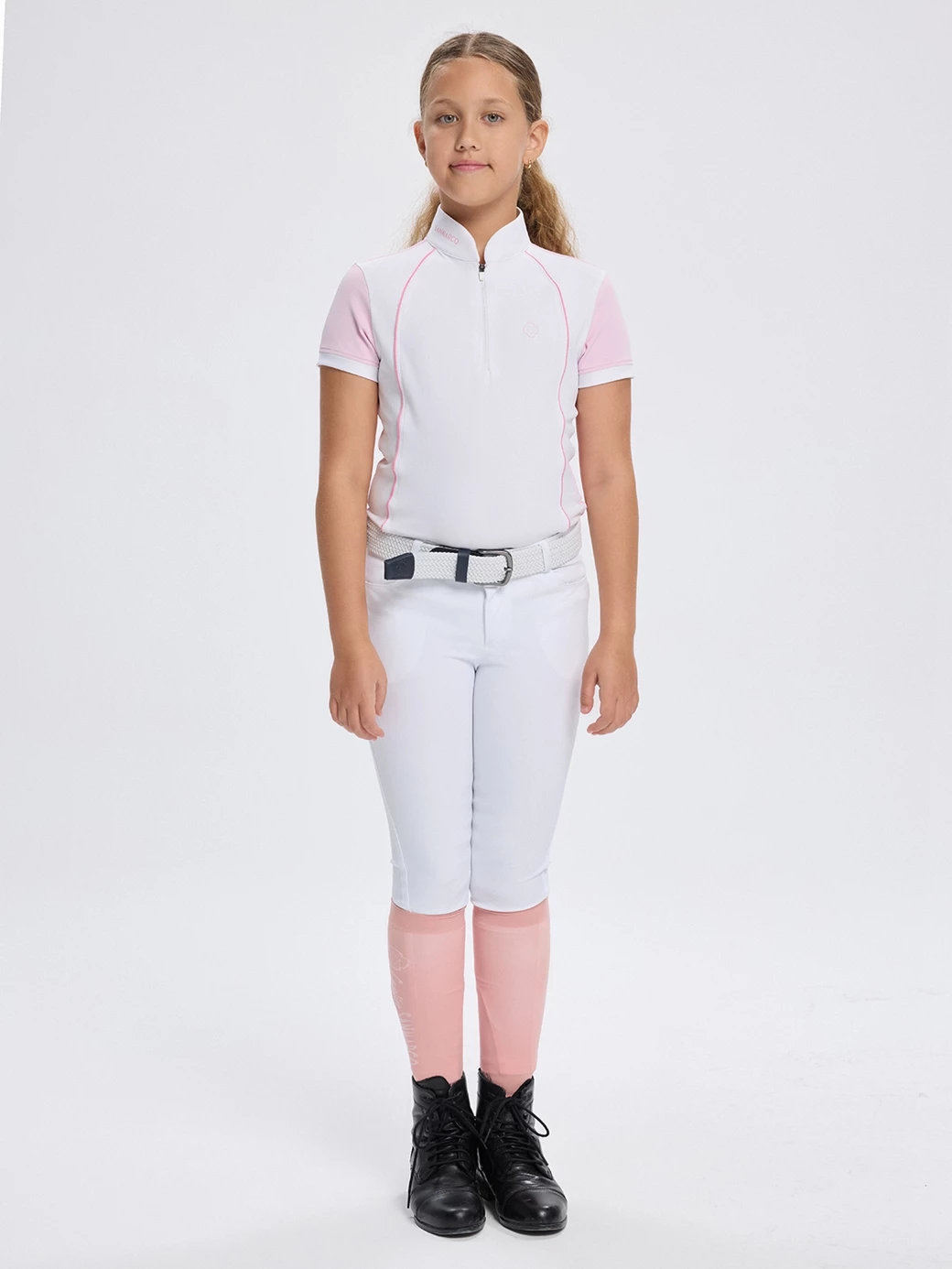
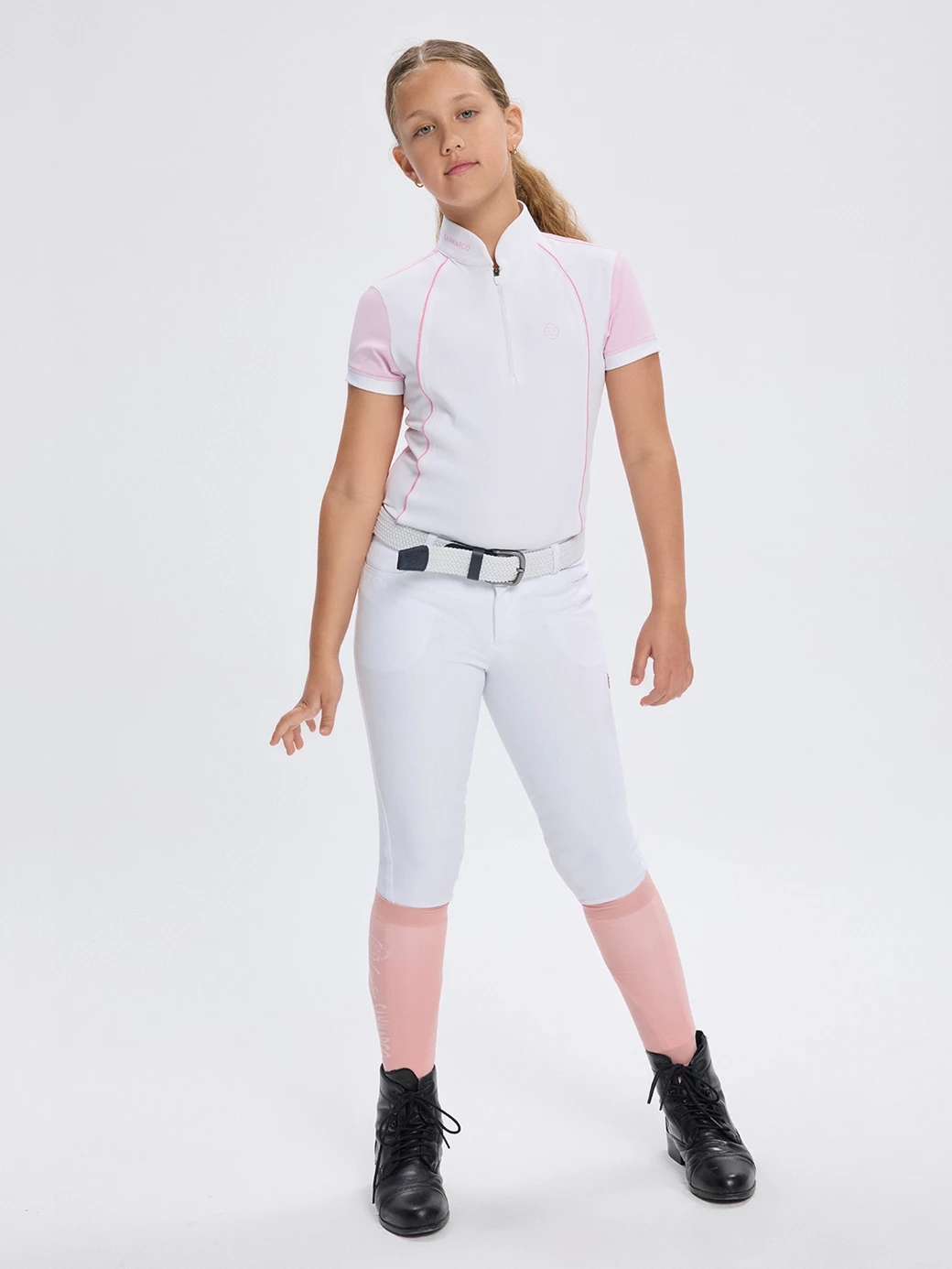
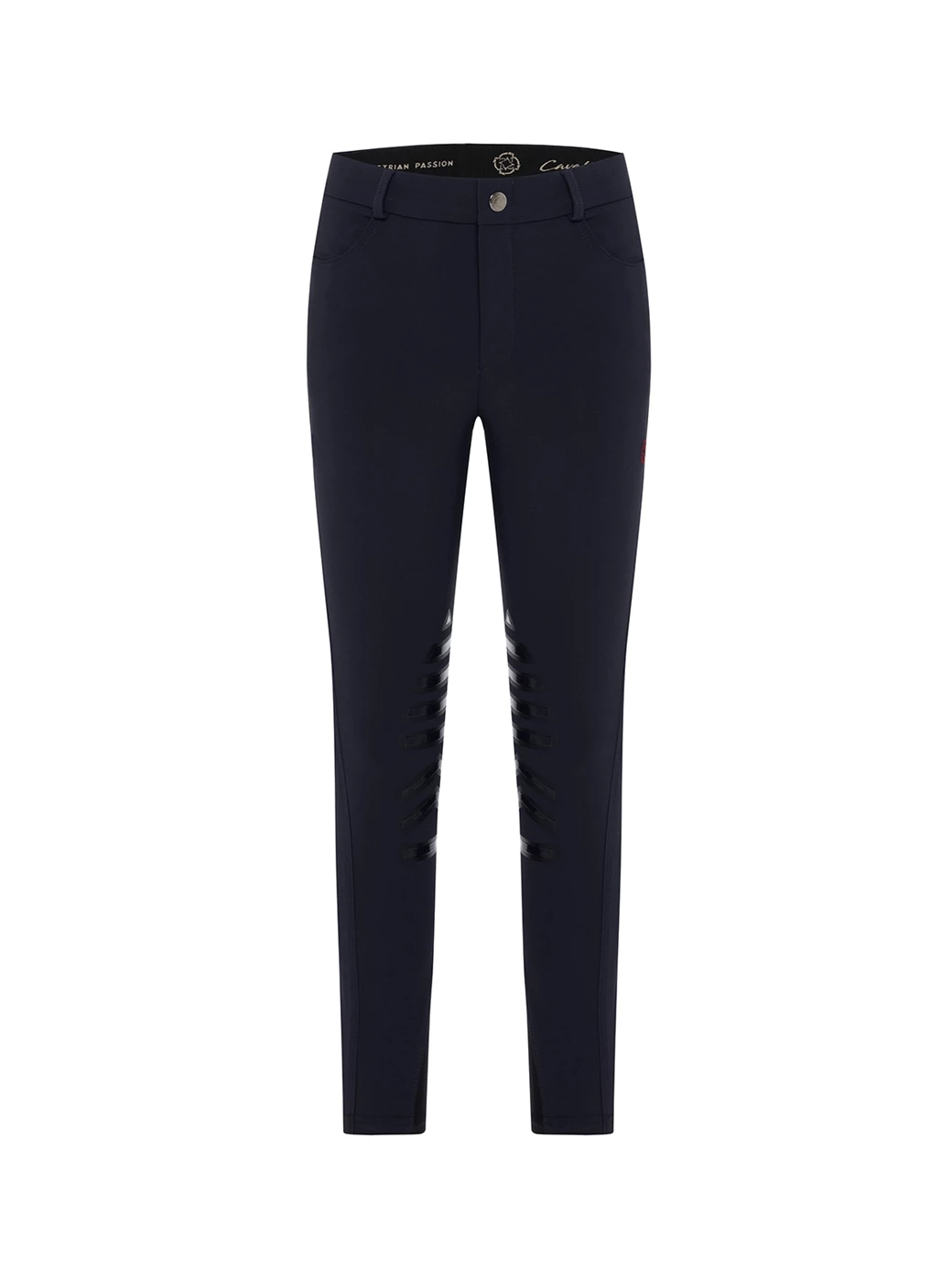
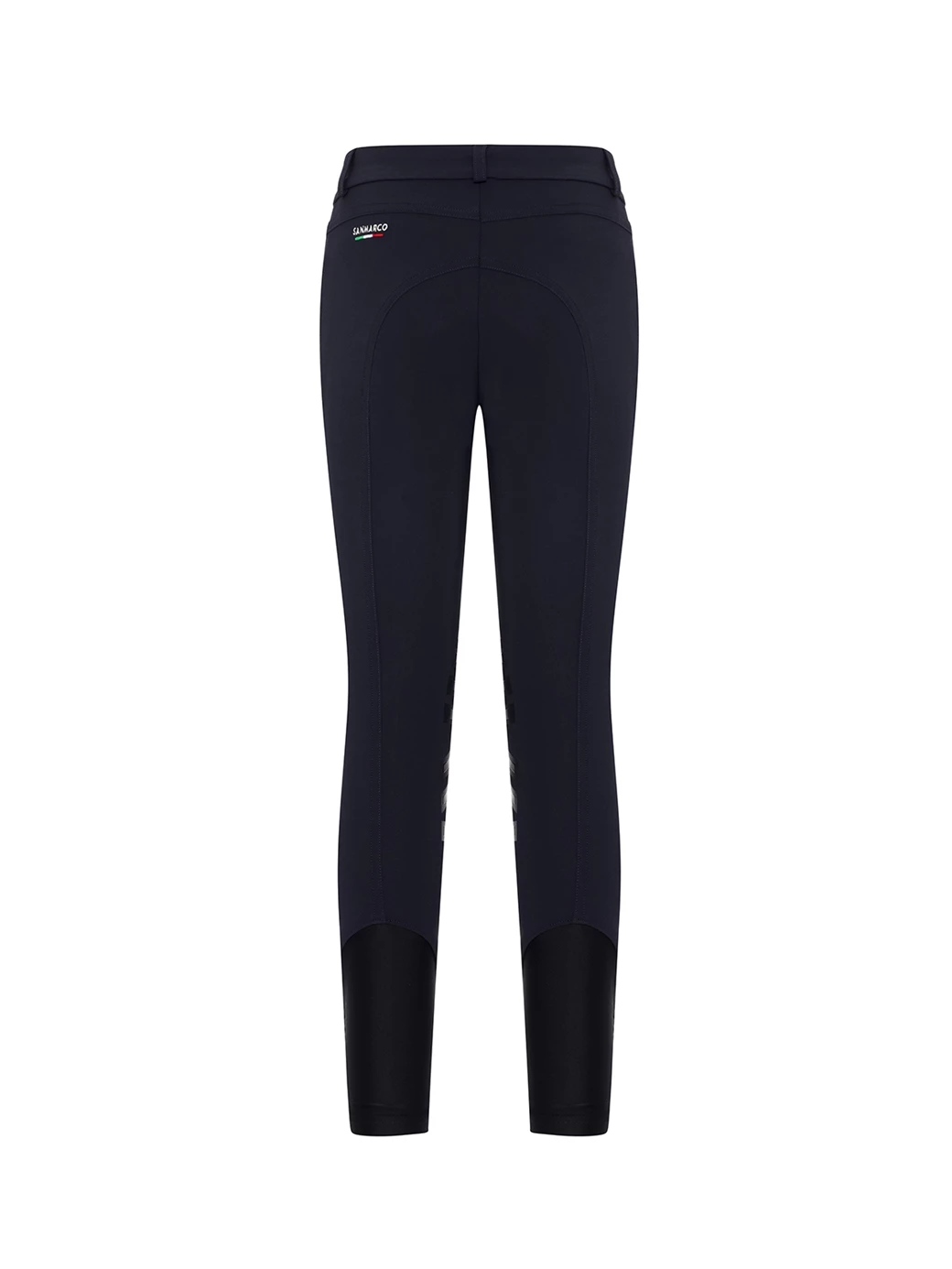
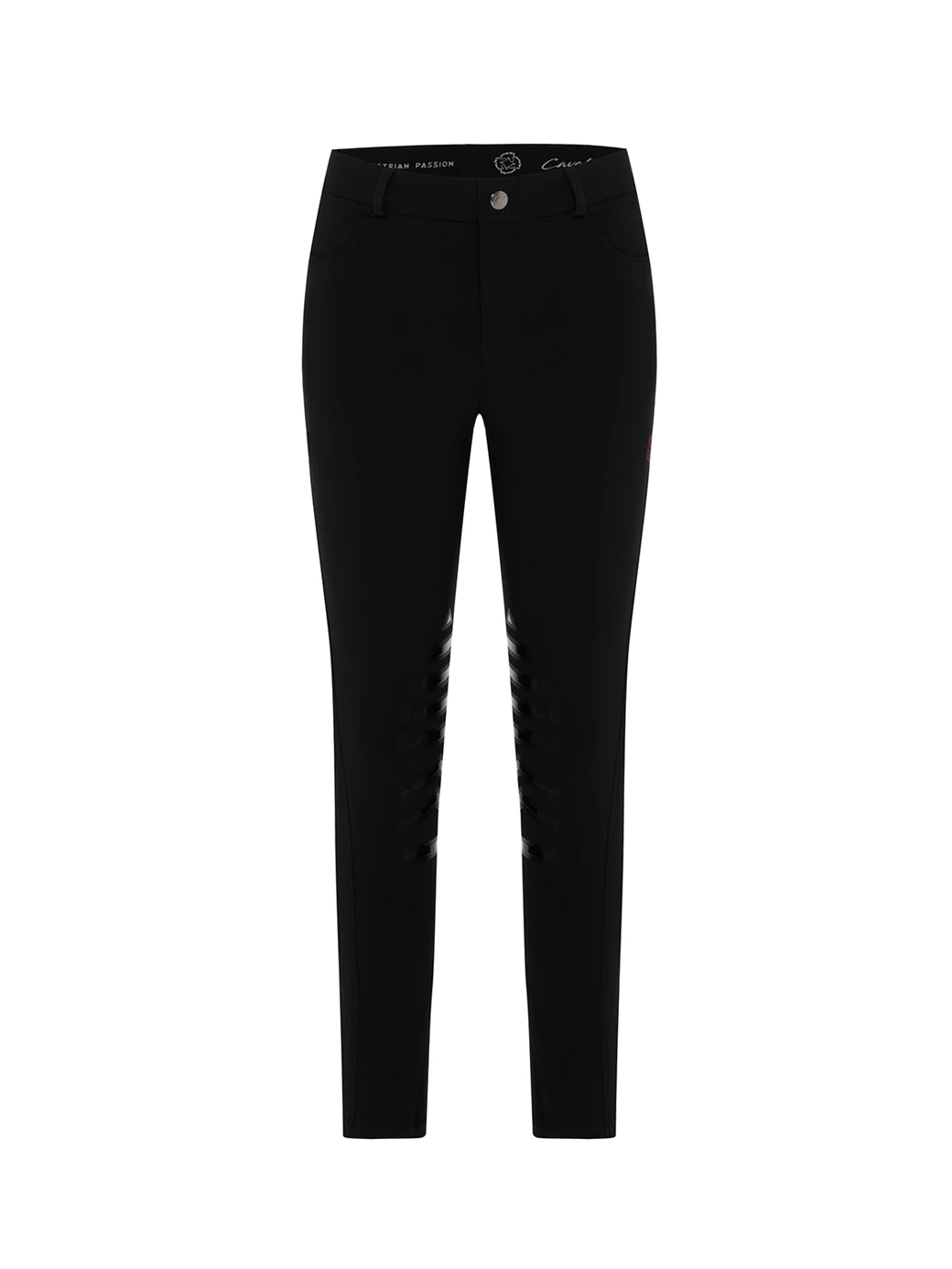
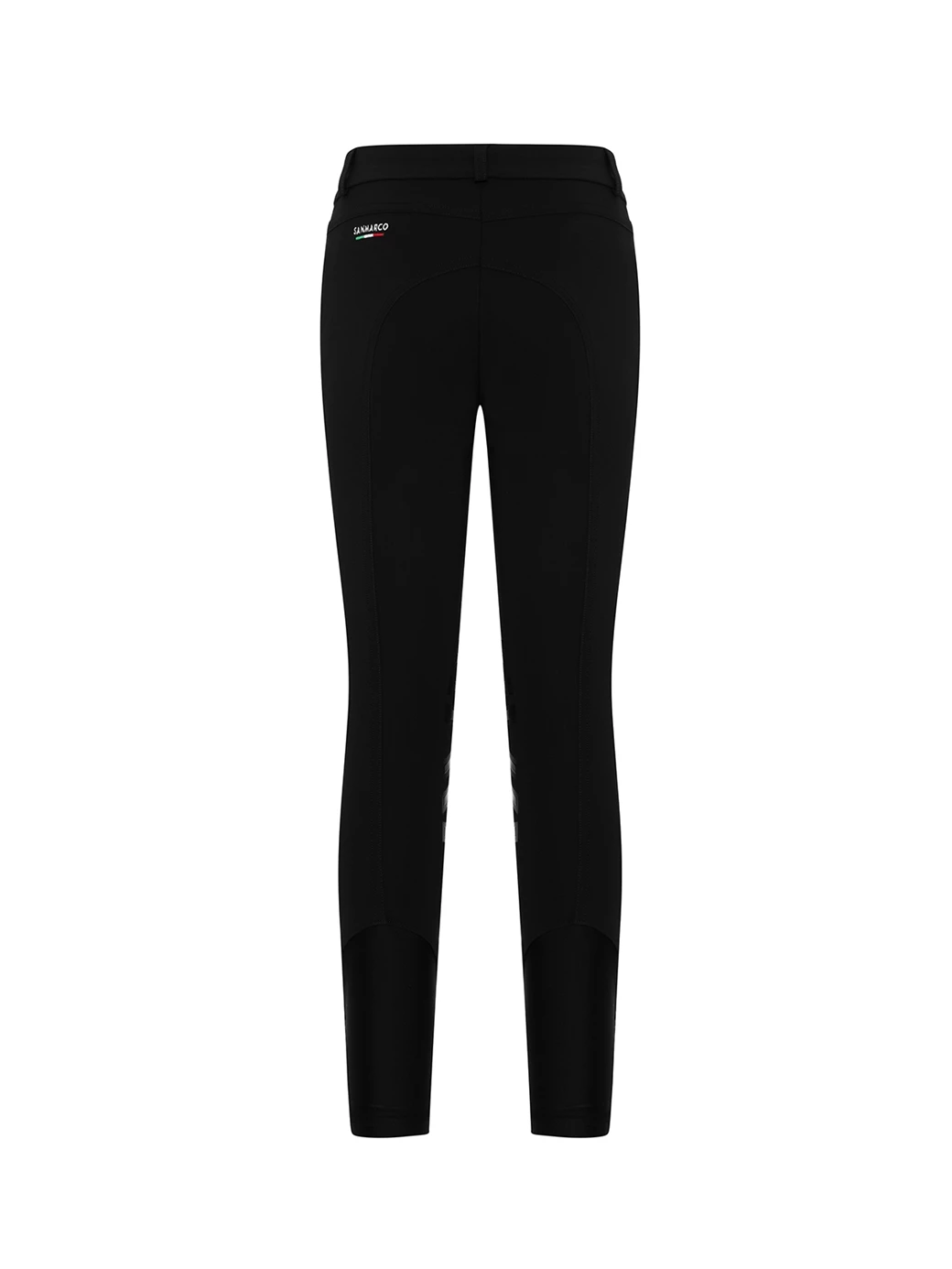
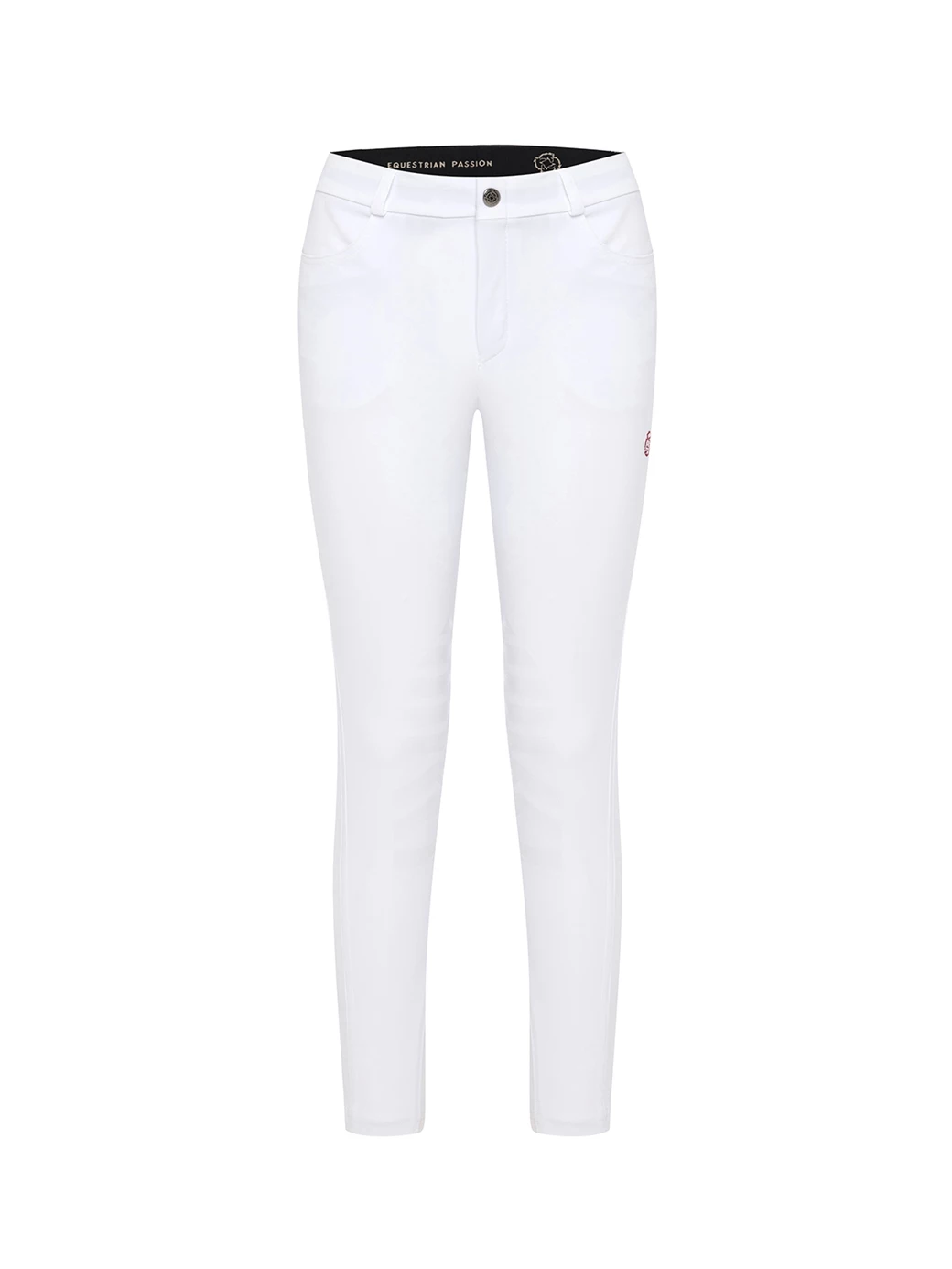
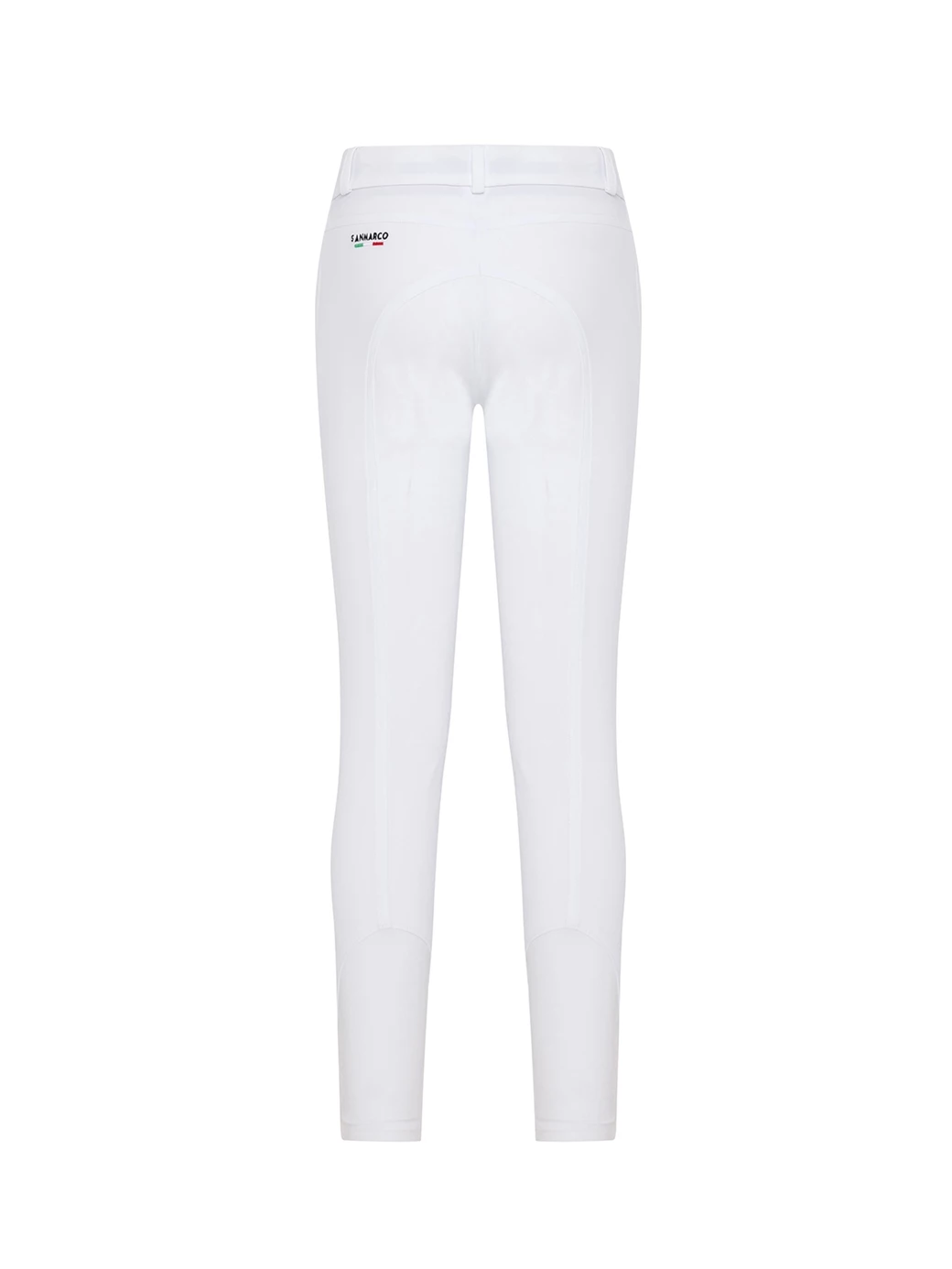
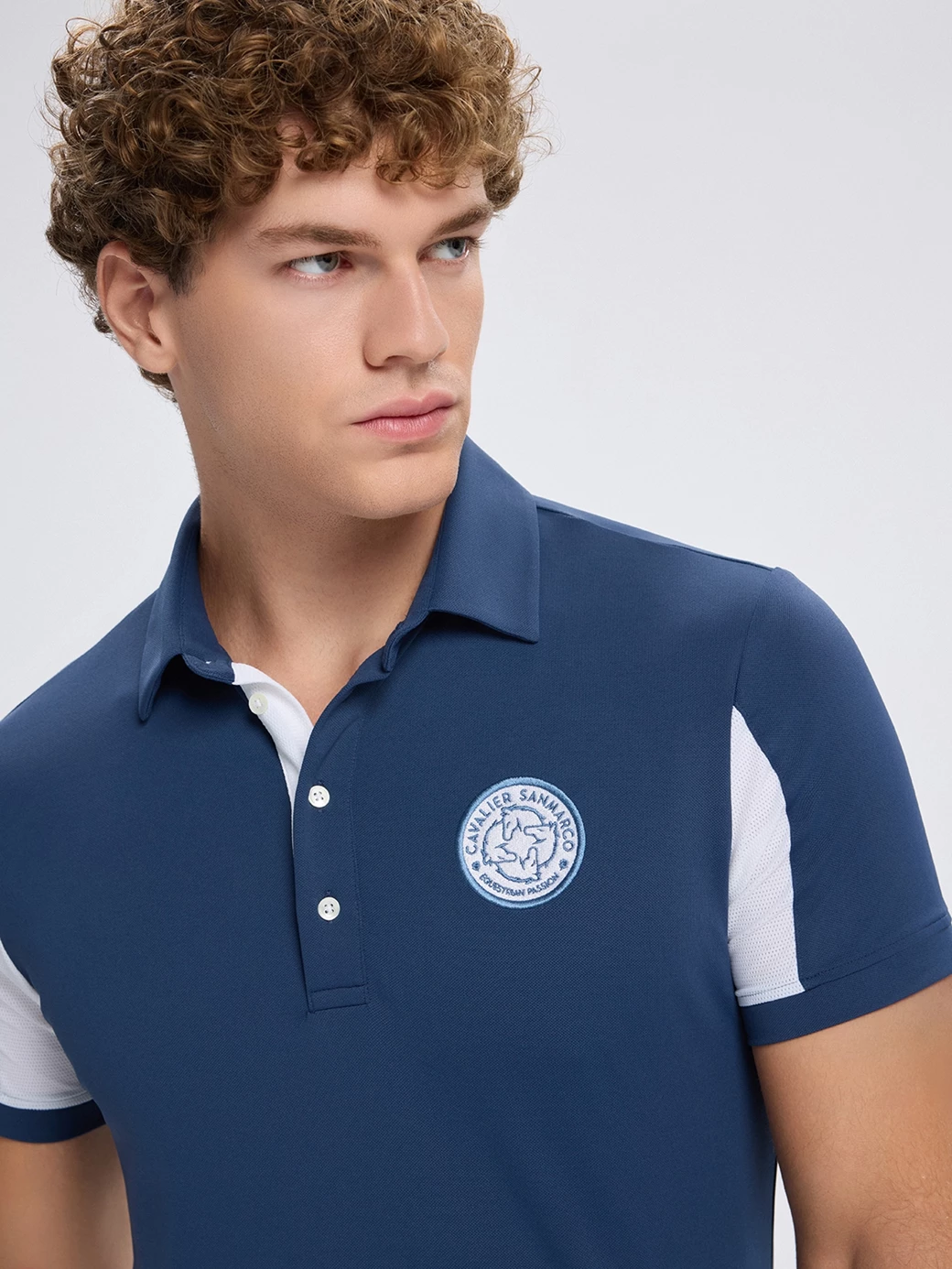
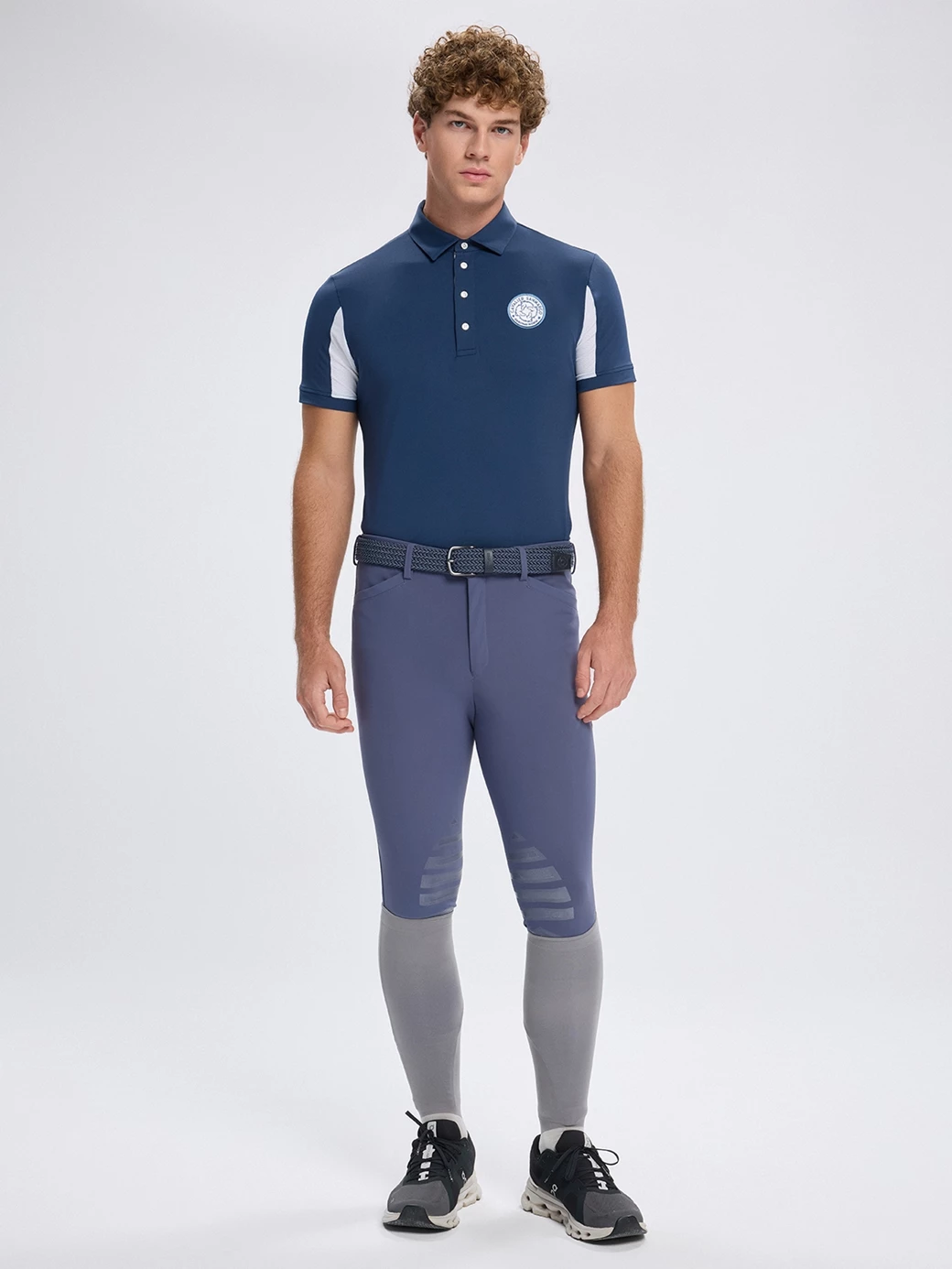
Elasticity and Grip for the Rider: Technical riding breeches with silicone grip panels stabilize the leg and prevent slipping in the saddle, making it easier to maintain your balance. 4-way stretch jackets and breathable tops that do not restrict upper body flexibility offer total freedom of movement. To discover professional apparel pieces that will elevate your riding comfort to the highest level, you can explore our best sellers equestrian apparel collection and boost your performance.
-
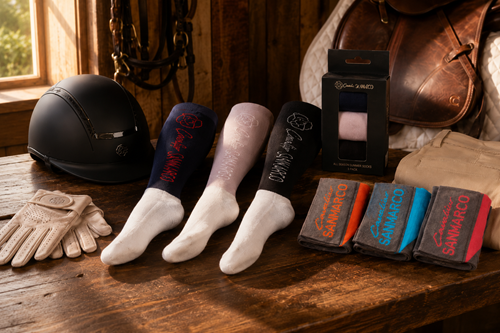
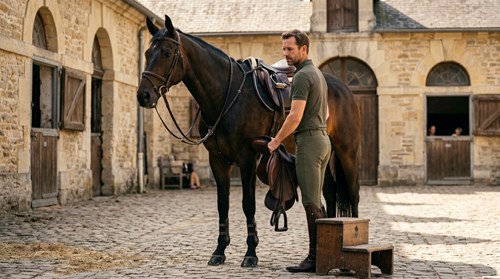
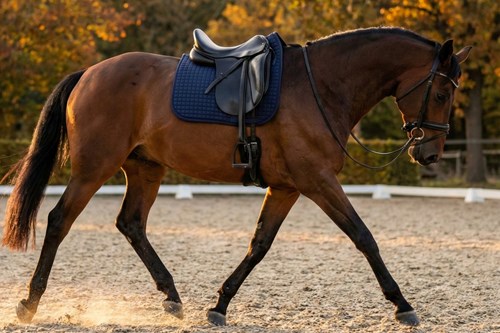
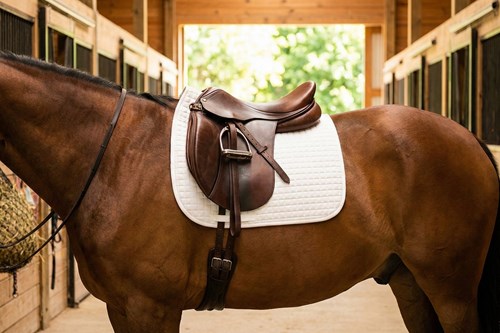
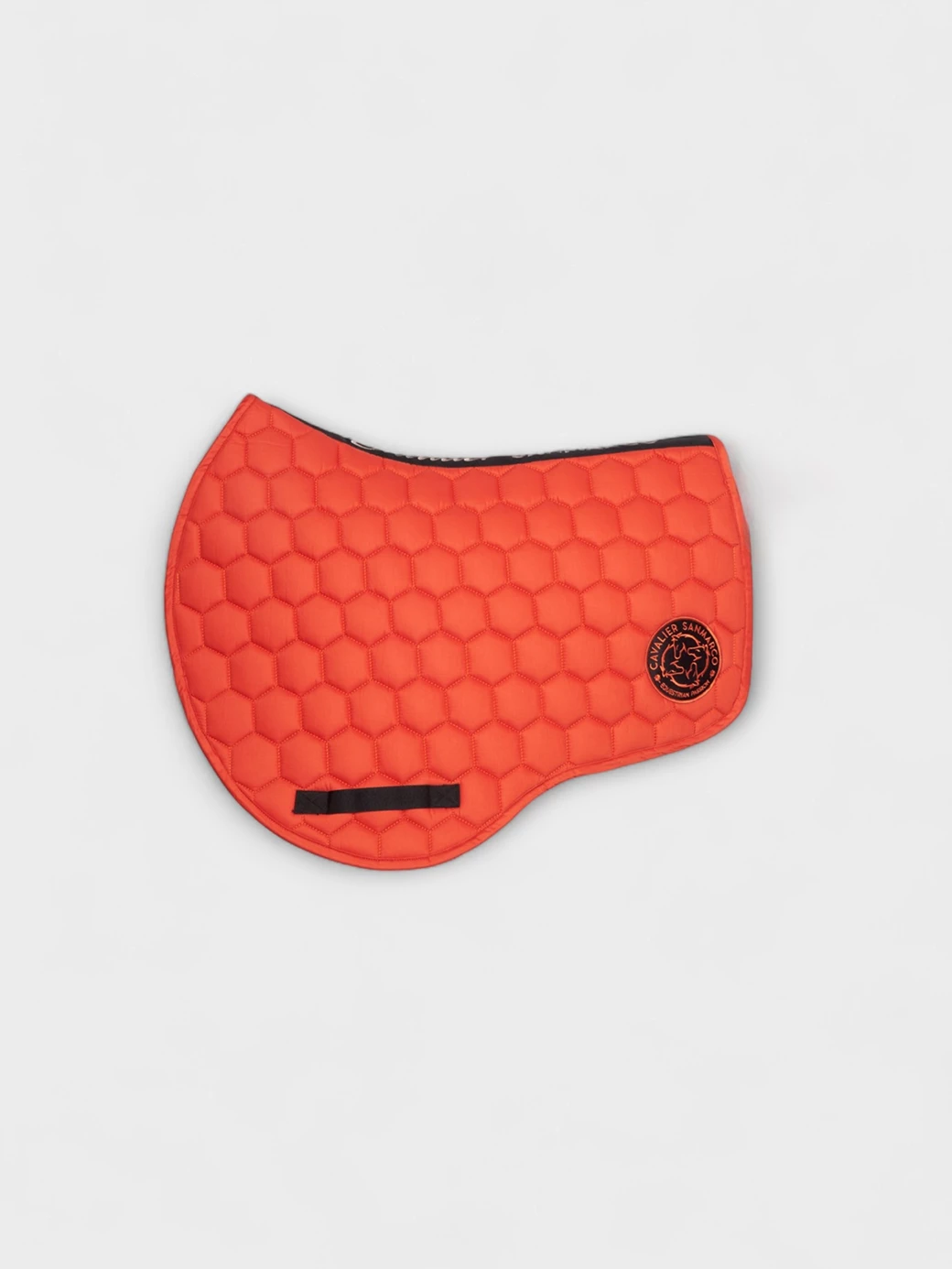
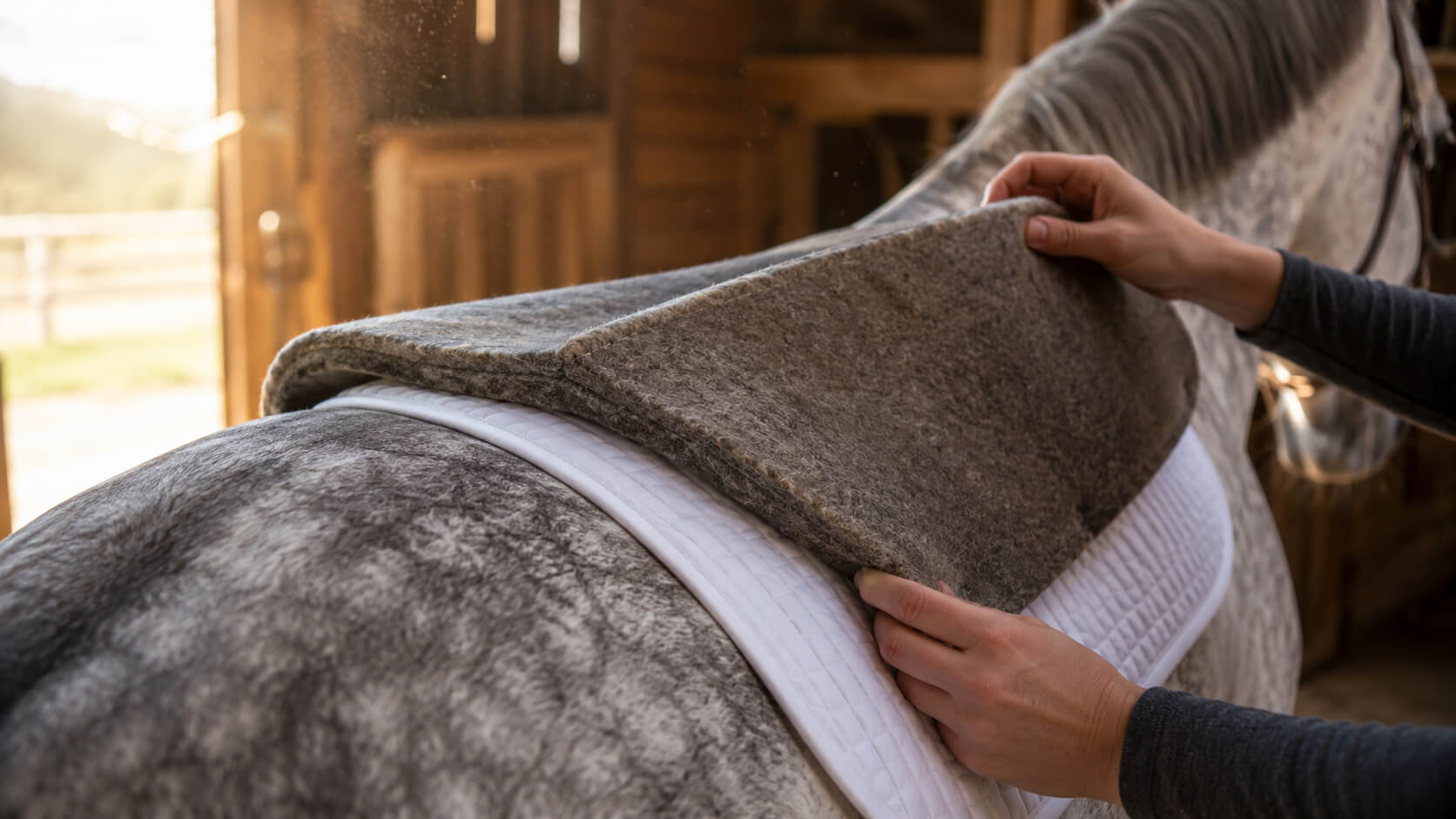
Anatomical Support for the Horse: Correct saddle pad choices are vital for the horse's back health and its ability to absorb the weight coming from the rider. A shock-absorbing anatomical saddle pad (eyer pedi) or impact-distributing felt pads (keçe pedleri) placed under the saddle (eyer altı) protect the horse's spine. Proper use of an under-saddle (eyer altı) pad and felt pads (keçe pedleri) allows the horse to focus on your commands without feeling pain, directly optimizing riding balance.
Big Changes Created by Fine Details
The tips for horse riding come from a steady process of constantly analyzing yourself and correcting details. When a straight posture, deep balance, and the correct equestrian equipment that respects both your and your horse's anatomy come together, your ride transforms from a necessity into an enjoyable flow. Do not forget to check your posture and review your equipment placement during every training session.
Editor’s Note: The saddle slipping to the right or left during a ride can be caused not only by a loose girth but also by the rider putting more weight on one side. Make sure you apply equal pressure to both of your legs and stirrups during your balance exercises.