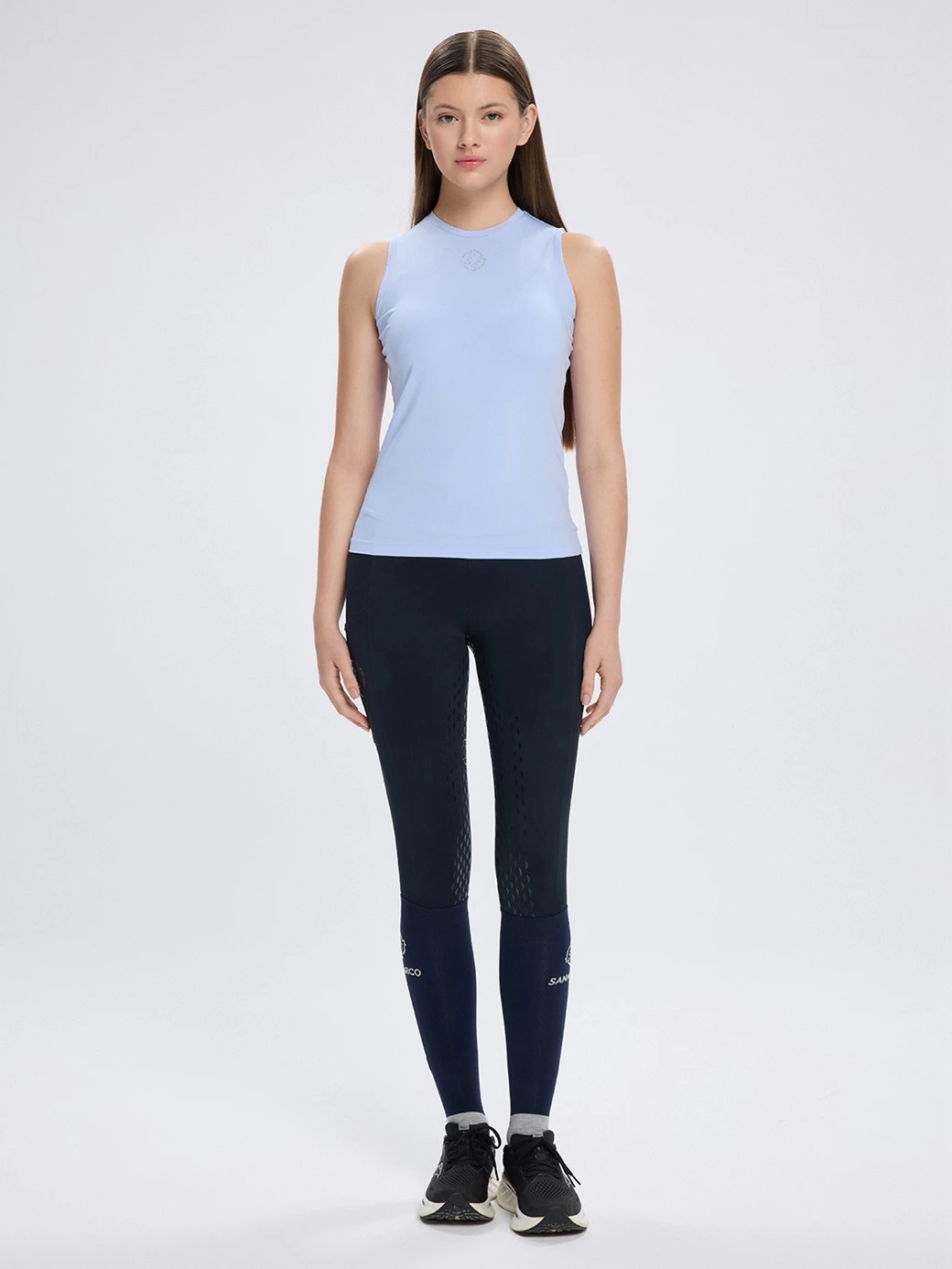
DESIGNED BY RIDERS, FOR RIDERS


Back to Riding: Your September Layering Checklist for the New Season - Cavalier SanMarco
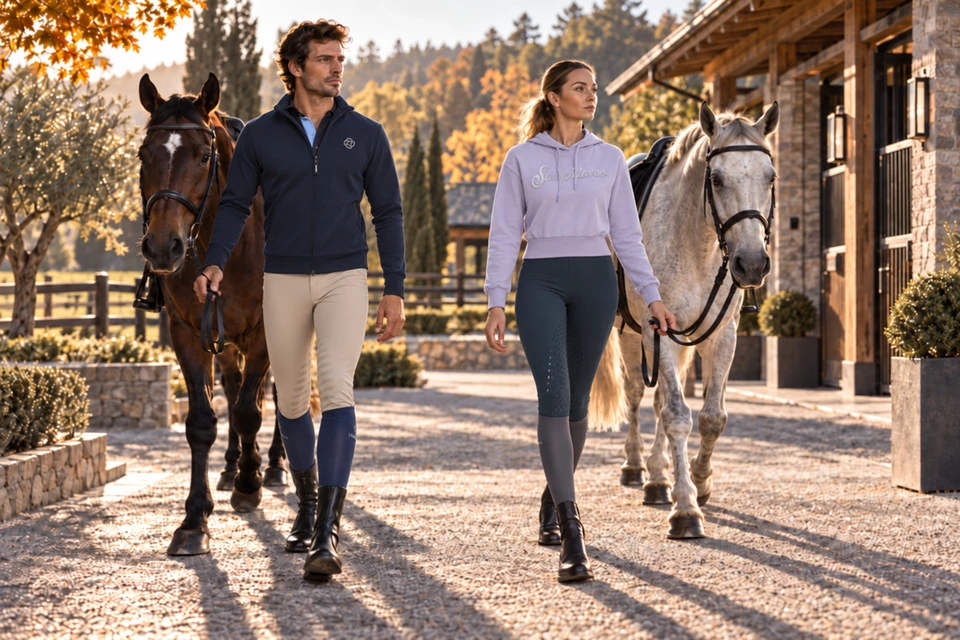
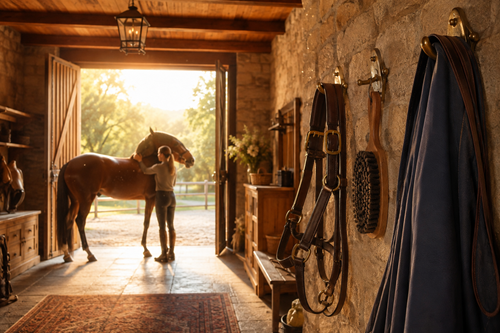
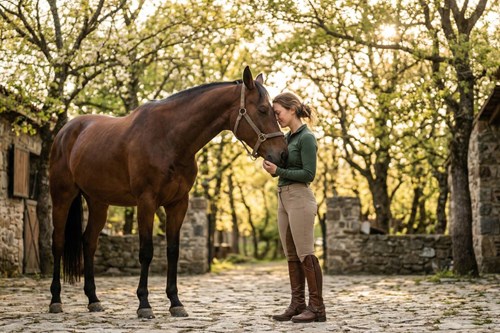
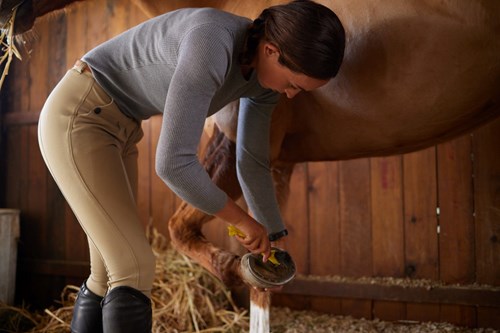
Returning to the stable after a midsummer break reawakens a familiar rhythm. The scent of seasoned leather, the steady crunch of gravel underfoot, and that first tactile connection with your horse remind you why you ride. Yet, getting back into structured training after weeks of hiatus comes with physical realities: muscle memory needs sharpening, stamina must be rebuilt, and your body requires apparel that actively supports this reconditioning process.
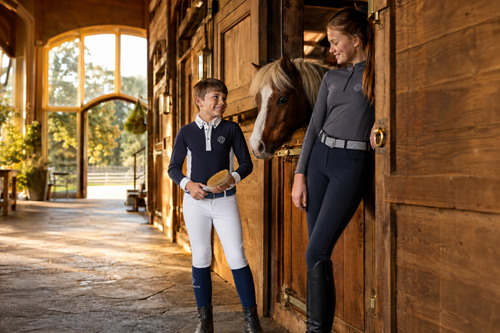
September acts as the great seasonal pivot. While summer allows for minimalist schooling kits, early autumn introduces sharp thermal volatility. Crisp dawn breezes give way to humid, sunlit ring sessions, only to cool dramatically as the sun dips behind the outdoor arenas. For seasoned equestrians, this transitional period demands a strategic evolution in training turnout. Unlike an introductory riding kit tailored for first-time lessons as detailed in our what to wear horse riding beginners guide stepping back into dedicated riding requires technical adaptability, smart modular layering, and athletic garments engineered for high-output schooling.
By calibrating your wardrobe around high-performance layering formulas and seasonal textile weights, you can transition back into the saddle with complete physical comfort and sharp equestrian elegance.
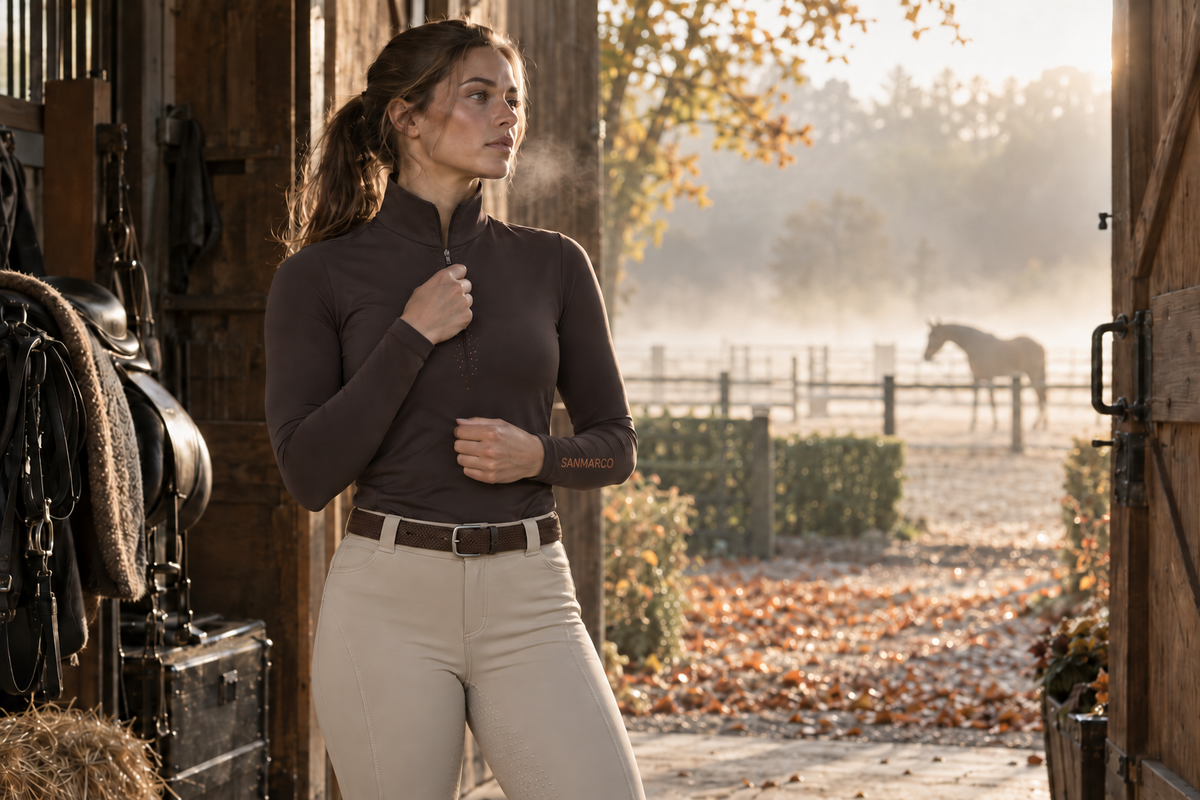
Why September Demands a Wardrobe Rethink for Riders
Re-entering the barn routine in September is an athletic reboot. Treating your training wardrobe with careful forethought ensures that unpredictable autumn weather never disrupts your return to peak riding fitness.
Microclimates and Physical Reconditioning: Resuming rigorous schooling after a break demands intense muscular engagement. As you work through lateral exercises or jumping grids, your core body temperature surges, producing perspiration. If your apparel retains this moisture, the chilly autumn air will rapidly cool your muscles during post-ride walks, inducing stiffness, spasms, or sudden chills. Autumn apparel must manage these microclimate swings dynamically.
The Psychological Lift of a Wardrobe Refresh: Returning to the arena after time away can feel daunting. Upgrading worn-out schooling wear with pristine, technically advanced garments offers a powerful psychological boost. Slipping into a supportive, tailored training kit instills professional discipline and renews athletic focus, setting a motivated tone for the new equestrian term.
Moving Beyond Summer Minimalism: Summer riding revolves around sheer survival against heat, often compromising garment structure. September reintroduces formal equestrian posture, requiring apparel with more compression, tailored collars that shield against cutting drafts, and fabrics robust enough to withstand the abrasive demands of full-schedule training.
The Layering Formula: Base Layer + Mid Layer + Outerwear
Mastering the variable weather of autumn requires a modular, three-tier layering strategy. This system allows you to peel away or add elements without interrupting your horse's work rhythm.
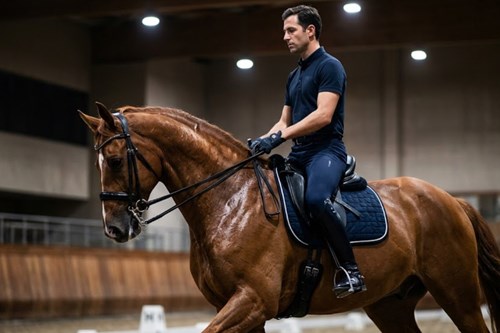
The Primary Base Layer (Moisture Management): Worn directly against the skin, the base layer is the foundation of the entire system. Its sole objective is to pull moisture away from your epidermis via capillary action, keeping your skin dry and your core temperature neutral, whether you are pushing through trot sets or waiting by the ingate.
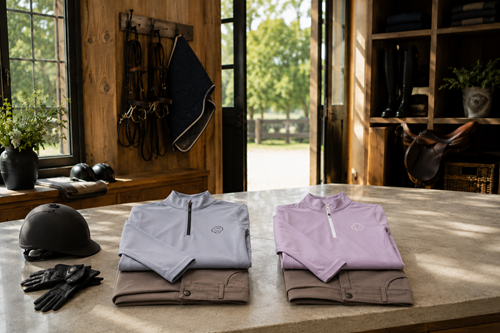
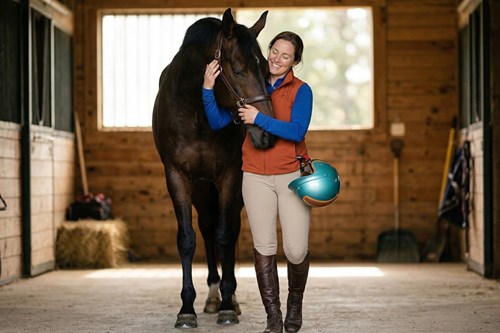
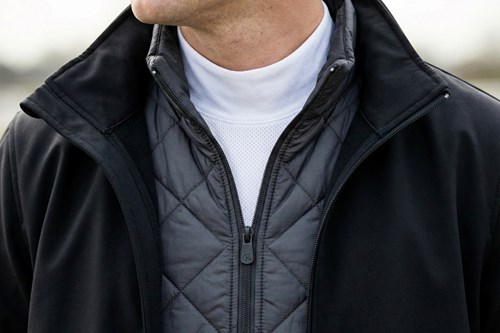
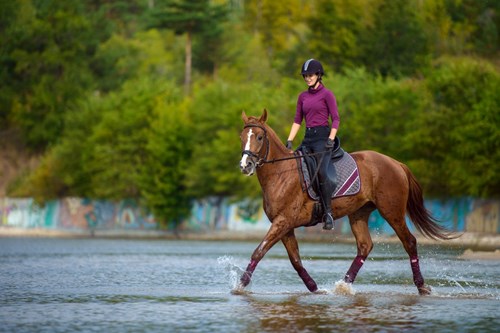
The Insulating Mid Layer (Thermal Regulation): The middle layer traps warm air generated by your body while remaining sufficiently breathable to allow moisture from the base layer to escape. A hybrid insulated vest (gilet) or a lightweight technical quarter-zip pullover works best here. A sleeveless vest is an equestrian staple because it preserves core warmth while leaving shoulders and arms completely free to maintain steady, uninhibited rein contact.
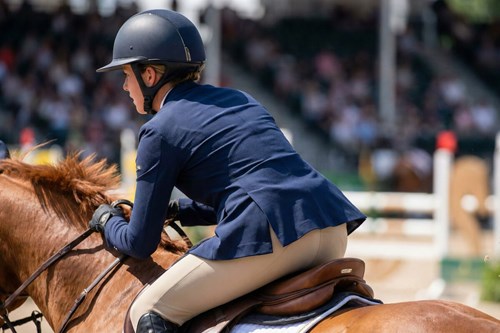
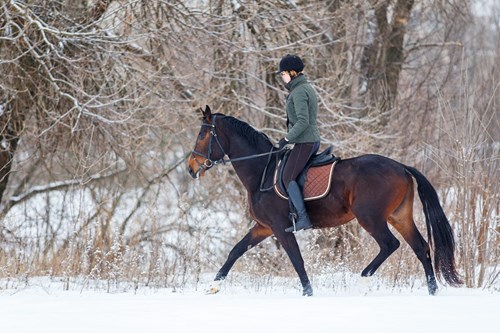
The Protective Outerwear (Element Defense): The outer shell shields you from wind chill, morning dew, and intermittent autumn squalls. Select a lightweight, four-way stretch softshell jacket engineered with taped seams and breathable membranes. Look for two-way front zippers and zippered rear gussets, which allow the coat to drape neatly around the cantle without bunching in the saddle.
Choosing the Right Base Layer for Autumn Riding
Because the base layer sits against your skin for hours, selecting the correct technical composition is essential for early autumn comfort.
Textile Architecture and Ventilation: Steer clear of cotton, which traps sweat, clings to the skin, and loses all insulating ability when wet. Opt instead for polyamide, nylon, and elastane micro-knit blends. Look for garments featuring laser-cut perforations or subtle mesh inserts beneath the arms and down the spine, allowing excess heat to vent while keeping your chest shielded from the breeze.
Ergonomic Compression and Posture: A quality base layer acts like a second skin. Gentle compression zones woven across the torso enhance proprioception, encouraging an upright, balanced position without restricting your diaphragm during intense collection.
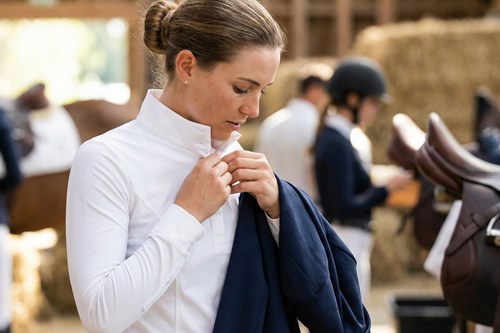
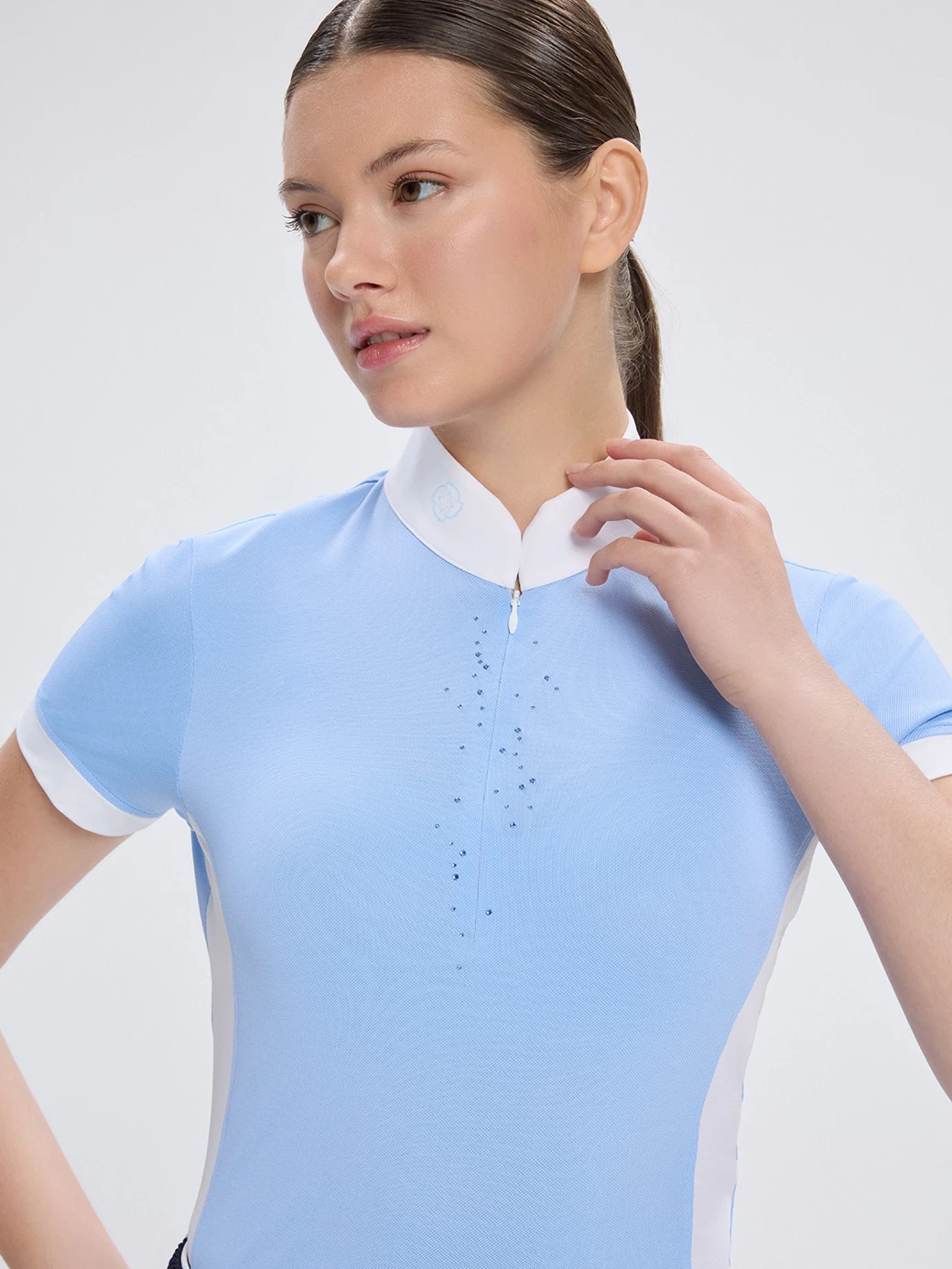
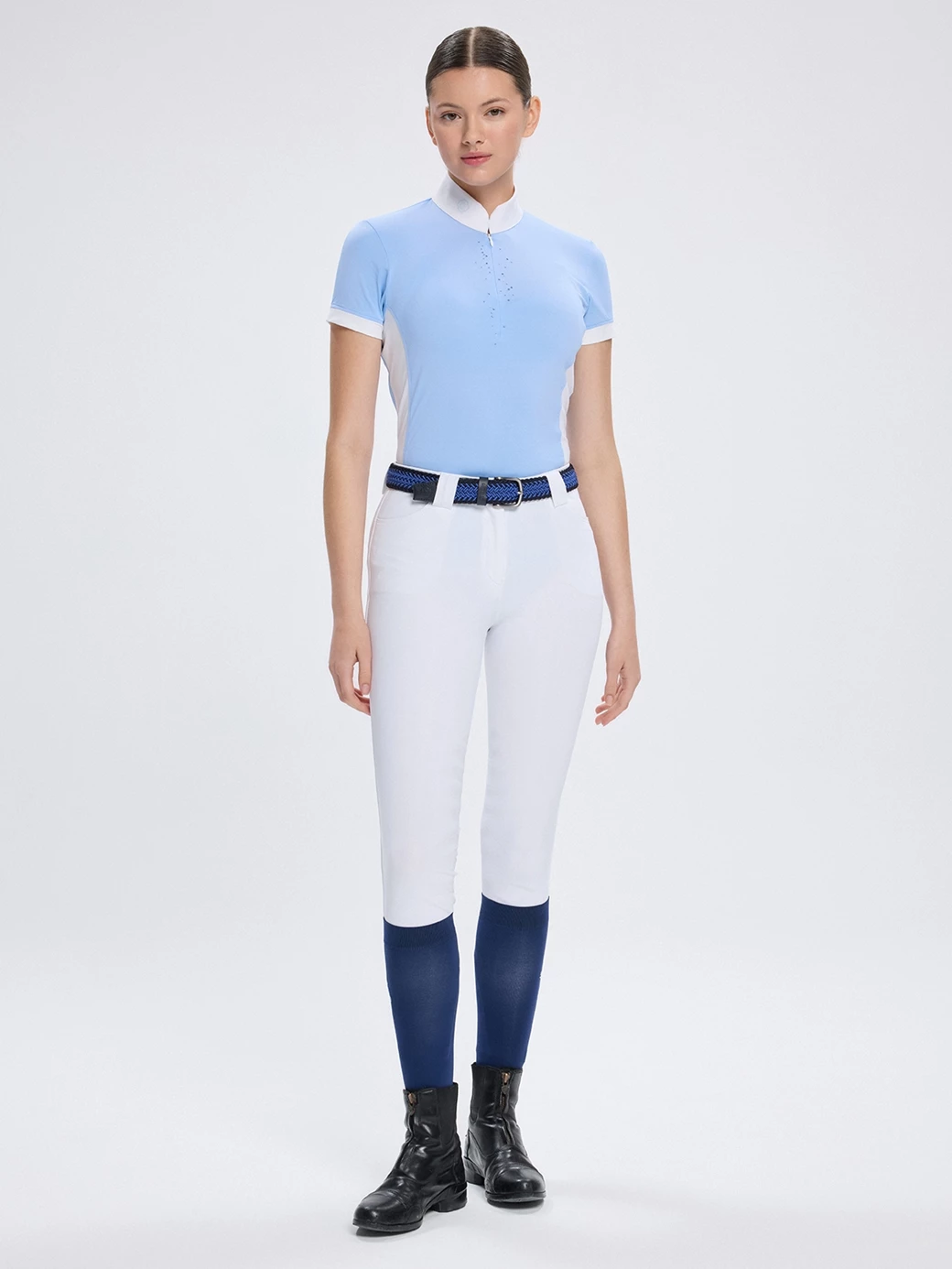
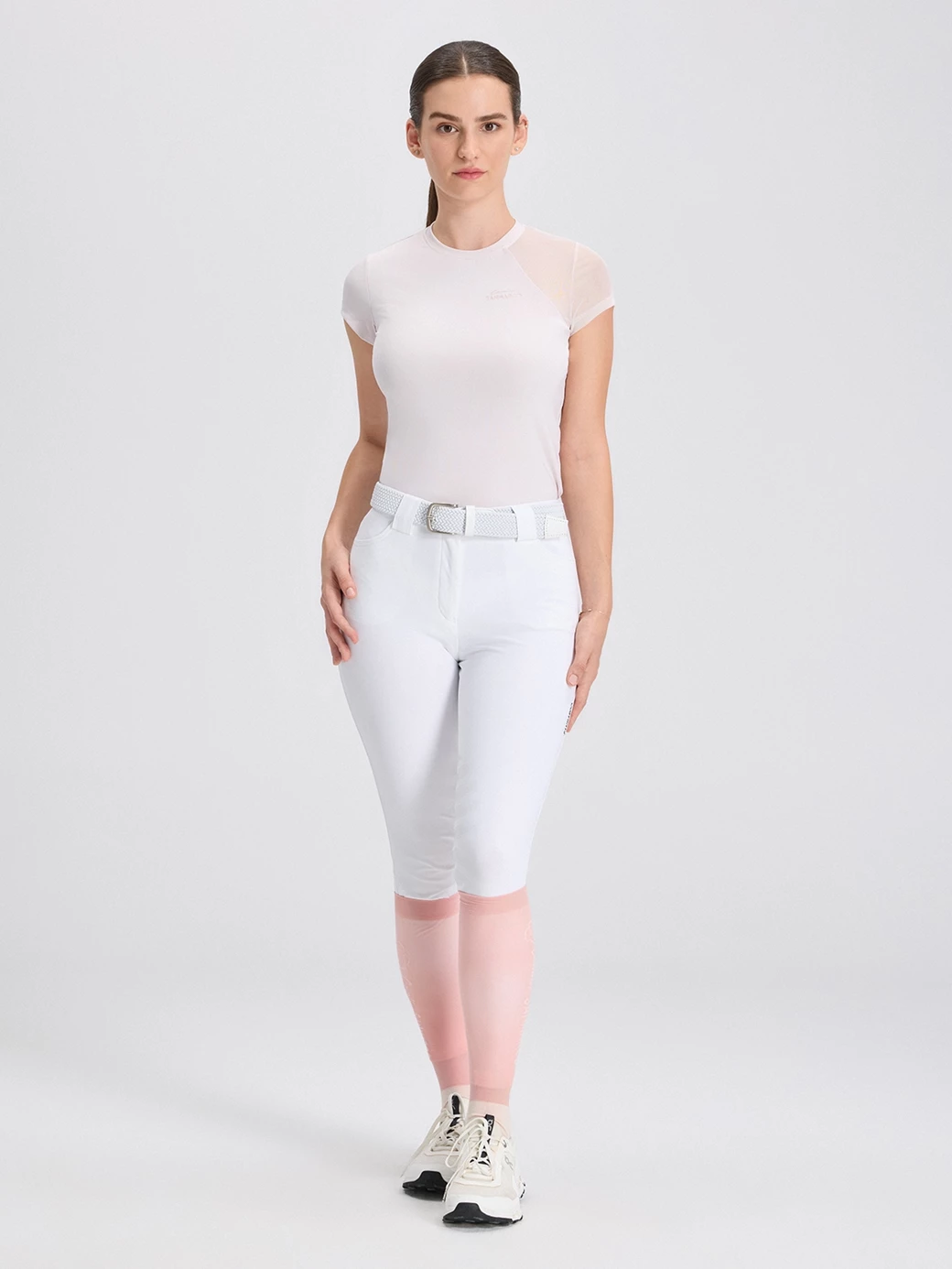
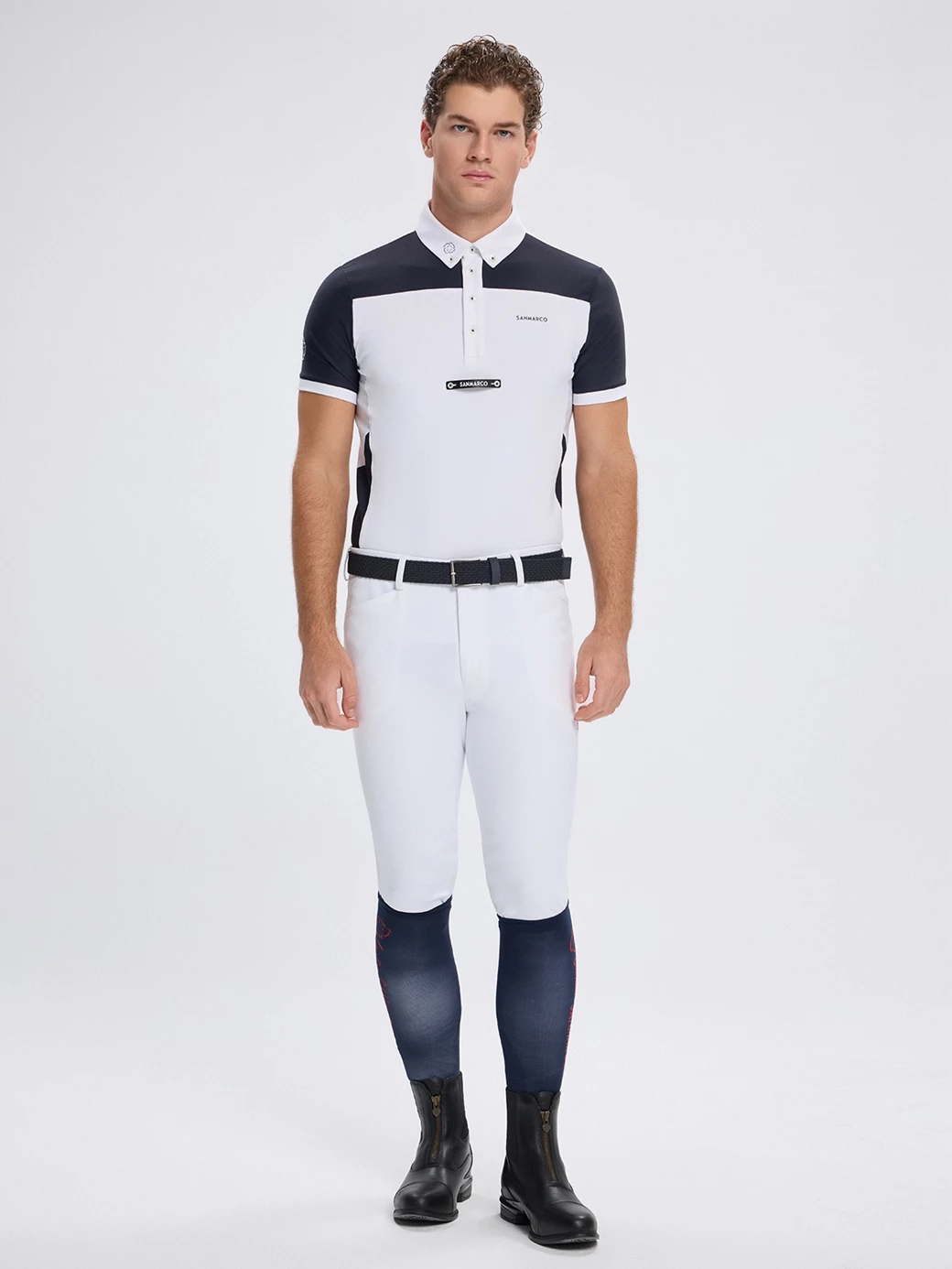
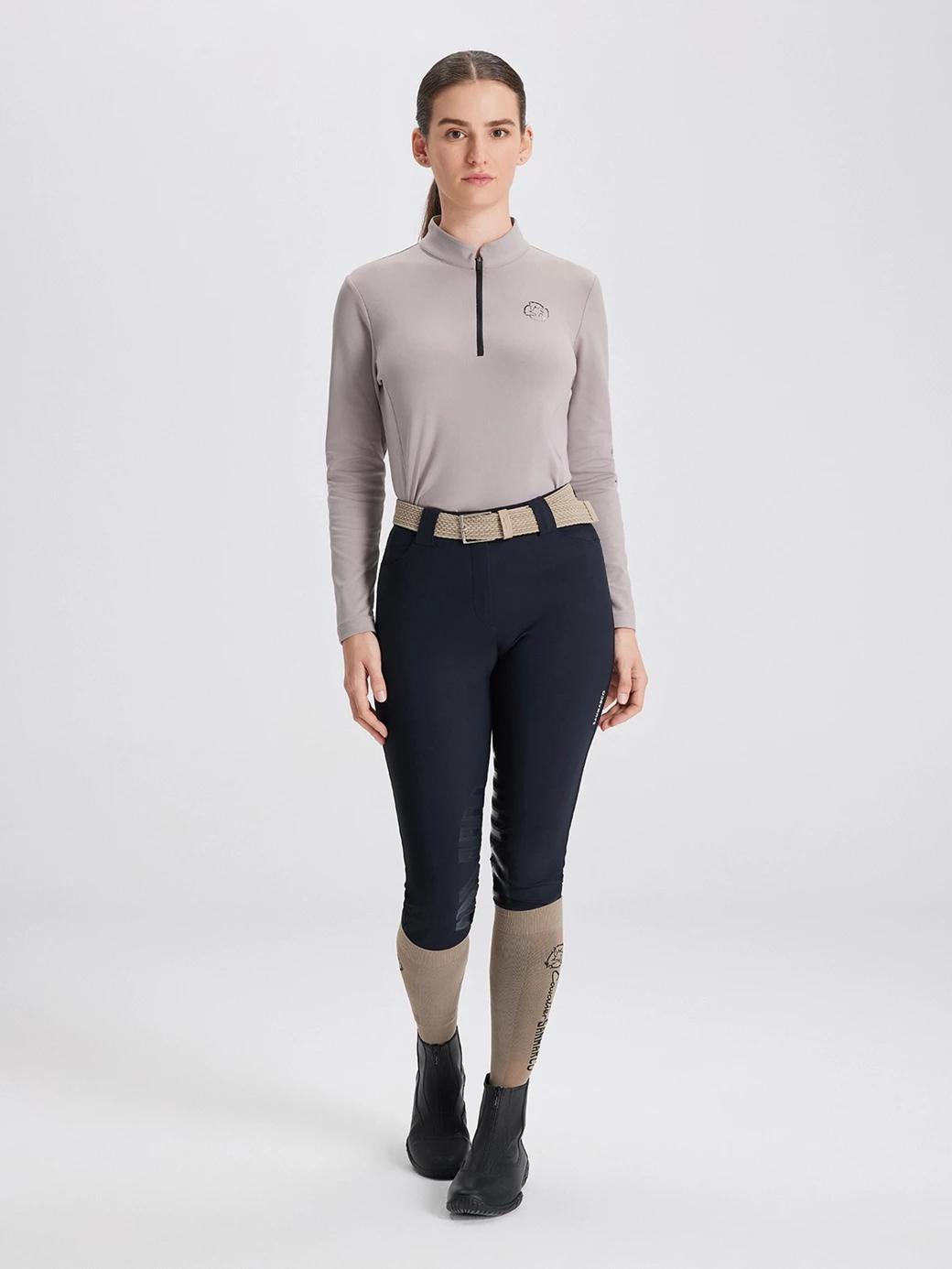
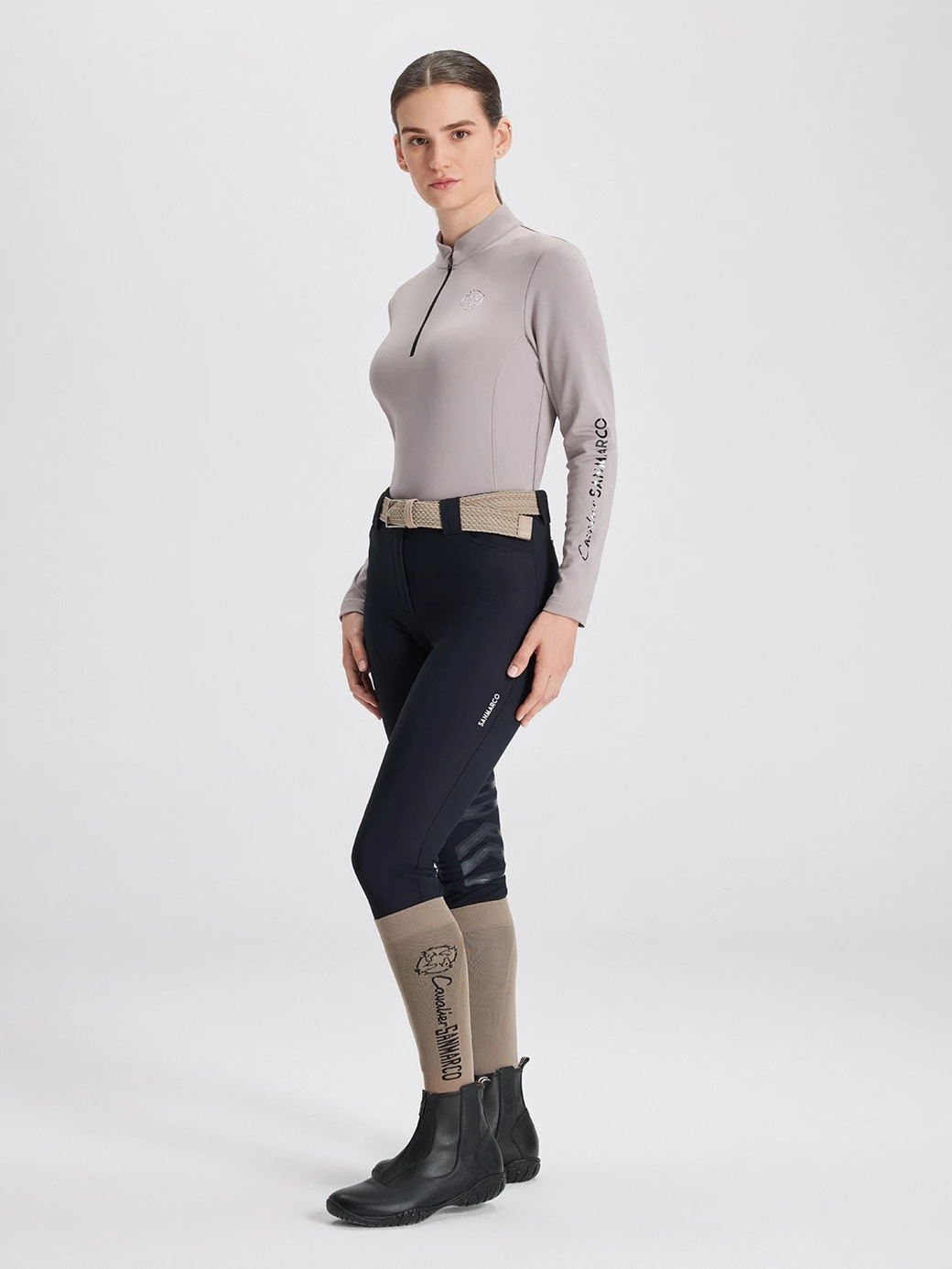
Tailored Necklines and Silhouette: A high-performance quarter-zip stand-up collar offers modular draft control zip it up to protect your throat during chilly morning hacks, or fold it down for a relaxed look in the schooling ring. To explore sculpted cuts, elegant mock collars, and breathable long-sleeve performance designs tailored for female equestrians, browse our range of womens equestrian tops. For male riders seeking athletic silhouettes, broader shoulder panels, and resilient moisture-wicking knits, discover our dedicated collection of mens equestrian tops.
Breeches in the Transition Season: Same Grip, Different Fabric Weight
As summer tights become too thin against brisk September morning winds, evaluating the fabric density of your riding breeches is a critical step in your autumn update.
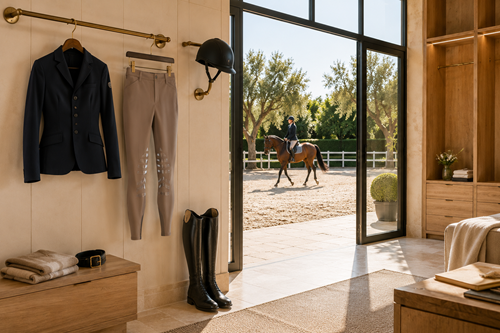
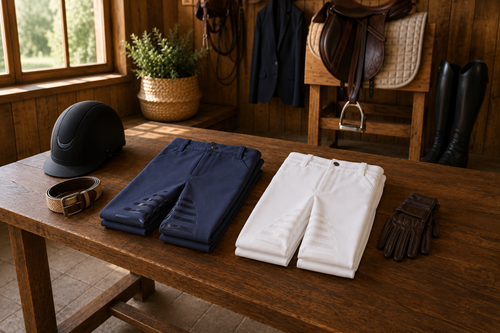
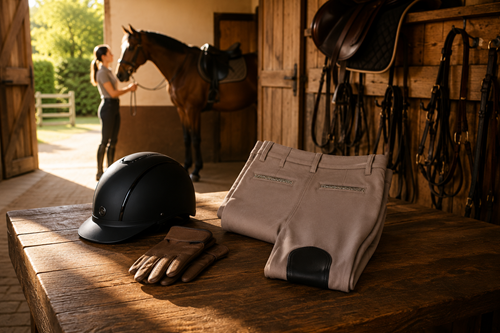
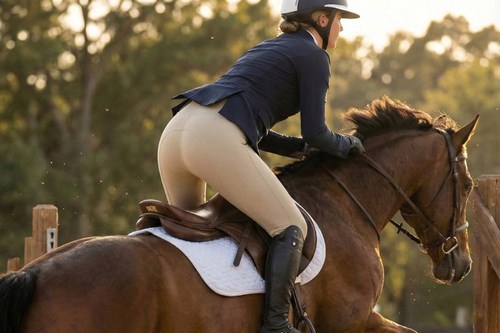
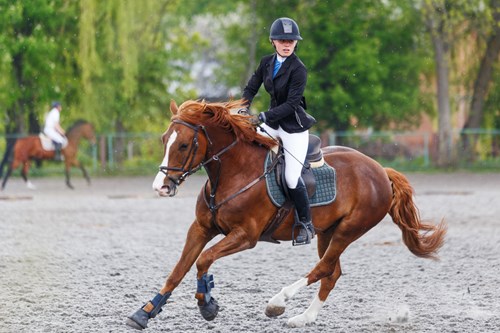
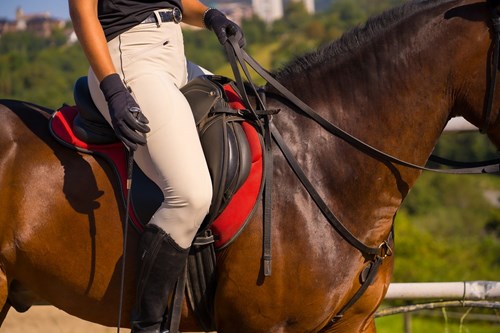
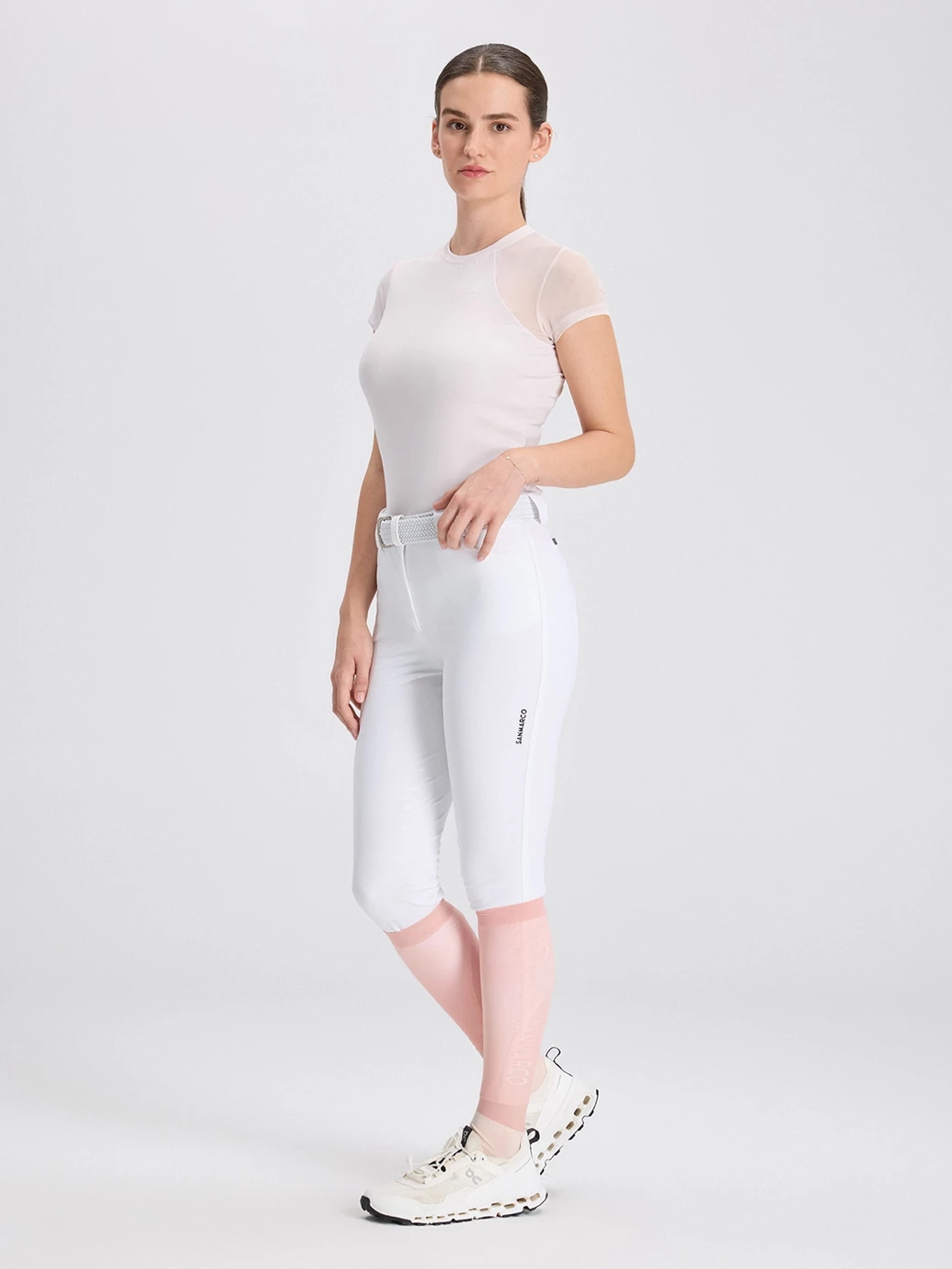
Transitioning from Summer Tights to Structured Breeches: While lightweight summer riding tights are comfortable in July, they offer little resistance to cutting winds and morning moisture. September calls for medium-weight technical breeches crafted from dual-stretch woven fabrics. These textiles provide greater muscular support, wind resistance, and durability against saddle friction, without feeling overly dense like heavy mid-winter softshells.
Silicone Grip Selection
Your grip preference should match your discipline and training goals after a break:
Full-Seat Silicone
Provides maximum friction against the leather, aiding riders rebuilding their deep seat and core security during energetic schooling rounds.
Knee-Patch Silicone
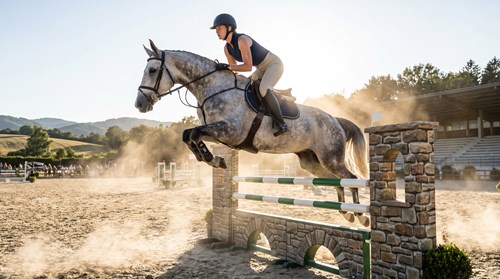
Offers freedom of the pelvis while securing the lower leg against the flap, making it ideal for jumping lines and forward seat work.
Stain-Resistant Dark Palettes: Early autumn riding introduces wet sand, arena kickback, and mud from the paddocks. Transition your wardrobe away from pale summer pastels toward rich, dirt-concealing earth tones such as olive green, deep navy, slate graphite, and rich espresso brown.
Finishing Touches: Socks, Accessories, and Stable Bag Prep
A seamless return to the saddle is completed by small, functional accessories that prevent discomfort during long barn hours.
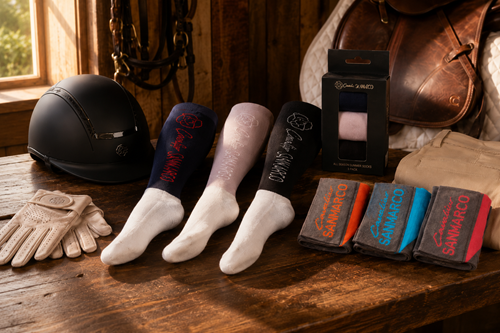
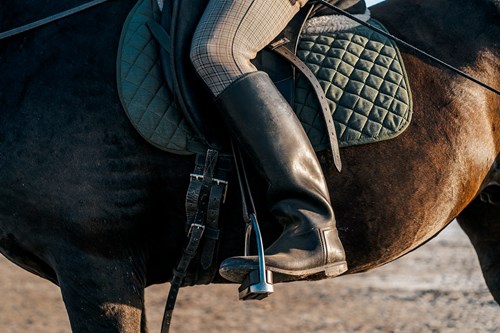
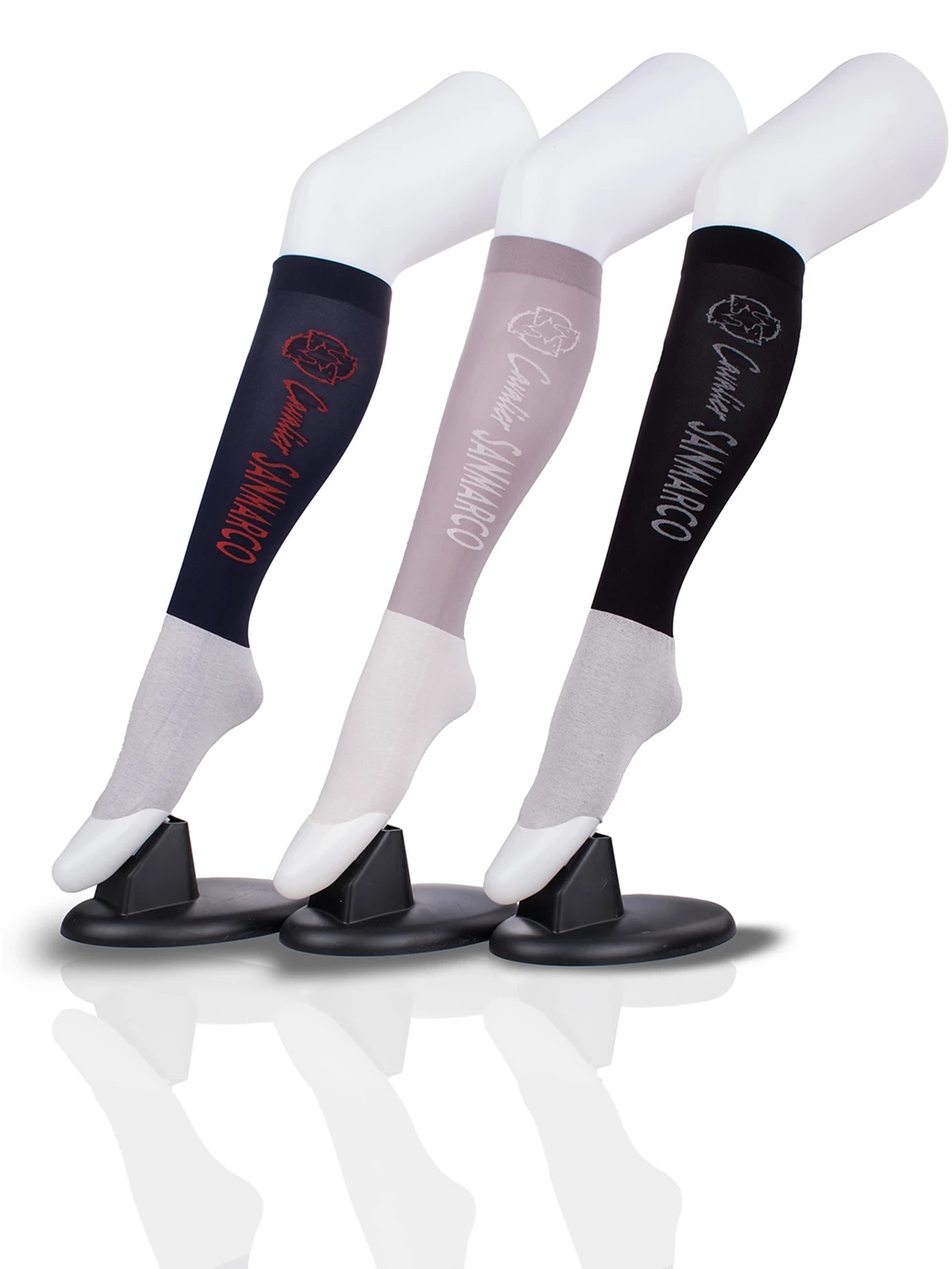
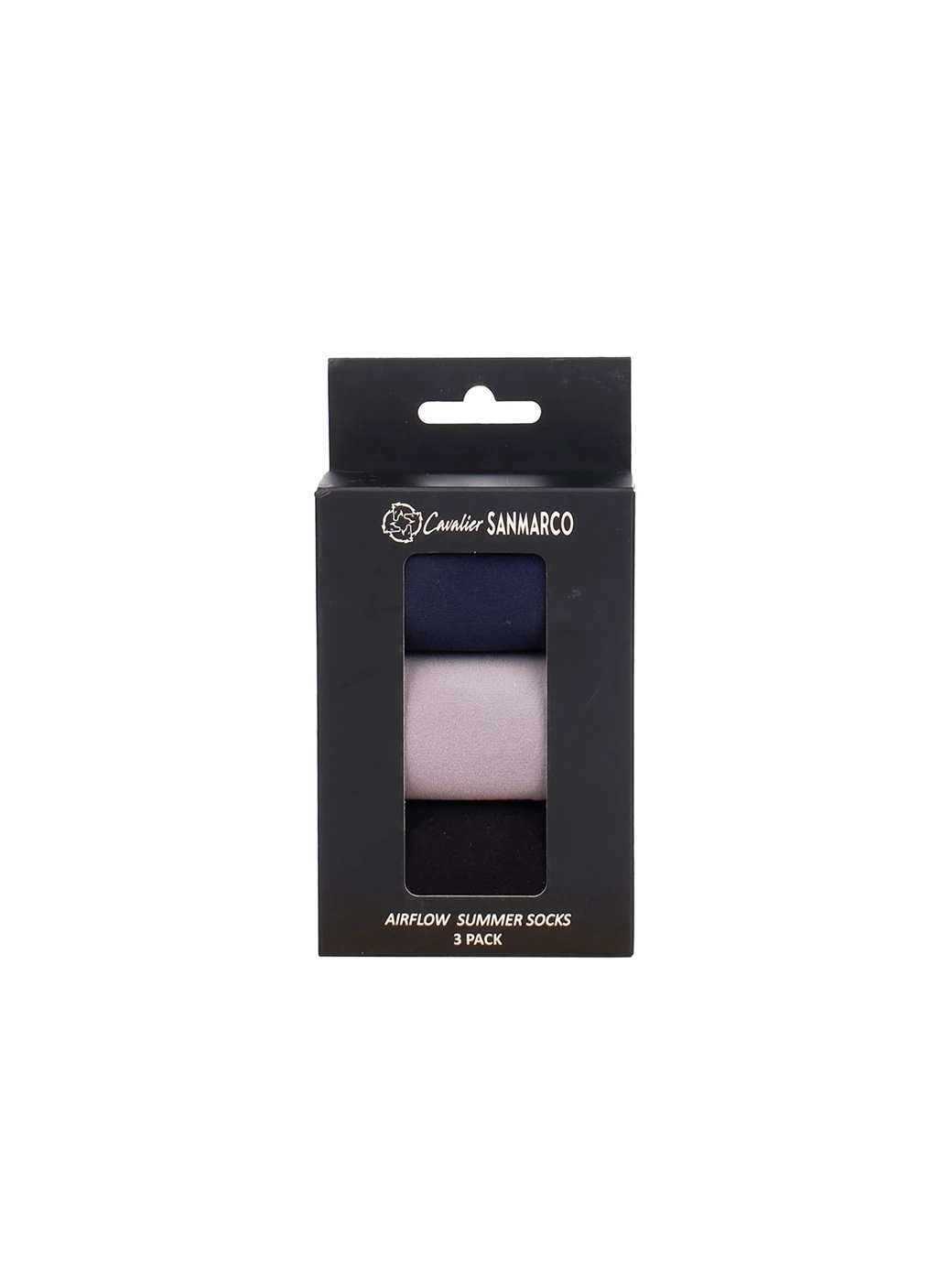
Technical Knee-High Riding Socks: Tall boots can feel snug around the calf after a break. High-performance riding socks engineered with ultra-thin nylon shafts and padded, moisture-wicking footbeds protect against heel blisters and boot friction without adding bulk inside the boot shaft. Compression arch bands prevent the sock from bunching under your toes.
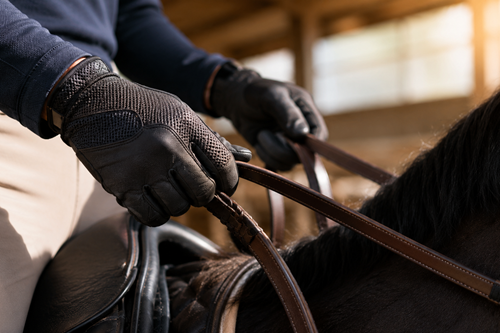
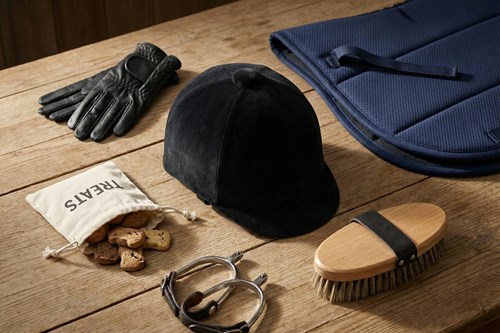
Tactile Autumn Riding Gloves: Cold, stiff fingers destroy delicate rein contact. Transition from ventilated summer mesh gloves to lightweight synthetic leather gloves with windproof backings. Ensure they offer touchscreen compatibility so you can log training notes or communicate with your trainer without exposing your hands to chilly air.
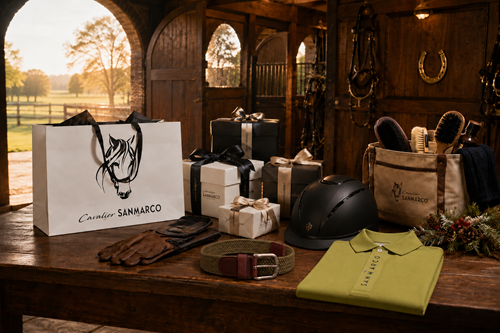
Re-Packing the Seasonal Stable Bag: Audit your stable locker and gear bag for autumn readiness. Keep a packable waterproof jacket, spare technical socks, a microfiber sweat towel, and a hydrating lip balm containing beeswax readily accessible.
Your Back-to-Riding Checklist for September
Before your next schooling session, run through this practical gear checklist to ensure you are fully prepared for the autumn term:
- 2-3 Long-Sleeve Technical Base Layers: Moisture-wicking performance tops with quarter-zip collars for daily schooling.
- 1 Lightweight Hybrid Insulated Vest (Gilet): Modular core warmth that preserves full arm and shoulder mobility.
- 2 Pairs of Mid-Weight Schooling Breeches: Dual-stretch woven fabrics in dark, mud-resistant tones with silicone grip.
- 1 Packable Technical Softshell Jacket: Two-way front zip, water-resistant coating, and windproof protection.
- 3-4 Pairs of Thin Performance Riding Socks: Moisture-managing knee-highs with arch support to prevent boot chafing.
- 1 Pair of Mid-Season Riding Gloves: Windproof backhand with grippy, tactile synthetic leather palms.
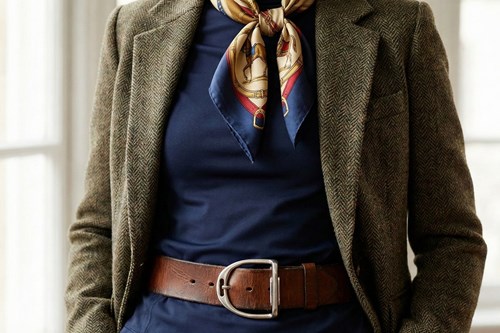
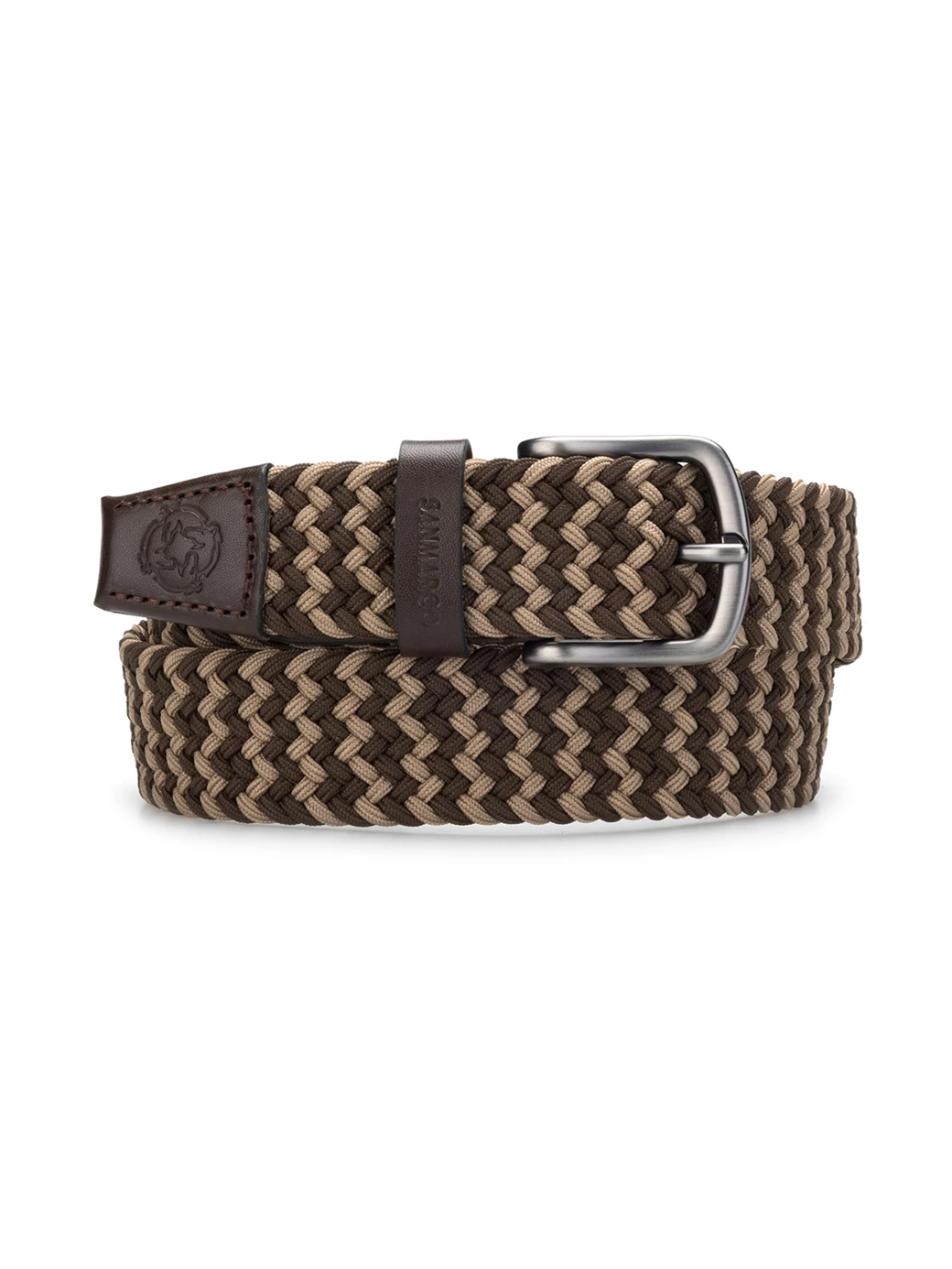
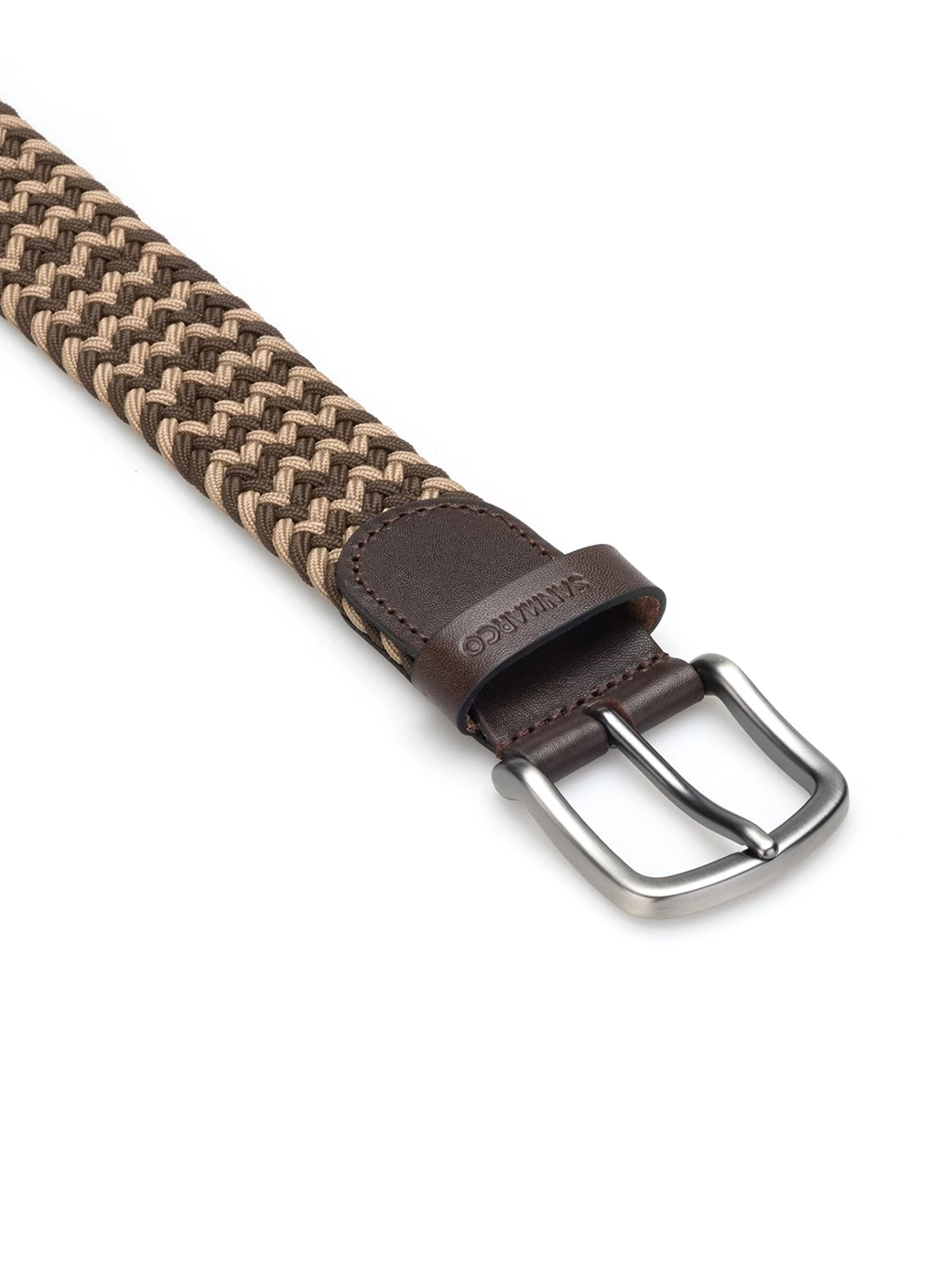
- 1 Supple Leather Belt: Secures breeches firmly at the waist, maintaining posture lines and a clean silhouette.
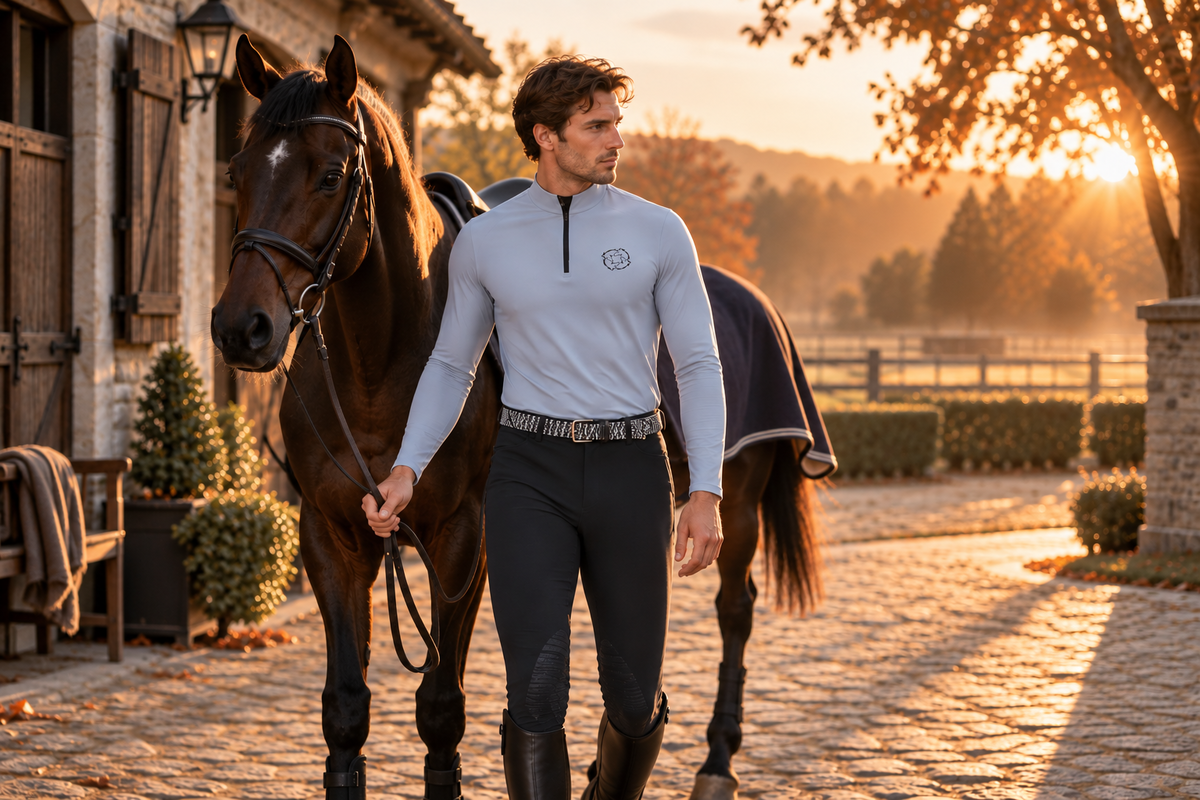
A Confident Start to the Autumn Riding Season
Stepping back into the barn after time away is an opportunity to recommit to your horsemanship, refine your technique, and build a stronger partnership with your horse. When your apparel actively manages seasonal temperature shifts, eliminates distracting chafing, and supports your posture, you can devote all your physical and mental focus to the rhythm of your ride.
As you assemble your autumn schooling kit, evaluate your individual training conditions. Are you riding under covered arenas in the brisk dawn, or schooling outdoors under variable afternoon skies? Investing in versatile, high-performance layering components ensures you meet every challenge with poise, stamina, and polished equestrian flair.
By establishing a smart, technical layering system this September, you ensure your return to the saddle is defined by athletic excellence, comfort, and enduring equestrian sophistication.
Editor’s Note: When transitioning back into regular work, hang technical garments up to air out immediately after riding rather than leaving them balled up in a damp kit bag. Washing your technical base layers promptly in cool water protects the specialized moisture-wicking channels from mineral buildup caused by sweat.